New Trail Blazers ownership faces structural spending test after playoff elimination
Following a first-round exit to the San Antonio Spurs, the franchise confronts a dilemma where extending key talent may require clearing cap space that contradicts a reported strategy of frugality on coaching and staff.
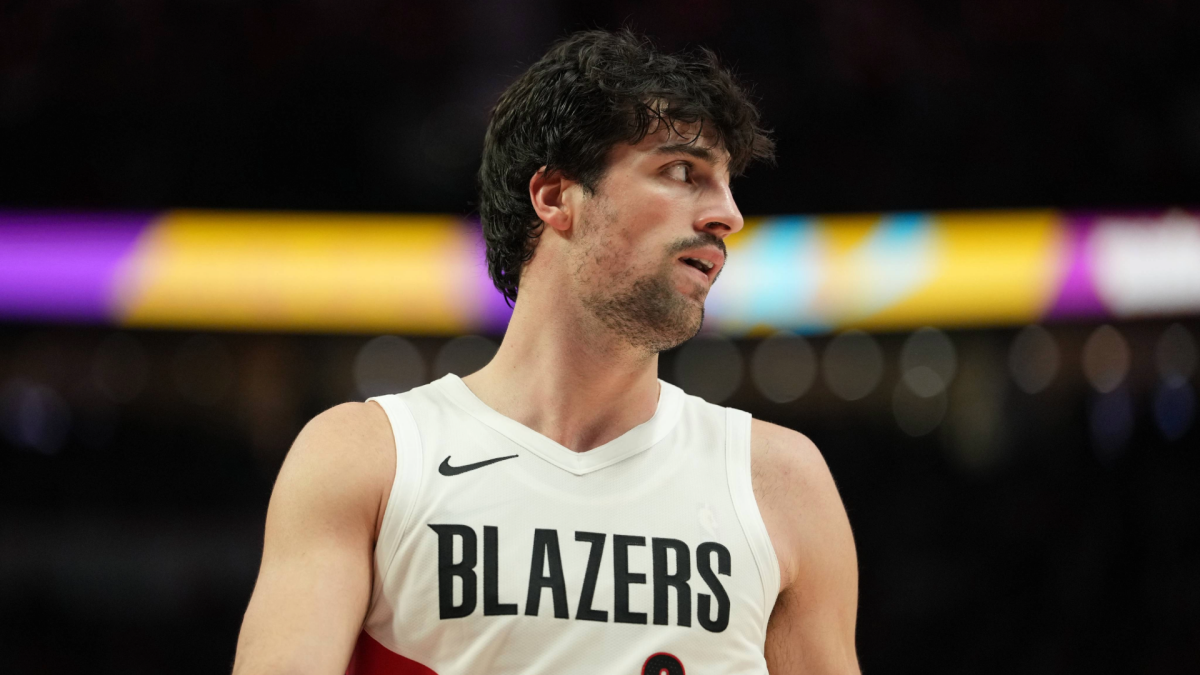
The Portland Trail Blazers have been eliminated by the San Antonio Spurs in Game 5 of the first-round NBA playoffs, ending a postseason run that highlighted the team's youth but exposed its fragility. While the roster features promising assets such as All-Star Deni Avdija and recent draft picks Scoot Henderson and Donovan Clingan, the franchise now faces a critical juncture under new owner Tom Dundon.
Dundon, whose purchase was officially approved on April 6, has reportedly adopted a financial strategy that prioritises frugality over industry norms. Reports indicate he is seeking a head coach salary between $1 million and $1.5 million, a figure significantly below standard market rates even for first-time coaches. This approach has sparked concerns regarding the potential reduction of basketball infrastructure, including the size of assistant coaching staffs and analytics departments.
The NBA salary cap limits player expenditure but does not restrict spending on coaches or support staff, meaning successful teams often gain an institutional advantage by investing heavily in these areas. Under the previous Buss family ownership, the franchise was viewed as thrifty compared to the aggressive spending model of Mark Walter's Los Angeles Lakers, a shift widely credited with making the Lakers more dangerous. Dundon's current plans appear to revert to a more conservative model, raising questions about whether the Blazers can compete with organisations that spend millions on remote advantages.
A complex financial dilemma now threatens the team's ability to retain its core talent. Henderson is eligible for a rookie extension this summer, but securing that deal may require clearing cap space. This move could simultaneously make it impossible to extend Deni Avdija's contract, which is currently well below market value and requires a cap-clearing renegotiation rather than a standard raise to remain competitive.
Speculation has also arisen regarding the future of General Manager Joe Cronin, who is credited with building the current young roster. While Dundon has initiated a search for a permanent general manager, replacing Cronin could disrupt the continuity required to manage these intricate contract situations. The uncertainty surrounding leadership and spending priorities leaves the team's path to sustainable winning precarious.
Until the decisions made by Dundon and his potential new general manager are clear, the Blazers cannot determine if they will maintain the foundation laid over the past three years. The franchise possesses the youth and future first-round picks from Milwaukee to compete, but without a willingness to invest in the necessary infrastructure and player contracts, their long-term outlook remains uncertain.