New football laws target tempo disruption for 2026-27 season
The International Football Association Board’s measures, initially trialled at the World Cup and Carabao Cup, will be deployed across English football starting with the Community Shield.
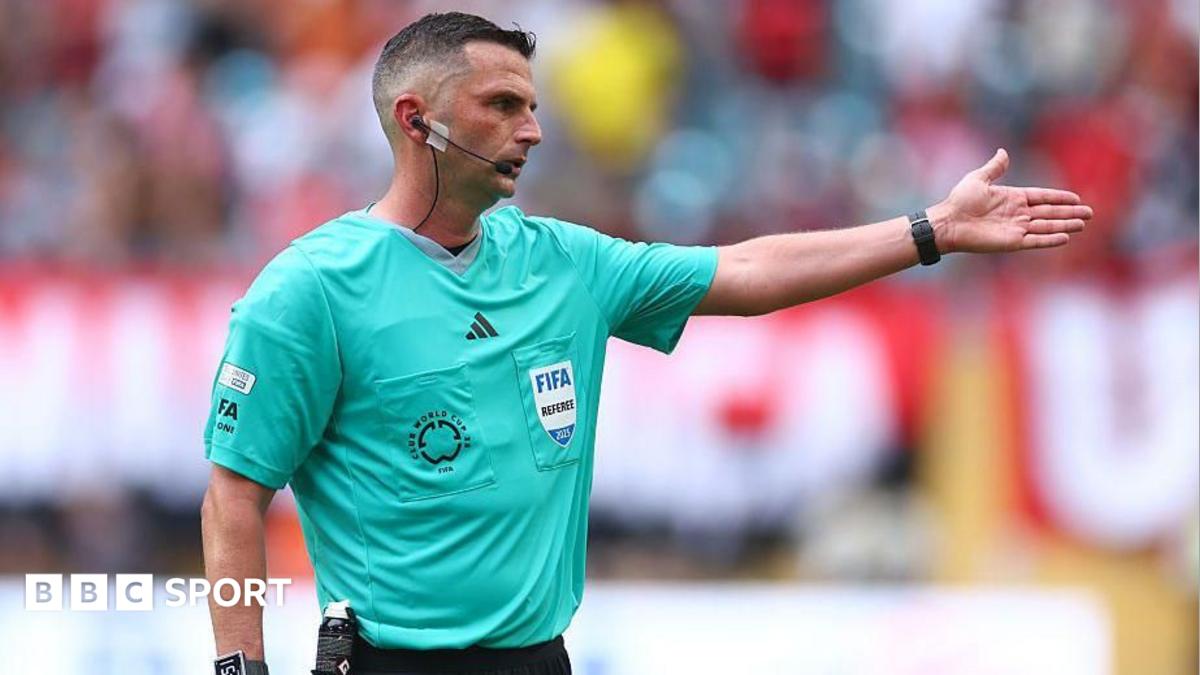
The 2026-27 football season will introduce an unprecedented suite of laws designed to reduce tempo disruption and increase the proportion of active play time. These regulations, which were first rolled out at the World Cup and experienced during the recent Carabao Cup, will be implemented across English football, beginning with the Community Shield between Arsenal and Manchester City. The changes extend from the Premier League down to Sunday league competitions, with the notable exception of the video assistant referee (VAR) system.
Central to the new framework is a five-second countdown for throw-ins and restarts. Referees will signal the start of the countdown by moving an arm up and down, and possession will be awarded to the opposition if the time limit is exceeded. This measure targets tactics that deliberately delay the restart of play, such as leaving the ball on a cone or dropping it for a teammate. Long throws are exempt from this rule as they are classified as set-piece routines.
Substitutions are subject to stricter timelines, with players required to leave the field within ten seconds. Failure to comply results in the substitute being unable to enter for one minute, forcing the team to play with ten men. Middlesbrough’s Will Lankshear became the first player penalised under this rule during a Carabao Cup tie against Wrexham, resulting in his substitute, Fin Cartwright, being held off the pitch.
Goalkeepers face new restrictions regarding tactical timeouts and goal-kicks. If a goalkeeper requests treatment, an outfield player chosen by the coach must leave the field for one minute. Additionally, goalkeepers taking excessive time for goal-kicks may concede a corner kick. Standardised rules for goal-kick handballs mean that any handball by a defender after the ball is kicked results in a penalty, while a goalkeeper’s handball results in an indirect free-kick.
VAR interventions are limited to specific scenarios, including mistaken identity and attacking fouls before the ball is in play. The system will not review simulation, incorrect corners, or red cards for players covering their mouths. These changes aim to alter player behaviour and reduce frustration among supporters, building on the World Cup trial where active play time increased to 60.43 per cent of the total match duration.