Netflix rolls out beta test of AI-powered voice search to select US subscribers
The feature allows users to make natural language requests via a dedicated remote button but is currently restricted to specific Google TV hardware and does not utilise viewing history data
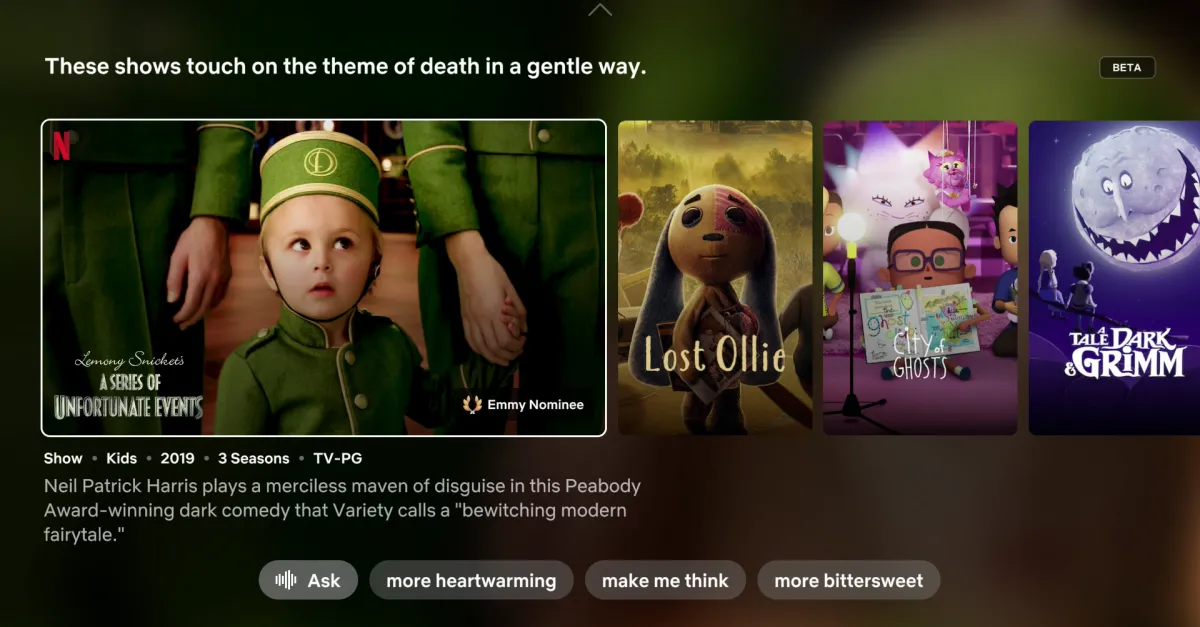
Netflix is currently conducting a limited beta test of an AI-powered native voice search feature with a select group of subscribers in the United States. The tool enables users to press a dedicated button on their remote control to make natural language requests for viewing recommendations, effectively bypassing the universal search functions built into smart TVs and streaming devices. This move highlights a continuing power struggle between streaming services and the operating system platforms that host them, as Netflix seeks to keep viewers within its own application ecosystem.
Access to the functionality is currently restricted to specific hardware, primarily operating on Google TV devices. The feature was successfully tested on a Chromecast with Google TV streaming dongle and a TCL Google TV, but it remains unavailable on Roku and Fire TV platforms. Even users who own multiple devices running the same smart TV operating system have reported inconsistent access, with the feature working on only a subset of their hardware. This patchy availability suggests the tool is still in an early stage of development and optimisation.
The system currently does not utilise Netflix's personalisation engine to inform its suggestions. When users ask for recommendations based on their recent viewing history, the app states, "We can't answer that one yet, but we're working on it!" Additionally, all responses from the AI are displayed as written text on the screen rather than being spoken aloud by the device. This text-based output distinguishes the feature from full voice assistant implementations that provide auditory feedback.
Despite these limitations, the AI has demonstrated the ability to handle esoteric requests, such as finding shows based on specific music artists like Brian Eno or thematic prompts. However, the system has shown clear boundaries in processing specific queries. For instance, when asked for "Blaxploitation" movies, the voice recognition system misheard the term as "Black exploitation" and declined to provide results, whereas similar but non-offensive terms like "steamy TV shows" were handled without issue.
Narrowing search results via suggested buttons has occasionally led to inaccurate recommendations. In one instance, a search for Cantonese comedies yielded relevant results, but following a suggestion to narrow those results by pressing the "more quirky" button led the streamer to suggest BoJack Horseman as a Cantonese comedy. Such inconsistencies indicate that while the technology is impressive, it is not yet perfect in handling complex filtering instructions.
The feature includes an "Ask" button with a waveform icon that triggers the AI, alongside pre-set suggestions such as "I need a good cry" or "watch in the background." This approach allows Netflix to offer a more direct and branded experience compared to the universal search interfaces typically found on smart TVs, which often intermix content from various publishers. By controlling the voice routing, Netflix aims to prevent users from being diverted to other services or the TV manufacturer's own ecosystem.
