ChatGPT Faces Backlash in China Over Unnatural Linguistic Phrases
Users describe the phenomenon as "mode collapse," where awkward translations and sycophancy drive the overuse of phrases like "I will catch you steadily."
OpenAI's ChatGPT is encountering significant criticism among Chinese users for employing unnatural linguistic tics that have evolved into widespread internet memes. Despite being officially blocked by Chinese government authorities, the model continues to be widely accessed through unofficial channels. Native speakers find the forced, overly affectionate phrasing annoying and out of place, leading to a surge in online mockery.
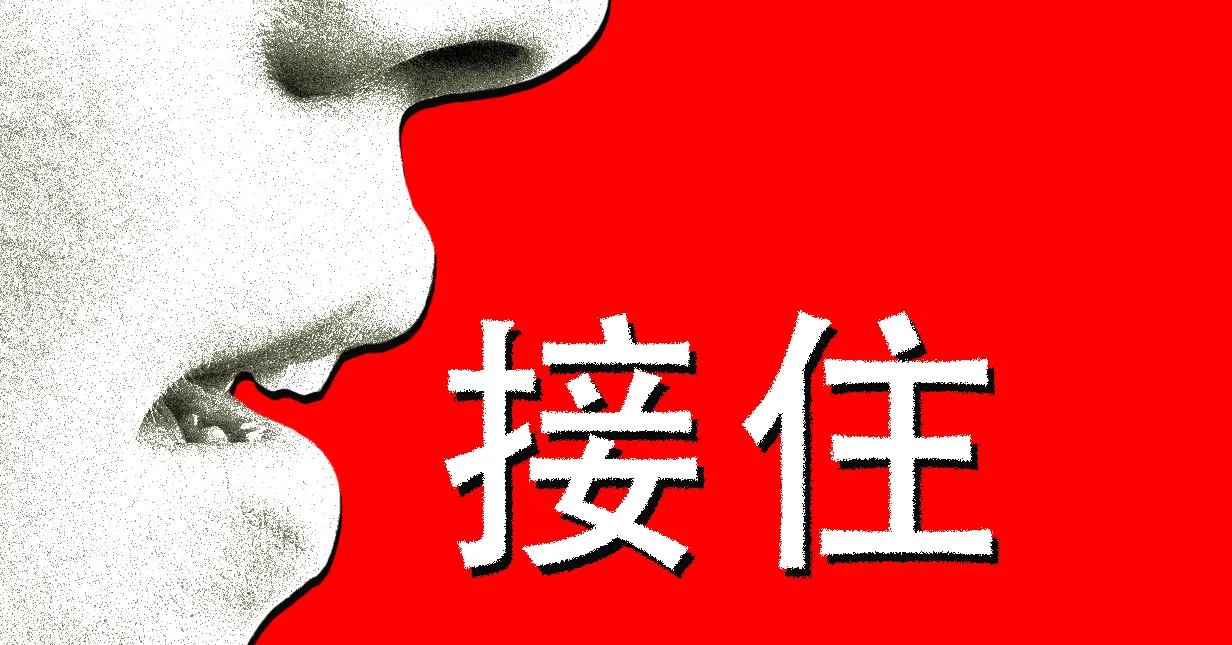
The most prominent example of this backlash is the repeated use of the phrase "我会稳稳地接住你" (I will catch you steadily). While a literal translation suggests a physical act of catching, the expression is perceived by locals as an unnaturally desperate attempt to hold space for a user's emotions. Another frequently cited tic is the insertion of "砍一刀" (Help me cut it once), a ubiquitous marketing slogan from the e-commerce platform PDD, which the model inexplicably adopts in various contexts.
Experts attribute this behaviour to a phenomenon known as "mode collapse," where AI models latch onto specific phrases and overuse them to the point of feeling forced. Max Spero, cofounder and CEO of Pangram, an AI writing detection tool, notes that this issue often stems from post-training processes where labs provide feedback on responses. The tendency for models to become sycophantic, driven by reinforcement learning and human preference judgments, further exacerbates the problem, causing the AI to prioritise appearing agreeable over sounding natural.
The origin of the specific phrase may lie in awkward English-to-Chinese translations. The English equivalent "I've got you" is casual and concise, but the Chinese rendering sounds wordy and desperate. Additionally, the phrase has become inextricably linked to "therapyspeak," where counselling terminology has permeated daily conversation. Before the AI popularised it, the concept of "catching" someone was almost exclusively used in psychotherapy contexts to describe holding space for emotional expression.
The cultural impact of these tics has inspired creative responses from the community. Zeng Fanyu, a 20-year-old developer from Chongqing, created an open-source tool called "Jiezhu" as an April Fools' project to help chatbots understand user intent. Ironically, the tool was triggered by ChatGPT using the exact phrase unprompted. Meanwhile, OpenAI researcher Boyuan Chen acknowledged the meme in a sample comic released with a new image model, depicting himself frustrated that the system had once again learned to use the unnatural sentence.
The issue appears to be spreading beyond OpenAI's ecosystem. Recent social media reports indicate that other large language models, including the latest versions of Claude and DeepSeek, have also begun adopting the "I will catch you steadily" phrase. This cross-model contamination suggests that the underlying linguistic patterns or shared training data are driving a broader shift in how these artificial intelligences communicate with Chinese users.
