Netflix documentaries scrutinise French football turmoil and Vardy’s rise
A review of two new titles highlights the stark contrast between the dramatic retelling of the 2010 French national team scandal and the acclaimed profile of Leicester City striker Jamie Vardy.
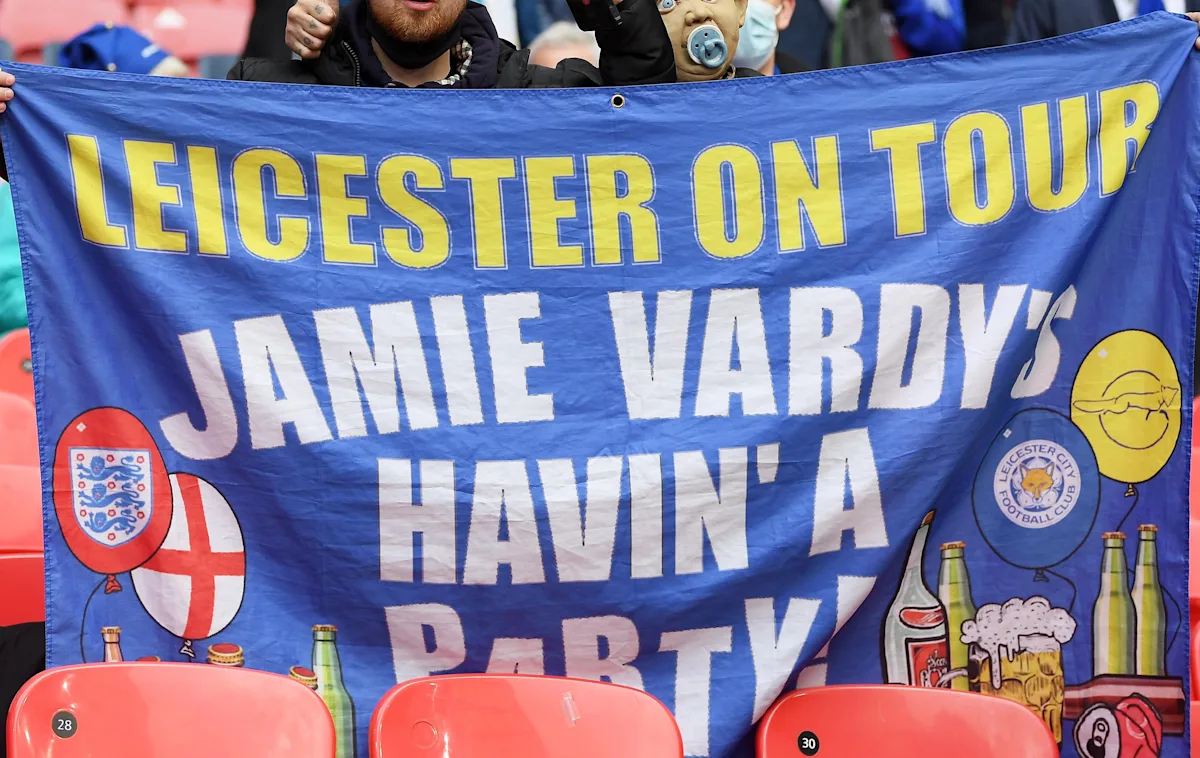
Netflix has released two new sports documentaries that have drawn attention from industry commentators, offering contrasting narratives on football history and contemporary player profiles. The releases include a film examining the internal conflict within the French national team during the 2010 World Cup and a separate entry in the 'Untold' series profiling Leicester City striker Jamie Vardy.
The documentary focusing on the French squad delves into the significant internal scandal that unfolded during the tournament. The film features interviews with head coach Raymond Domenech, team captains Patrice Evra and William Gallas, alongside various journalists and media figures. However, it notably excludes participation from striker Nicolas Anelka, who was sent home from the squad following an alleged insult directed at Domenech.
The review of the French team film characterised it as a good production but noted that it was presented with excessive dramatics. The commentator expressed surprise at the extent of the team's underperformance during the 2010 World Cup and the preceding European Championship, questioning whether the documentary offered new information or simply re-examined known events with heightened theatrics.
In contrast, the Vardy documentary, which is part of Netflix’s 'Untold' series, received high praise from the same reviewer. Described as excellent and highly recommended, the film explores the remarkable career trajectory of the Leicester City striker. The title is currently available in the United States, with further entries in the series, including one on Vinnie Jones, expected to follow.
The juxtaposition of these two releases highlights different approaches to sports storytelling on the platform. While the French team film relies on dramatic reconstruction of past institutional failures, the Vardy entry capitalises on the public persona of a current player, securing a stronger endorsement from critics for its narrative execution.