Netanyahu orders escalation against Hizbollah amid US-Iran deal fears
Financial Times reports that political pressure from within Israel’s governing bloc has accelerated military operations, with officials citing concerns that a potential peace agreement between Washington and Tehran could limit Israel’s regional autonomy.
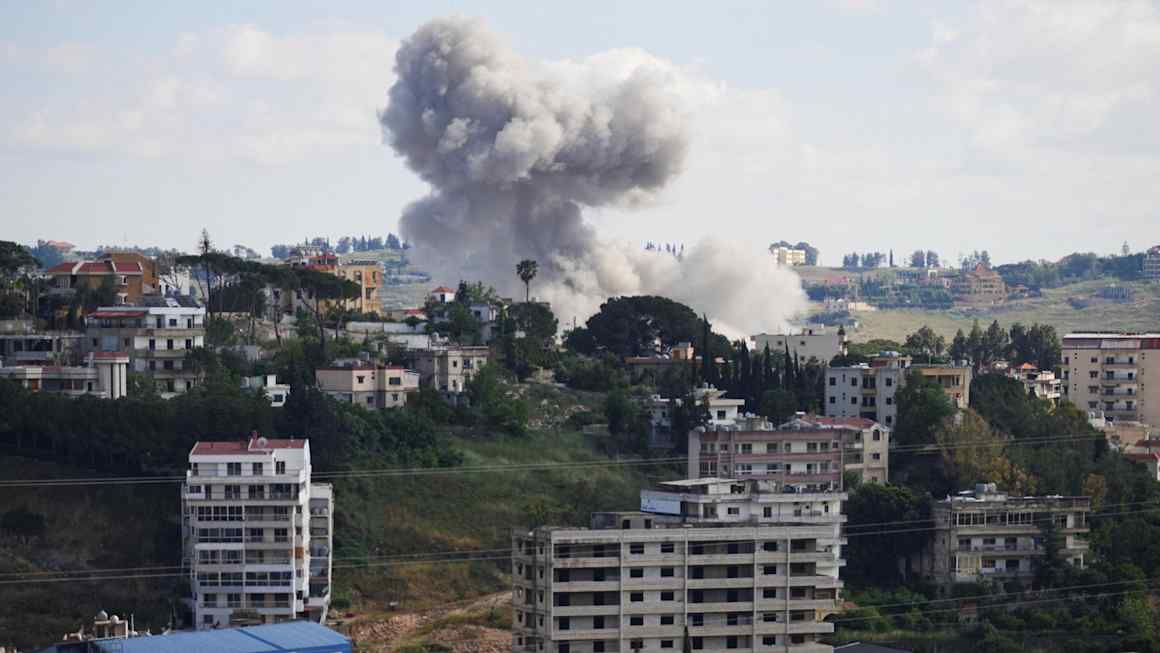
Israeli Prime Minister Benjamin Netanyahu has directed the military to intensify attacks on Hizbollah, a move driven by pressure from far-right officials within the government who fear a potential peace deal between the United States and Iran could constrain Israel’s strategic options.
According to the Financial Times, the directive follows calls from these officials for a “high-intensity” campaign in Lebanon. They argue that escalating military pressure is necessary to prevent a diplomatic resolution between Washington and Tehran that might limit Israel’s ability to act independently in the region.
The concern among these hardline figures is that a US-Iran agreement could effectively rein in Israel’s military posture, reducing its leverage against Iranian-backed proxies. By ordering an escalation, Netanyahu appears to be responding to this internal political dynamic, prioritising a robust military stance over potential diplomatic off-ramps that might emerge from broader Middle East negotiations.
While the specific operational parameters of the “high-intensity” campaign have not been defined, the order signals a significant shift in the intensity of hostilities along Israel’s northern border. The move underscores the complex interplay between domestic political pressures in Israel and broader geopolitical shifts involving the United States and Iran.
The escalation occurs against a backdrop of heightened regional tension, with the United States and China also engaged in high-level talks in Beijing. Although the US-China summit is addressing trade and artificial intelligence issues, the underlying geopolitical landscape remains fragile, with the potential for a US-Iran deal serving as a key variable in regional stability calculations.
Investors and analysts are monitoring the situation closely, as any broadening of the conflict could impact regional security and, by extension, global energy markets and risk sentiment. The interplay between military escalation and diplomatic manoeuvring will likely remain a central theme in the region’s outlook in the coming weeks.