Netanyahu-Hizbullah Conflict Complicates US-Iran Negotiations
The Economist reports that Prime Minister Binyamin Netanyahu’s ongoing conflict with Hizbullah is creating significant hurdles for President Donald Trump’s negotiations with Iran, even as US markets react positively to recent trade developments in Beijing.
According to reporting by The Economist, the diplomatic landscape surrounding US-Iran negotiations has been complicated by the persistent conflict between Israeli Prime Minister Binyamin Netanyahu and the militant group Hizbullah in Lebanon. The publication frames the situation by questioning whether President Donald Trump can effectively manage the regional instability, suggesting that the Israeli leader’s actions are creating external pressures on American foreign policy objectives.
The core complication arises from the active hostilities in Lebanon, which are occurring simultaneously with high-level diplomatic engagements involving Iran. The ongoing friction between Netanyahu and Hizbullah is cited as a factor that is complicating the president’s talks with Tehran, indicating that regional security dynamics are directly influencing broader geopolitical negotiations.
These diplomatic challenges unfold against a backdrop of significant economic and political activity between the United States and China. President Trump and Chinese President Xi Jinping recently concluded a two-day summit in Beijing, where discussions centred on trade relations, artificial intelligence, and the tensions surrounding Iran. The summit highlighted the interconnected nature of global markets and foreign policy, with Iran serving as a common thread in both the Middle Eastern conflict and the US-China dialogue.
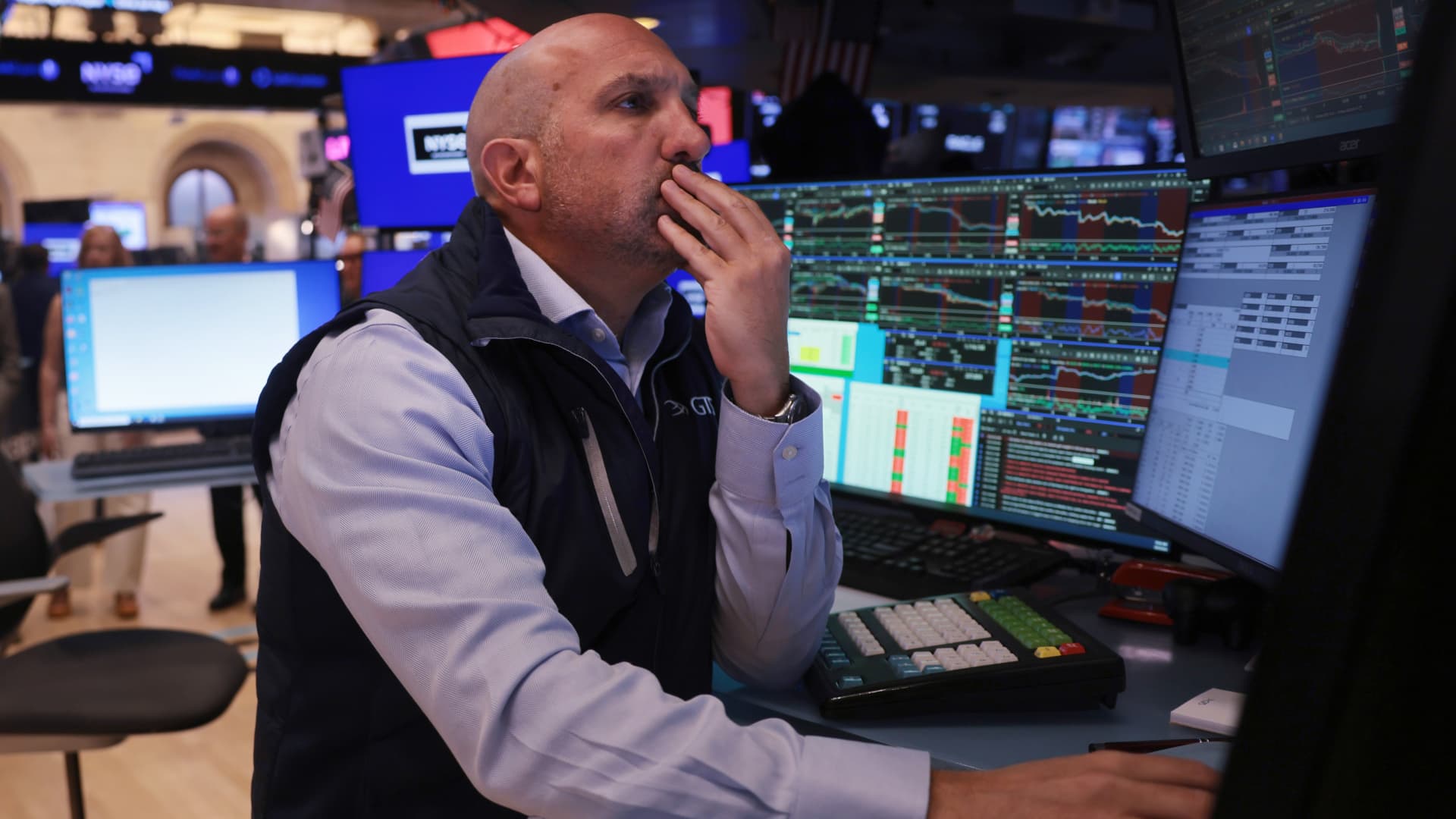
Financial markets responded positively to the developments in Beijing. During the summit, US stock indices posted gains, with the Dow Jones Industrial Average rising 0.8 per cent, the S&P 500 increasing by 0.3 per cent, and the Nasdaq Composite climbing 0.2 per cent. The positive market sentiment was further bolstered by corporate news, specifically regarding semiconductor exports.
Nvidia shares surged by more than 2 per cent following confirmation that the United States had approved the sale of H200 chips to Chinese firms. This regulatory approval contributed to the broader market rally during the summit period, underscoring the economic dimensions of the trade discussions held in the Chinese capital.
Despite the positive market reaction to the trade announcements, the geopolitical risks remain prominent. The source material notes that the conflict in Lebanon is not merely a regional issue but one that has tangible implications for US diplomatic efforts regarding Iran. The analysis suggests that the president’s ability to advance negotiations may be constrained by the actions of his Israeli counterpart.
The situation highlights the complex interplay between military conflict and diplomatic negotiation. While economic indicators showed strength during the Beijing summit, the security situation in the Middle East continues to pose challenges for the administration’s broader strategic goals in the region.