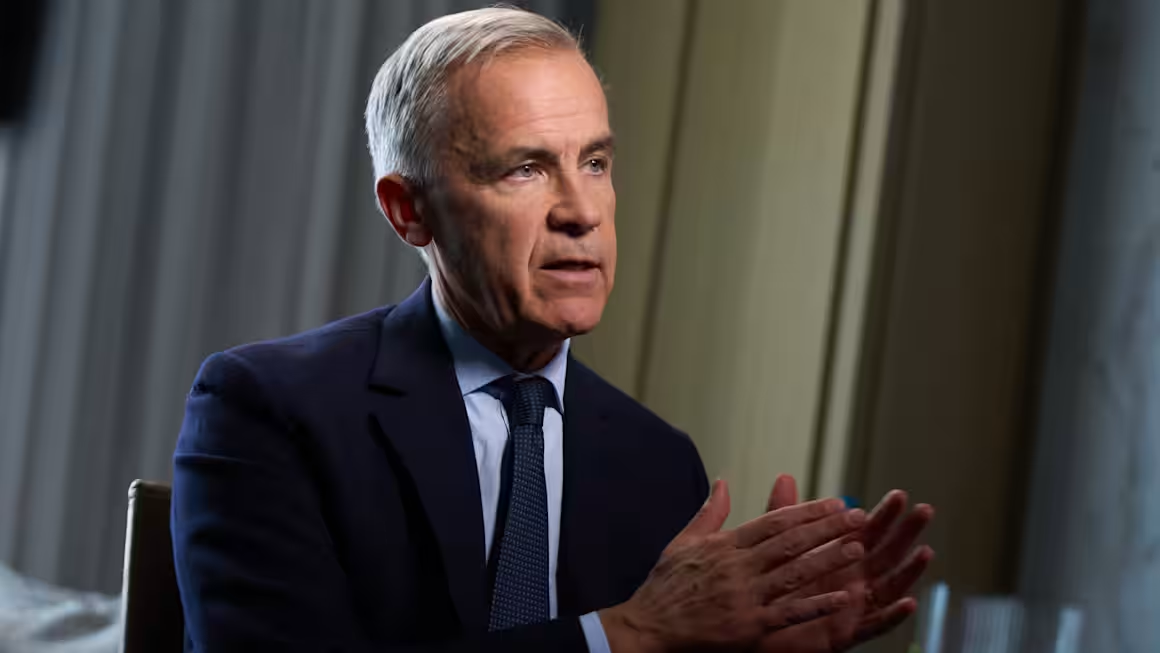
Netanyahu faces domestic backlash after yielding to Trump on Hezbollah
The decision to stand down from a stated military strike has triggered political fallout within Israel, underscoring the complexities of US-Israel defence coordination amid broader geopolitical tensions.
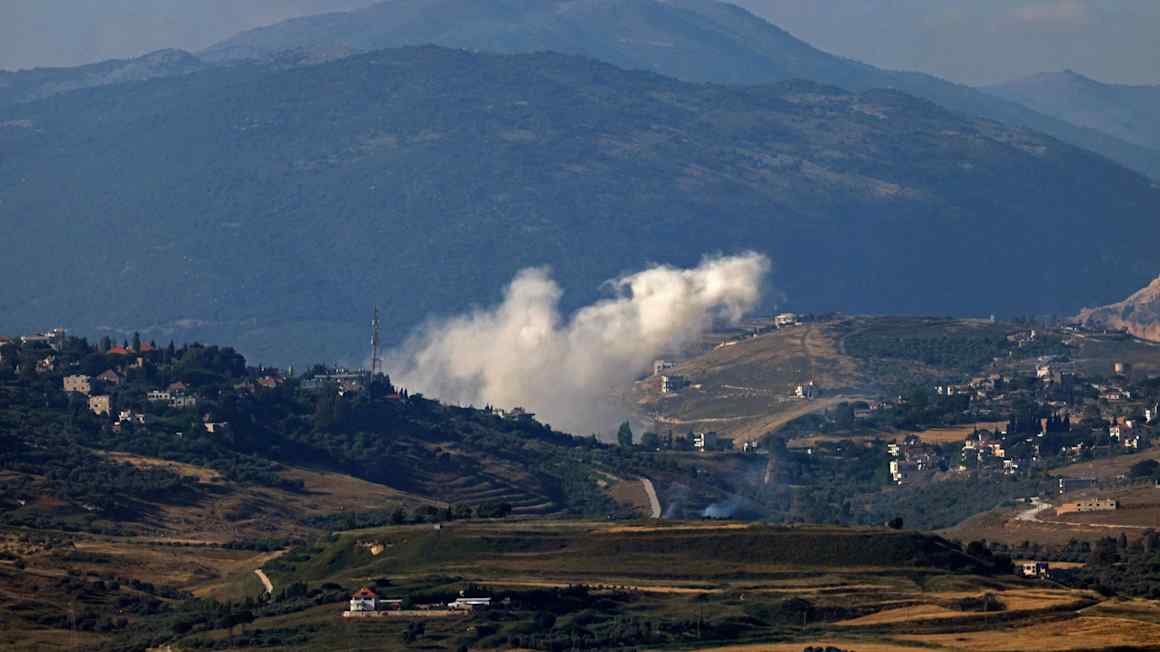
Israeli Prime Minister Benjamin Netanyahu has encountered significant domestic backlash for failing to execute a previously stated threat to bomb Hezbollah, following direct pressure from US President Donald Trump. According to the Financial Times, the prime minister’s decision to stand down from the military action came after a telephone conversation with the US president, highlighting the intense diplomatic leverage Washington exerts over Israeli security policy.
The incident centres on Netanyahu’s failure to follow through on a specific military threat against the Lebanon-based group. While the source material confirms that domestic political fallout has ensued, it does not specify the particular factions or individuals within Israel who have voiced opposition, nor does it detail the precise nature of the arguments or demands presented by President Trump during their call.
This development occurs against a backdrop of heightened global activity. Concurrently, President Trump is engaged in a summit in Beijing with Chinese President Xi Jinping, focusing on trade, artificial intelligence, and Iran tensions. The diplomatic日程 has been marked by market movements, with US stock indices rising as the summit began, and Nvidia shares surging following US regulatory approvals.
Further complicating the security landscape in the United States, federal investigators have confirmed that a gunman intended to assassinate President Trump at a recent press gala. A joint probe by the FBI and a terrorism task-force is underway, leading to increased scrutiny of security protocols at White House events. President Trump has assured foreign dignitaries, including King Charles, that his safety remains secure and that scheduled state visits will proceed.
The convergence of these events underscores the multifaceted challenges facing the US administration. While domestic security concerns and major trade negotiations occupy immediate attention, the diplomatic pressure exerted on Israel regarding Hezbollah illustrates the persistent and often contentious nature of transatlantic defence coordination. The specific details regarding the extent of the backlash within Israel remain to be fully elucidated in subsequent reporting.