Nectar Social secures $30 million Series A to expand AI-driven marketing platform
The agentic operating system, which counts Liquid Death and Figma among its clients, will deploy funds toward applied AI and engineering growth.
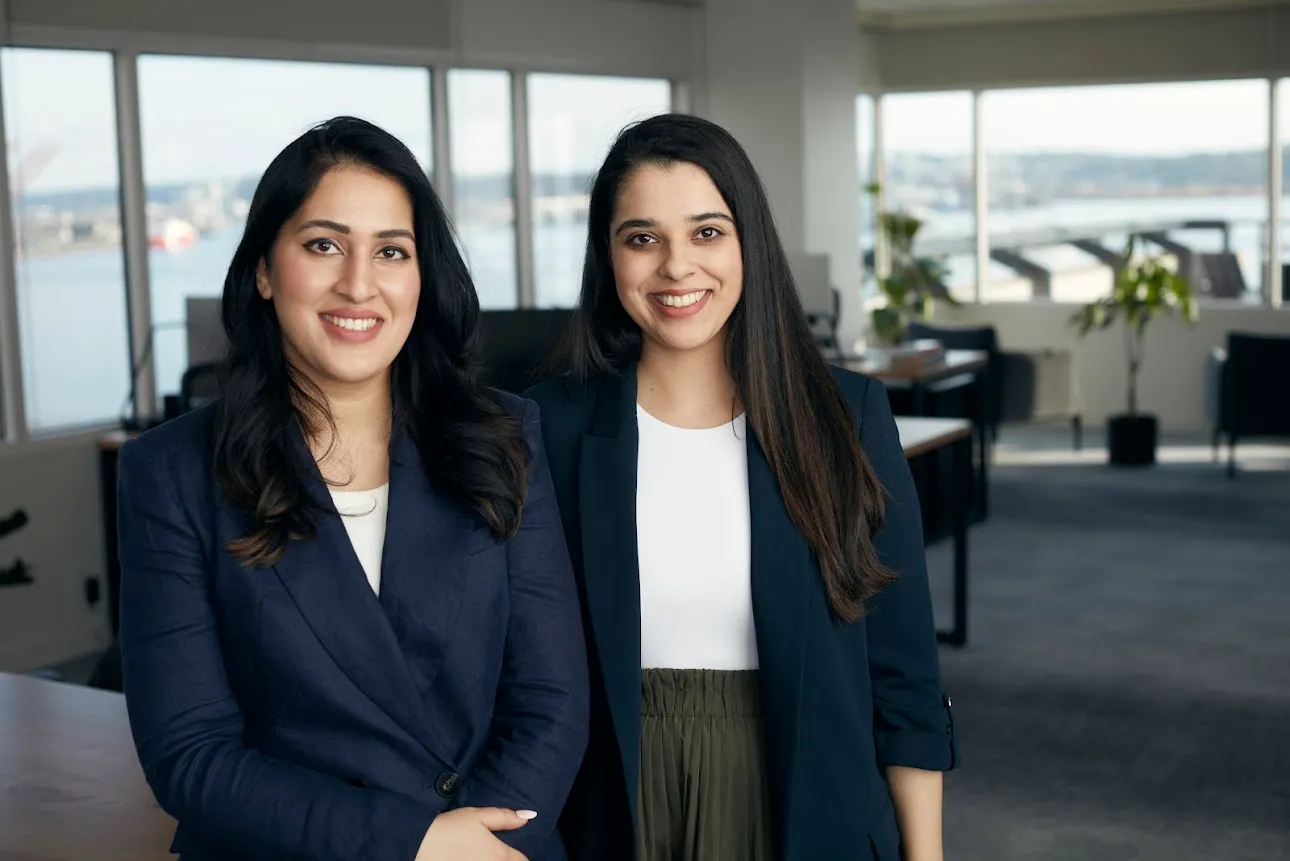
Nectar Social has closed a $30 million Series A funding round led by Menlo Ventures and its Anthology Fund, a vehicle established in partnership with artificial intelligence research company Anthropic. The investment round also saw participation from Kinship Ventures, GV, and True Ventures, marking a significant capital injection for the marketing technology firm as it scales its autonomous agent infrastructure.
Founded by sisters Misbah and Farah Uraizee, both former employees of Meta, the company operates as an agentic operating system designed to manage end-to-end social media activities. By utilising autonomous AI agents, Nectar Social enables brands to handle social activity, moderation, creator workflows, competitive intelligence, and commerce conversations without the need for disparate tools across different platforms.
The company has established data partnerships with major social networks Meta and Reddit, allowing its agents to aggregate and pool data from various sources into a single location. This integration addresses a key operational challenge for marketers, as CEO Misbah Uraizee noted that the buying conversation has shifted into social channels where human teams cannot feasibly staff every interaction point.
Uraizee stated that the fresh capital will be directed toward expanding the company’s capabilities in applied AI, engineering, and go-to-market functions. The funding supports Nectar Social’s strategy to accelerate its position as a category leader in building an operating system that allows brands to maintain a presence across all social platforms efficiently.
Nectar Social, which officially exited stealth mode last year, currently serves a client base that includes Liquid Death, Figma, and e.l.f Beauty. The company did not disclose the post-money valuation of the round, nor did it provide a detailed breakdown of how the $30 million will be allocated across specific departments beyond the stated focus areas.
