Nebraska Lab Develops Critical Diagnostic Test for Andes Hantavirus Amid Cruise Outbreak
With 16 American passengers returning from a cruise ship outbreak, a specialized lab in Omaha has rushed to validate a PCR test for the rare Andes virus, offering early detection where federal options are limited.
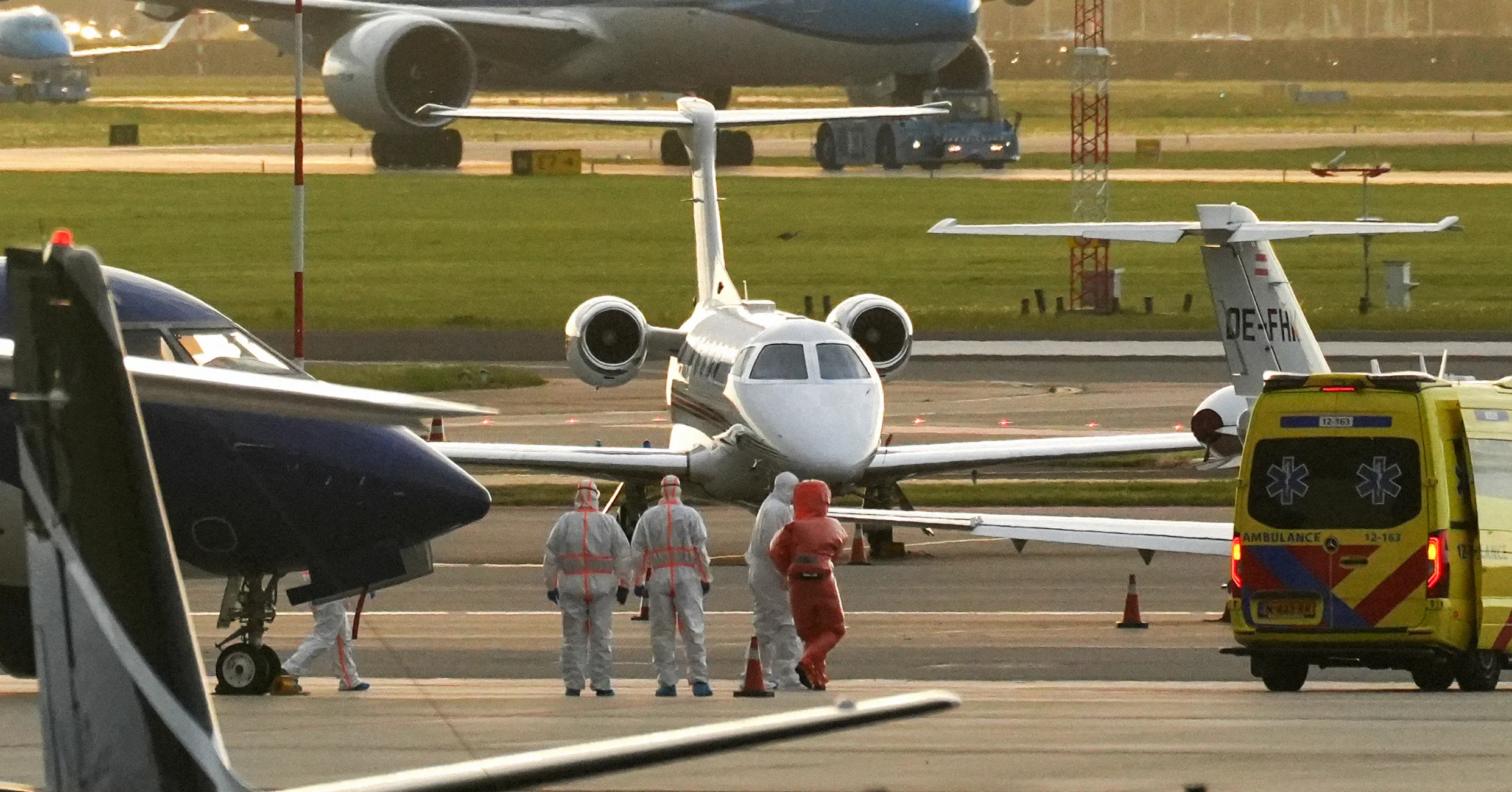
A laboratory at the University of Nebraska Medical Center has developed a polymerase chain reaction diagnostic test for the rare Andes hantavirus to screen 16 American passengers returning from a cruise ship outbreak. The University of Nebraska Medical Center is now the first facility in the nation to offer this specific diagnostic capability for patient management, addressing a critical gap in US public health infrastructure as the US Centers for Disease Control and Prevention’s PCR test remains unvalidated for clinical use.
Peter Iwen, director of the Nebraska Public Health Laboratory, confirmed that his team validated the test using genetic material and chemical reagents shipped overnight from Steven Bradfute’s lab at the University of New Mexico. The validation process involved adding Andes virus genetic material to healthy human blood samples and comparing results to controls, a procedure that consumed approximately one-third of the initial 300-test capacity. The lab now retains the capacity to conduct a few hundred tests on patient samples.
The urgency stems from the limitations of current federal testing options. Andrew Nixon, a spokesperson for the US Department of Health and Human Services, stated that the CDC currently offers a serological test that detects antibodies. However, this method only becomes effective after the body has mounted an immune response, meaning it cannot detect the virus in the earliest stages of infection. Nixon confirmed that the CDC is working on validating its PCR test for patient management, but it remains classified as a research tool for now.
Iwen’s lab mobilised quickly to build a diagnostic test from scratch after determining that existing US tests were designed for the Sin Nombre virus, which is genetically distinct from the Andes virus found in South America. The University of Nebraska Medical Center’s biocontainment unit, which previously treated Ebola and early Covid-19 patients, is preparing to test the 16 passengers. The goal is to identify cases early to provide supportive care, such as fluid management and breathing support, before severe respiratory failure occurs.
The Andes virus carries a fatality rate of around 35 percent and infects the small blood vessels of the lungs, causing fluid buildup. Kelly Wroblewski, senior director of infectious diseases at the Association for Public Health Laboratories, noted that state-level capacity for hantavirus testing is limited, with only a handful of states, primarily in the Southwestern US, able to run antibody tests. She described Nebraska’s rapid development of PCR testing as a lesson in preparedness, highlighting the importance of having infrastructure ready before a crisis necessitates its use.