Near-Earth Object 2026 JH2 to Pass Within 57,000 Miles of Earth
The 20-metre-wide object will fly four times closer to the planet than the moon on May 18, offering a viewing opportunity for astronomers via telescope and live broadcast.
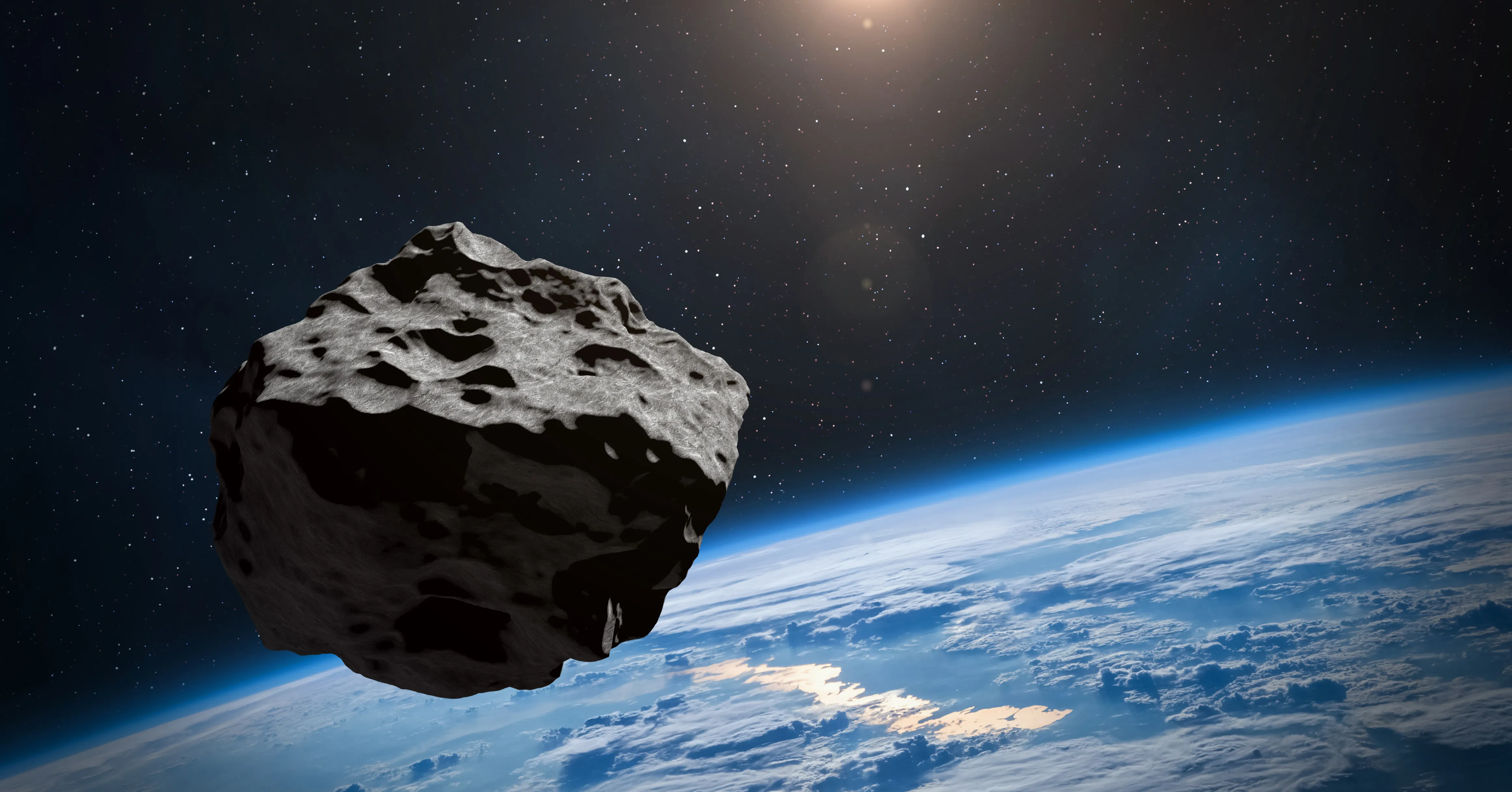
Asteroid 2026 JH2 is set to make a close pass of Earth on May 18, marking the nearest approach of any tracked near-Earth object (NEO) in the coming months. The object, which measures approximately 20 metres in diameter, will reach a minimum distance of 57,000 miles from the planet. This trajectory places it roughly four times closer to Earth than the moon, a proximity that has drawn attention from the astronomical community despite experts confirming there is no risk of impact.
The asteroid is classified as an Apollo-type NEO, a designation defined by a semi-major axis larger than Earth’s and a perihelion of less than 1.017 astronomical units. All asteroids and comets with a perihelion of less than 1.3 astronomical units fall under the broader NEO classification. With tens of thousands of such objects currently tracked, they are generally monitored for safety, though only a small fraction carry any minor risk of impacting Earth in the future.
While media descriptions have utilised hyperbolic terms such as “grazing” to characterise the flyby, the event is not considered rare. Several objects have approached Earth as closely or closer in the past year. For context, the small asteroid 2025 TF passed approximately 260 miles from Earth’s surface recently, illustrating that close passes, while noteworthy, are a regular feature of orbital mechanics.
Observers wishing to view the event can do so using a telescope or by tuning into a live broadcast organised by the Virtual Telescope. The asteroid’s size is comparable to Chicago’s Cloud Gate sculpture, making it a distinct target for enthusiasts, although exact visibility conditions for the general public without equipment remain unspecified.
This report was originally published by WIRED Italia and translated into English. The coverage highlights the ongoing monitoring of near-Earth objects, ensuring that while close approaches like that of 2026 JH2 are tracked and reported, they do not pose a threat to the planet.
