NCAA urges court to uphold Brendan Sorsby ineligibility amid gambling injunction hearing
The NCAA has argued that Texas Tech quarterback Brendan Sorsby is a 'serial violator' of gambling rules, warning that allowing him to play would set a precedent for betting on collegiate contests.
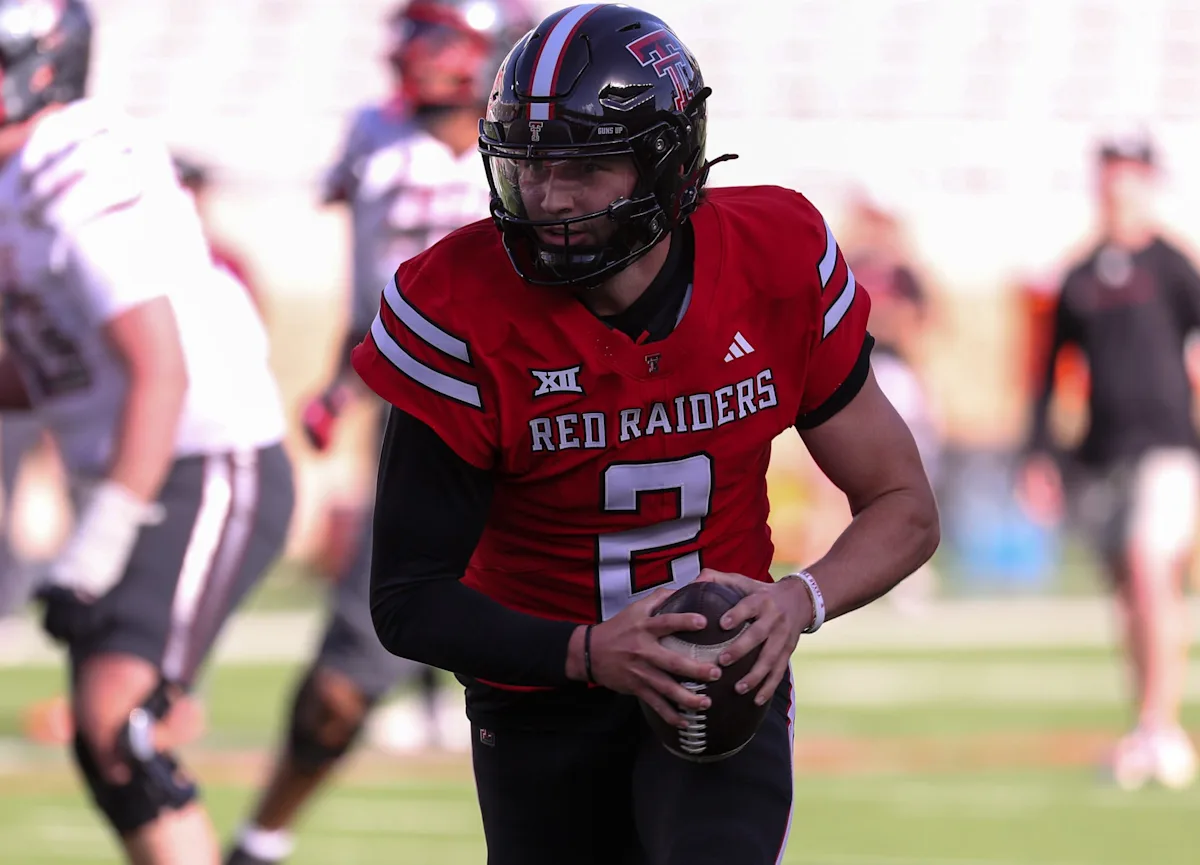
A two-hour injunction hearing held in Lubbock’s 99th District Court on Monday saw the NCAA argue that Texas Tech quarterback Brendan Sorsby should remain ineligible for the upcoming season. Presiding Judge Ken Curry adjourned the proceedings shortly after 11 am without indicating when a ruling would be issued, leaving the status of the university’s starting quarterback in legal limbo.
NCAA counsel Taylor Askew characterised Sorsby as a "serial violator" of gambling regulations, asserting that his addiction does not provide grounds for reinstatement. Askew warned that permitting Sorsby to play would make the NCAA the first major US sports league to tacitly approve betting on its own contests, describing such an outcome as a reputational harm to the organisation. "We should not say for the first time serial gambling is OK," Askew told the court.
Sorsby, who has placed over $90,000 in impermissible wagers across four colleges, is seeking an injunction to overturn his permanent ineligibility. Court filings indicate he made at least 40 wagers on the Indiana University football team during the first two months of the 2022 season while on the scout team. Although he ceased betting on Indiana football upon being promoted to backup status in November 2022, the NCAA maintains that his actions across Indiana, Cincinnati, and Texas Tech constitute a pattern of rule-breaking.
Lead plaintiff attorney Jeffrey Kessler argued that the NCAA is discriminating against Sorsby due to his gambling addiction and anxiety disorder, claiming no competitive integrity was compromised. Kessler cited a statement from an addiction clinician suggesting that the structure provided by a team supports Sorsby’s recovery. He contended that the NCAA failed to adhere to its own "student-first" philosophy and violated its contractual commitments by punishing Sorsby for a mental health condition rather than addressing a threat to game integrity.
The NCAA countered that Sorsby did not come forward voluntarily but was identified by law enforcement, which triggered the investigation. Askew disputed the assertion that there were no integrity concerns, pointing to bets placed on opposing basketball players to "overachieve" during games. Texas Tech had requested reinstatement on May 19, which the NCAA denied on May 22, leading to an appeal filed on May 29. Sorsby recently completed a month-long addiction treatment program in Arizona.
Should the injunction be denied, Sorsby faces a deadline in three weeks to petition the NFL for a supplemental draft. Kessler argued that upholding the ban would cause irreparable harm by depriving Sorsby of his final year of college competition, a unique experience not replicated in professional football. The court has been presented with extensive exhibits, and the timing of Texas Tech’s announcement of Sorsby’s leave for treatment on April 27 coincided with reports of the NCAA investigation.