NCAA Proposes Week 0 Season Start to Accommodate Potential 24-Team Playoff Format
Conference commissioners and program heads discuss the implications of an earlier regular season on the traditional calendar, while individual teams report on roster stability and defensive improvements.
College football leaders are currently evaluating a proposal from the NCAA oversight committee to shift the regular season start to Week 0, preceding the traditional Labor Day weekend. The primary driver for this structural change is the potential expansion of the College Football Playoff to a 24-team field, which would necessitate an earlier commencement of the postseason. Under the suggested model, teams would have 14 weeks to schedule 12 games, resulting in two open dates designed to provide flexibility for potential playoff adjustments.
The timing of the season change has generated a divided response among conference leadership. ACC Commissioner Jim Phillips has expressed strong support for the 14-week model, citing the need for scheduling flexibility to alleviate travel burdens and wear on teams. Conversely, SEC Commissioner Greg Sankey remains cautious, questioning whether the proposal prioritises starting the playoff sooner or simply creating open weeks, noting that the league has historically preferred two open weeks in its own scheduling.
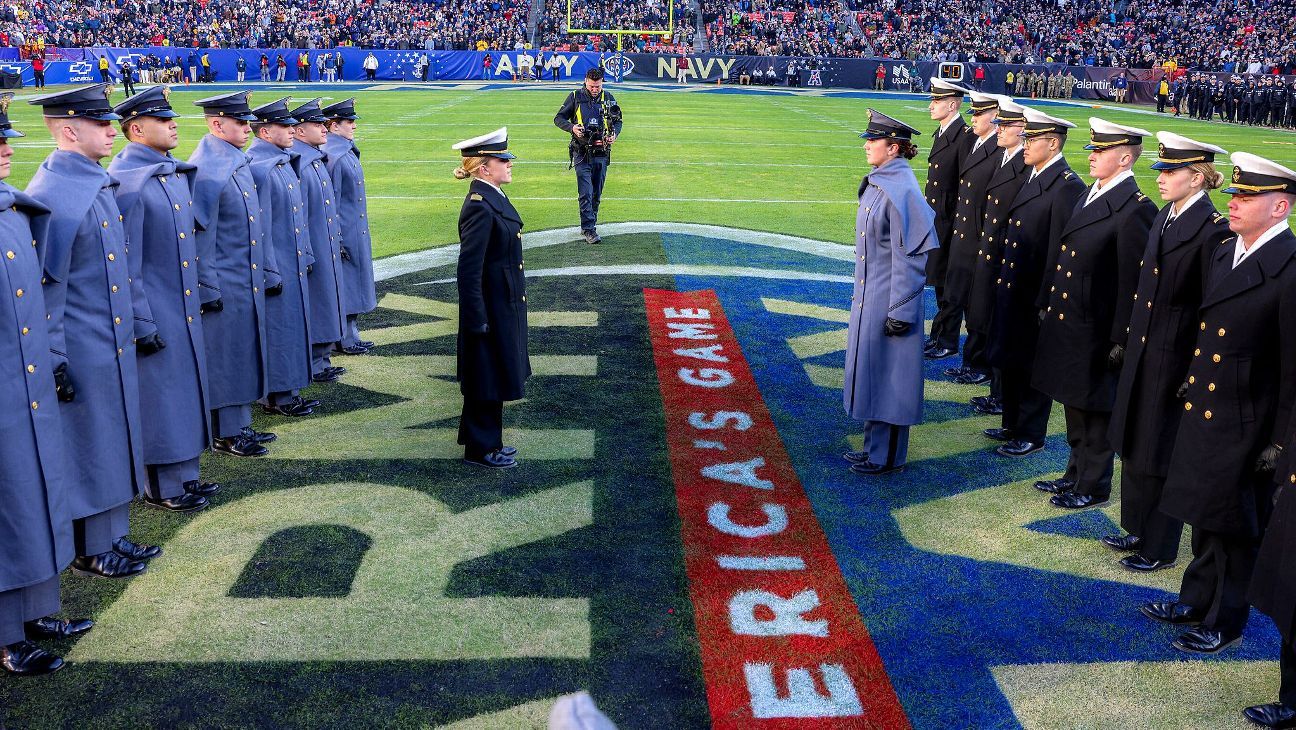
Complicating the calendar discussion is the status of the Army-Navy game, which both institutions regard as a top priority. The NCAA and CFP management committee are attempting to protect the game's unique tradition while accommodating a potentially expanded playoff field. If the playoff expands to 24 teams and conference championship games are eliminated, the season could conclude on Thanksgiving weekend, theoretically freeing the first Saturday in December for the Army-Navy matchup. However, moving the game to Thanksgiving remains a contentious issue, with Navy leadership arguing it is not ideal from a business or showcase perspective and would ask student bodies to sacrifice their holiday.
Further complicating the scheduling landscape is a recent executive order issued by President Trump, which bars the College Football Playoff and other postseason games from airing during the Army-Navy matchup in December. Navy athletic director Michael Kelly has stated that while the program deserves inclusion in the playoff when warranted, they do not wish to be excluded by technicalities regarding broadcast rights. He emphasised that the game deserves to be played on the biggest stage possible while maintaining its integrity.
Beyond the macro-level scheduling debates, several programs have released specific updates following spring practice. Arizona head coach Brent Brennan highlighted the retention of quarterback Noah Fifita, noting the athlete chose to stay with the program despite financial offers from other schools that were $3 million higher. Brennan characterised the decision as a testament to loyalty and team chemistry over economics.
Defensive improvements were a key focus for Clemson, where head coach Dabo Swinney identified the secondary as the primary area for enhancement following a poor pass defence season. The Tigers have addressed this by adding transfers Elliot Washington and Donovan Starr to bolster their cornerback group. Meanwhile, Washington head coach Jedd Fisch confirmed that quarterback Demond Williams Jr. has returned to the team after briefly considering a transfer, praising the quarterback's ability to move past the incident and perform well alongside a returning linebacker corps.
Other notable developments include Ohio State announcing that first-year offensive coordinator Arthur Smith will assume playcalling duties, replacing Brian Hartline. At Notre Dame, defensive coordinator Leonard Moore expressed high confidence in the secondary, suggesting several players could be NFL draft picks. Additionally, Georgia Tech coach Brent Key emphasised that he recruited Alberto Mendoza directly, aiming to manage expectations for the new quarterback who shares a surname with his brother Fernando.