NBA draft reforms complicate Portland Trail Blazers' pursuit of Giannis Antetokounmpo
Under the new system, the worst teams face a cap on draft selection, reducing the leverage Portland holds over Milwaukee's star player negotiations.
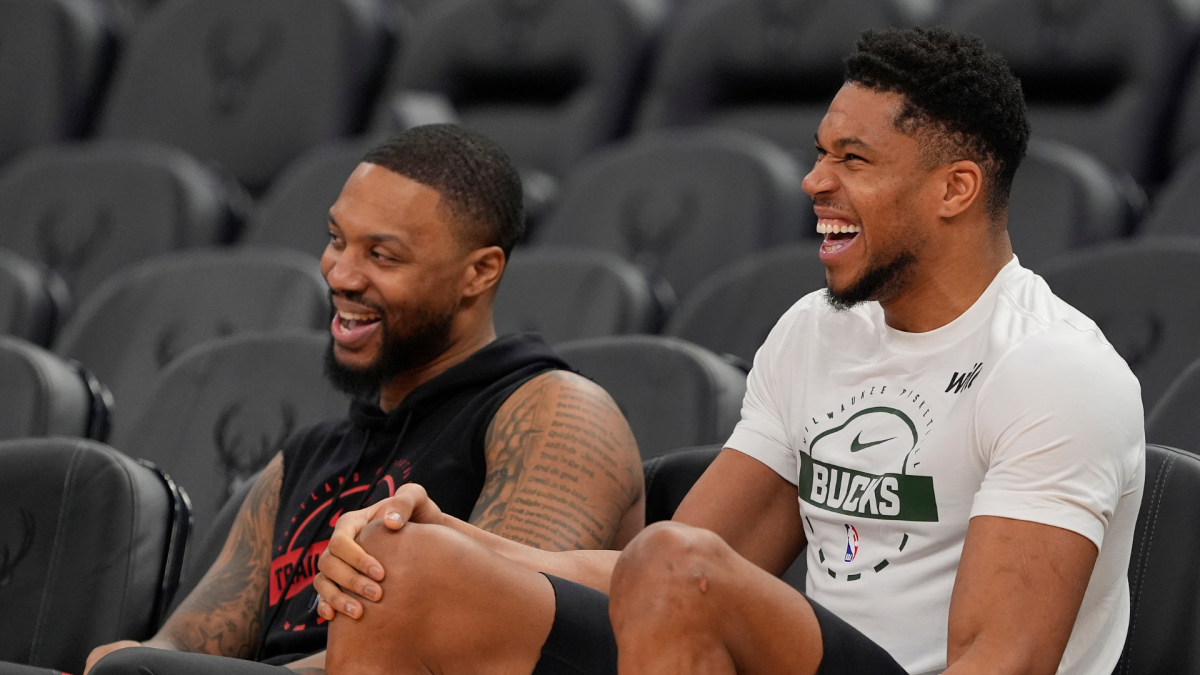
The Portland Trail Blazers are reportedly positioning themselves as a primary suitor for Milwaukee Bucks star Giannis Antetokounmpo, yet a significant shift in league governance is altering the calculus of the potential deal. While the franchise under new ownership Tom Dundon seeks to re-enter negotiations, an impending reform to the NBA draft lottery has materially reduced the value of the assets Portland offers in exchange for the Greek superstar.
Historically, the Trail Blazers held considerable leverage because they controlled Milwaukee's first-round picks for 2028, 2029, and 2030. Under the previous system, a team with the worst record could secure a selection as high as fifth overall, making these future picks a prized commodity for franchises wishing to regain control of their own draft destiny. However, the proposed new rules introduce a relegation zone for the three worst teams, capping the highest possible pick for non-relegation teams at number 16.
This structural change fundamentally undermines the strategy of tanking for top selections, which was the primary appeal of trading with Portland. As analyst Jake Fischer noted, while the Blazers possess other assets such as a 2028 Orlando pick and young players, the specific utility of their Milwaukee-controlled picks has diminished. The new mechanism limits the ability of any single team to aggressively manipulate draft outcomes, rendering the prospect of acquiring those specific future selections less straightforward than anticipated.
Bucks owner Wes Edens has confirmed that Milwaukee will either extend Antetokounmpo's contract or trade him, though a final decision remains pending. The uncertainty surrounding the star's expiring contract adds another layer of complexity, as acquiring a player who might leave after a single season presents a substantial risk for any acquiring franchise. This factor has been a known variable since February and influences the willingness of teams to engage in such high-stakes negotiations.
Despite the reduced value of the Milwaukee picks, the Blazers still possess tools to construct a compelling package. The 2028 Orlando pick acquired on draft night may hold greater upside given the current state of the Eastern Conference, and Portland's own future selections could be more attractive under the new regime. Additionally, the franchise has a wealth of young talent available to offer Milwaukee, potentially balancing the equation where the golden bullets of the past are no longer guaranteed.
Ultimately, the trade landscape has shifted from a clear path to a more intricate negotiation. While the Blazers remain a prime suitor, the reforms mean that the deal is no longer a slam dunk. Every minimal advantage now matters in a wild bidding environment, and the reduced leverage of the future picks suggests Milwaukee may value veteran star power or other draft assets nearly as much as the specific Portland holdings previously thought to be decisive.