NBA draft lottery overhaul disrupts franchise asset valuations
The league’s move to curb tanking has already devalued key draft picks for the Memphis Grizzlies and Houston Rockets, raising questions about the unintended consequences of structural reform.
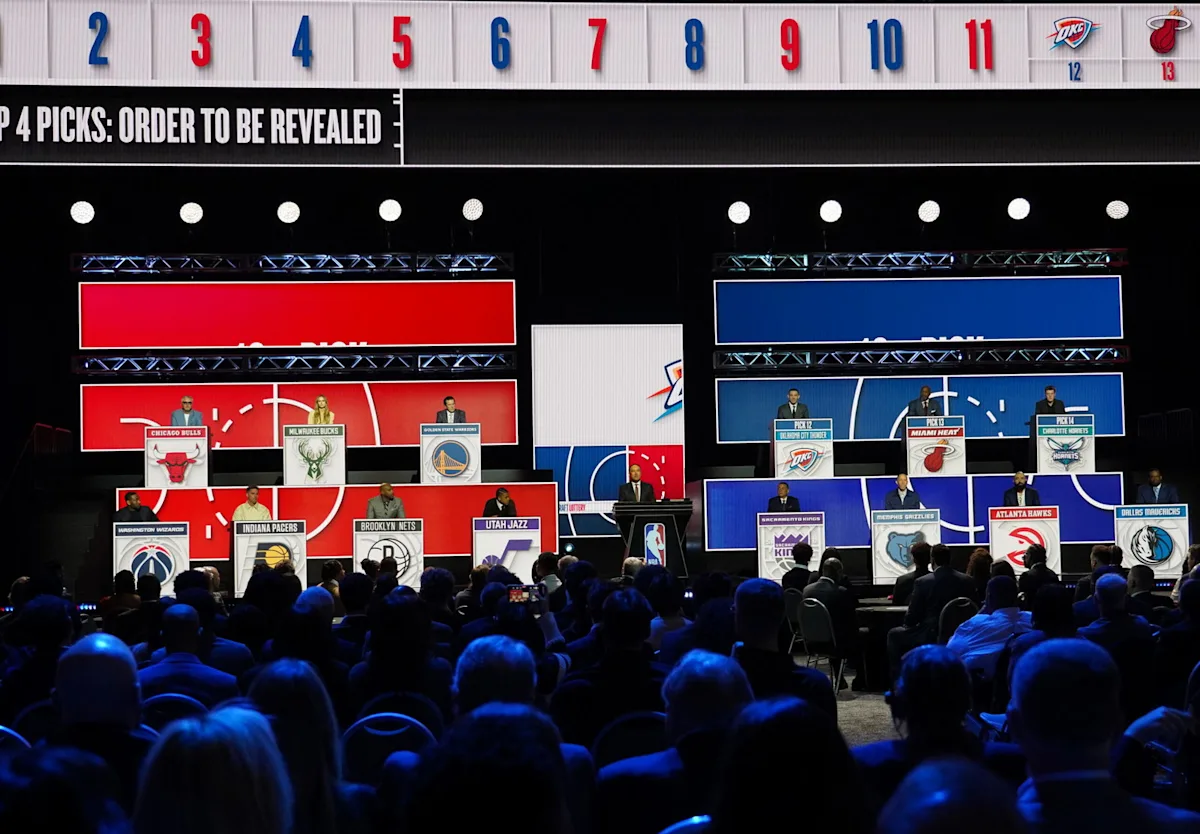
The National Basketball Association has implemented a comprehensive overhaul of its draft lottery system, colloquially known as the “3-2-1” format, following a decisive 29-1 vote by the Board of Governors. Effective from May 28, the reforms aim to eliminate tanking by altering draft odds and imposing strict restrictions on high draft picks, marking a significant shift in the league’s governance of competitive balance.
Under the new structure, the lottery has expanded from 14 to 16 teams, with lottery ball allocations adjusted based on final standings. Teams finishing between fourth and 10th receive three balls, while the bottom three teams are limited to two, effectively penalising extended periods of losing. Play-In participants receive one or two balls depending on their seed, with a set pick floor at number 12 for relegated teams, while other non-playoff teams could see their selection fall as far as number 16.
The league has also introduced prohibitions on consecutive high-value picks, preventing teams from holding the number one overall selection in consecutive drafts or a top-five selection in three consecutive years. Additionally, franchises are no longer permitted to attach top-12 through top-15 protections to newly traded picks. Commissioner Adam Silver has stated these changes provide an increased incentive to win, though the full impact on league competitiveness will not be evident until the 2027 draft.
However, the regulatory changes have already created complications for specific franchise asset valuations, particularly affecting the Memphis Grizzlies and Houston Rockets. The Grizzlies traded Jaren Jackson Jr. to the Utah Jazz in February 2026 in exchange for future first-round picks, one of which originated from Utah. As the Jazz selected in the top five in both 2025 and 2026, the new rules prevent them from selecting that high again in 2027, significantly devaluing the asset Memphis received in the blockbuster trade.
Similarly, the Houston Rockets hold an unprotected first-round pick from the Phoenix Suns, acquired in a Kevin Durant trade for 2029. If the Suns continue to finish in the Play-In or lower positions, their 2029 pick could be barred from being a top-five selection, impacting the value of the asset Houston holds. These immediate financial and strategic repercussions suggest that while the league has alleviated pressure to tank, it may have made the path back to contention more difficult for some franchises.
The new regulations currently apply to the 2027, 2028, and 2029 drafts. The Board of Governors will vote on whether to continue or modify the reforms by 2030, with some teams likely to hesitate in dealing picks until there is greater continuity within the system. The league’s message remains clear: intentional losing will result in a loss of access to top-shelf talent, but the long-term stability of this approach remains to be seen.