NBA declines to upgrade flagrant for Wembanyama shove on Brunson
San Antonio Spurs star Victor Wembanyama avoids further postseason discipline despite shoving New York Knicks guard Jalen Brunson to the ground during Game 3 of the NBA Finals.
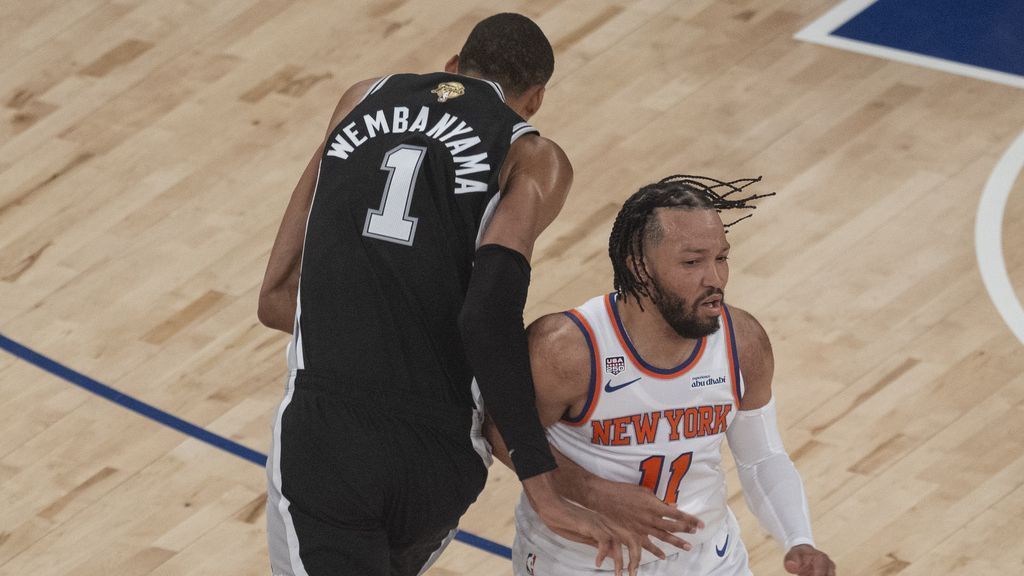
The National Basketball Association has confirmed that San Antonio Spurs forward Victor Wembanyama will not receive a flagrant foul for an incident involving New York Knicks guard Jalen Brunson during Game 3 of the NBA Finals. A league spokesperson informed ESPN on Tuesday night that the initial no-call would not be upgraded to a flagrant, despite NBA senior vice president of referee development Monty McCutchen acknowledging that a foul should have been called on the play.
The confrontation occurred with 4:44 remaining in the first quarter of Monday’s game. Brunson attempted to set a screen around the free throw line against the 7-foot-4 Wembanyama. As Brunson turned, Wembanyama shoved the Knicks guard to the ground. New York players immediately protested the lack of a call at the time, but the on-court officials did not penalise the Spurs star.
McCutchen discussed the incident on ESPN’s "NBA Today" earlier on Tuesday, stating that referees missed a foul call on Wembanyama. However, the league ultimately decided not to retroactively classify the contact as a flagrant foul. The shove was directed at Brunson’s upper body, according to the source material, distinguishing it from other historical accounts that may suggest contact to the head.
Wembanyama remains at two flagrant points for the postseason. Under current NBA rules, players who accumulate four flagrant points are subject to an automatic suspension. The two points Wembanyama currently holds were accumulated earlier in the playoffs during Game 4 of the second-round series against the Minnesota Timberwolves. In that instance, he elbowed forward Naz Reid in the jaw, resulting in a flagrant foul 2 and an ejection, though he faced no further discipline or fines.
The decision leaves the Spurs’ star player eligible to continue in the Finals without immediate suspension risk, despite the admission of an officiating error. The league’s choice not to upgrade the call highlights the distinction between missed calls that warrant correction and those that meet the threshold for post-game disciplinary action.