Navy Federal Credit Union ATM error delays $980 deposit for Pennsylvania consumer
Mark Edens’ funds were credited two weeks after Navy Federal reopened its investigation into a malfunctioning machine in Paoli.
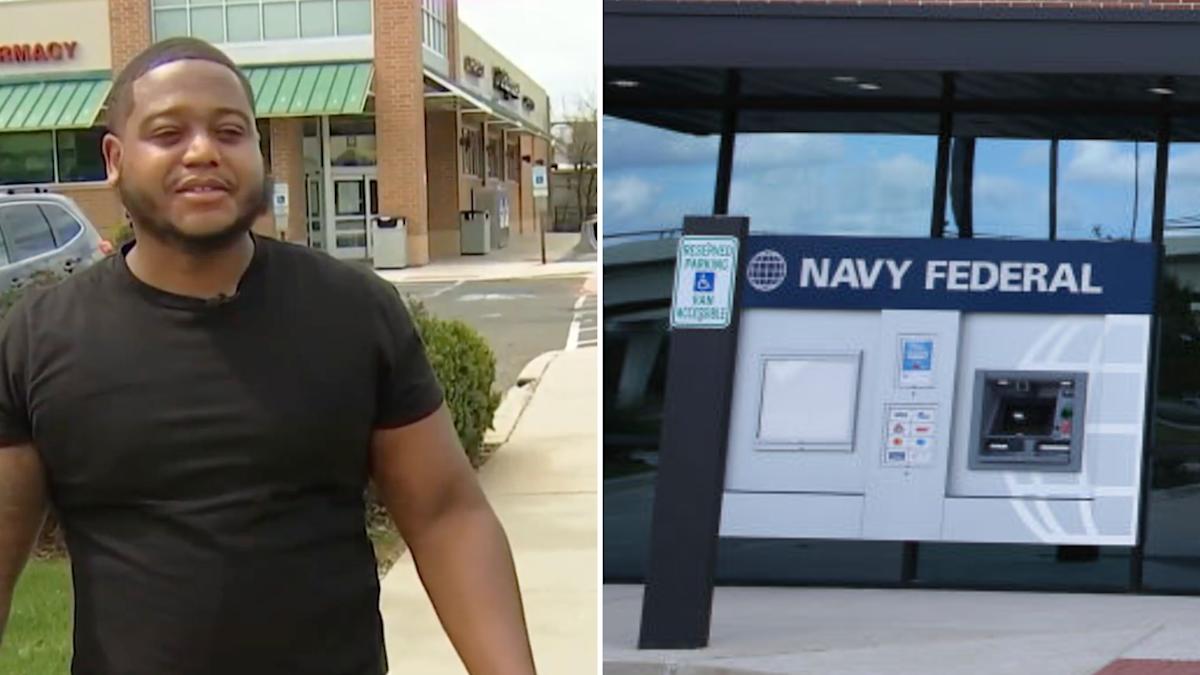
Mark Edens of Chester County, Pennsylvania, encountered a technical failure at a Navy Federal Credit Union ATM in Paoli in February 2026 while attempting to deposit $980 in cash. The machine displayed error codes and rebooted, failing to credit the funds to his account. Edens reported that he checked his mobile application and confirmed the money had not appeared, describing the situation as significant given the amount involved.
Navy Federal initially denied Edens’ dispute claims, stating that its review of the ATM logs found no issue with the machine. However, following intervention by NBC10 Responds, the credit union reopened the investigation. The institution identified incomplete information during its initial review and contacted another financial institution regarding the missing funds. Two weeks after the media contact, the $980 was credited to Edens’ account, allowing him to catch up on bill payments. Navy Federal did not provide a specific explanation for how the error occurred.
The incident highlights the procedural steps consumers should take when facing ATM discrepancies. Experts advise documenting error receipts and screen messages immediately, as banks and credit unions rely heavily on machine logs and transaction timestamps during investigations. Consumers are also urged to report the issue immediately by calling the number on the ATM or debit card, noting that federal electronic fund transfer rules generally allow 60 days from the statement date showing the error to report an issue.
Filing a formal dispute and obtaining a case number is critical, as banking disputes are common. The Consumer Financial Protection Bureau received more than 6.6 million consumer complaints in 2025, with banking-related issues being a recurring category. If a claim is denied, consumers should request a written explanation of the decision and ask what was checked, such as whether the ATM’s cash was counted after the transaction.
Escalation to regulators, such as the Consumer Financial Protection Bureau or state banking regulators, can be effective if initial denials persist. These agencies often require financial institutions to formally respond, which can move a case out of routine customer service processes. Additionally, using teller deposits or staffed in-branch smart ATMs is recommended for larger amounts, as these methods provide immediate confirmation and cleaner records if discrepancies arise.