Nato chief to urge European defence firms on investment surge
Alliance secretary general seeks to boost production capabilities and capital expenditure across the continent’s arms manufacturers amid rising geopolitical demands.
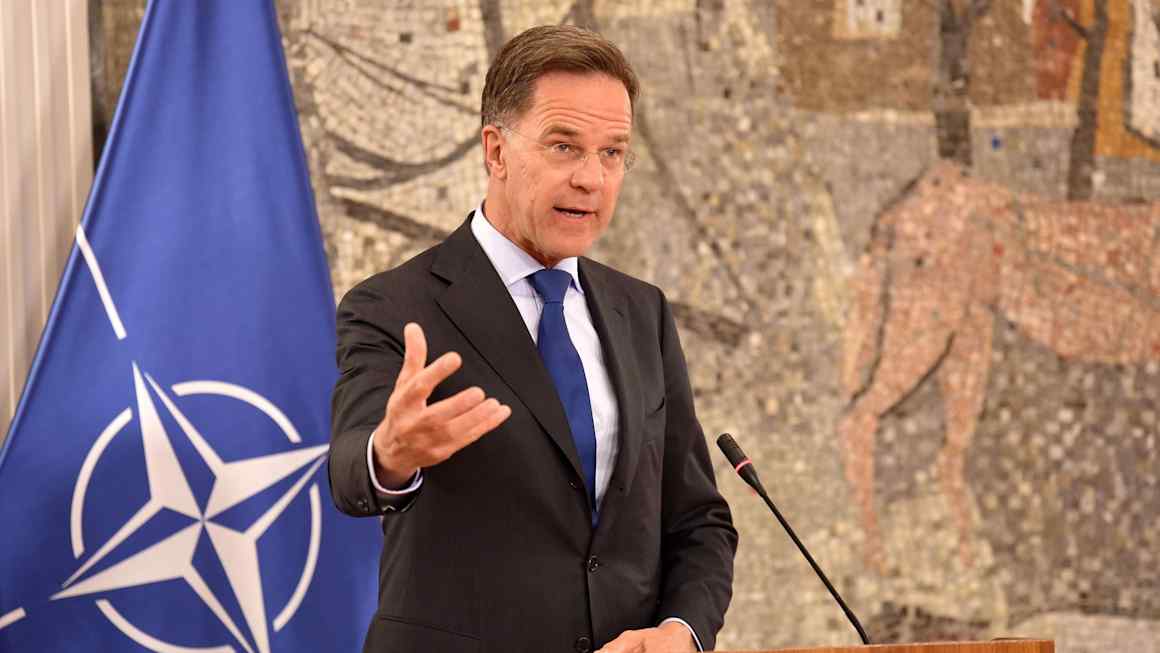
Nato Secretary General Mark Rutte is scheduled to engage directly with European defence industry groups in Brussels next week, signalling a concerted push to accelerate the continent’s military industrial base. The upcoming meeting is designed to urge arms manufacturers to significantly increase their investment levels and expand production capabilities to meet growing security requirements.
The initiative reflects the alliance’s broader strategy to ensure that European defence industries can scale up output in response to evolving geopolitical pressures. By bringing together key stakeholders in the defence sector, Rutte aims to align corporate capital expenditure with the strategic needs of member states, particularly in light of ongoing conflicts and the need for sustained deterrence.
While specific targets for increased production or detailed metrics for investment have not been disclosed, the focus remains on strengthening the resilience and capacity of the European defence industrial base. The meeting underscores the urgency for European nations to reduce reliance on external supply chains and enhance domestic manufacturing of critical defence equipment.
Rutte’s engagement with industry leaders in the Belgian capital highlights the political will within Nato to translate strategic commitments into tangible industrial action. The alliance chief’s direct appeal to manufacturers suggests that policy support and regulatory frameworks may be adjusted to facilitate faster ramp-ups in defence production across Europe.
As the defence sector faces increasing scrutiny over its ability to deliver at scale, this meeting marks a pivotal moment for European arms makers. The outcome of the discussions will likely influence how companies allocate resources in the coming years, with implications for global defence markets and supply chain dynamics.