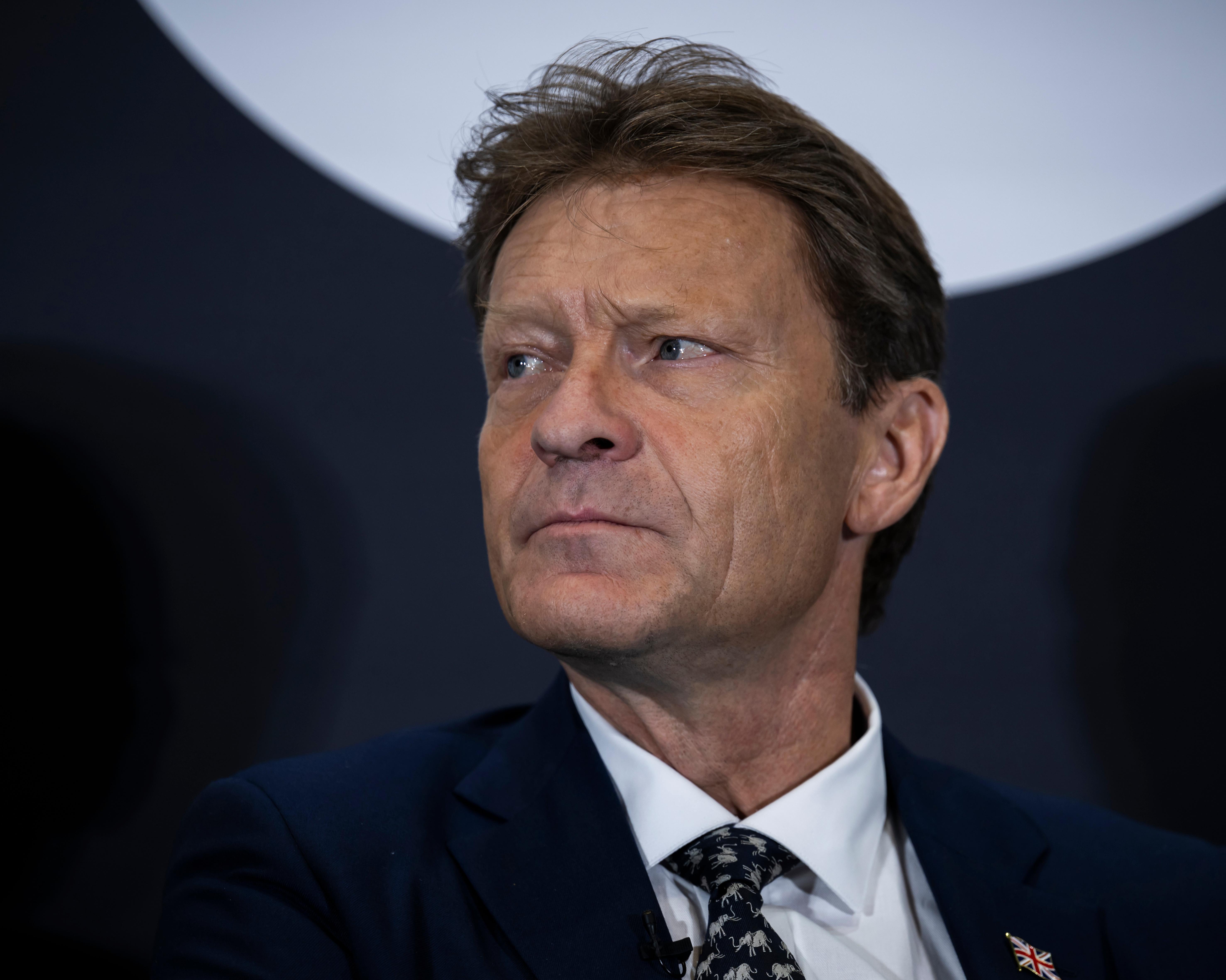
Nationalist first ministers pledge coordinated opposition to UK government policies
Scottish, Welsh and Northern Irish leaders announce joint strategy to resist Westminster overreach following historic election results
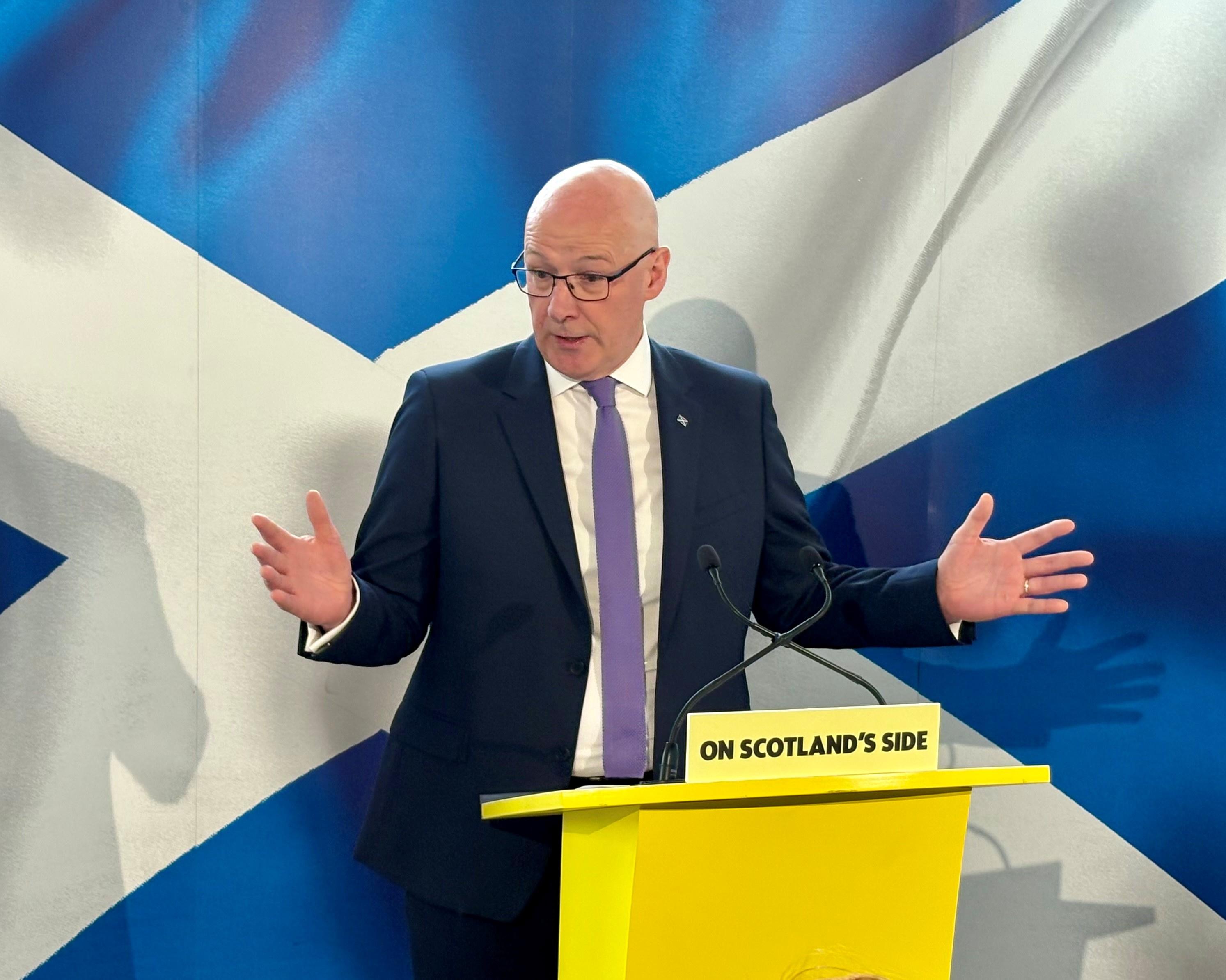
Incoming First Minister John Swinney has announced a coordinated political strategy with the nationalist leaders of Wales and Northern Ireland to present a united front against UK Labour government policies. The alliance, involving Michelle O'Neill of Sinn Féin and Rhun ap Iorwerth of Plaid Cymru, aims to challenge the central government's approach to cost of living measures and public spending. This move marks a significant shift in devolved governance, with the three administrations seeking to amplify their collective voice within the United Kingdom.
The core of this new strategy focuses on resisting the UK government's increasing reliance on the Internal Markets Act. Swinney indicated that this legislation, designed to harmonise trade regulations post-Brexit, is being used to impose policies over the heads of devolved administrations. He argued that a shared agenda among the three nationalist-led governments might finally force Whitehall to reconsider its approach to constitutional and economic matters.
Beyond regulatory disputes, the alliance advocates for the UK to rejoin the European Union to address economic decline. Swinney highlighted the merits of lifting the two-child benefit cap, a policy previously contested by Scottish and Welsh Labour governments. He stated that the UK is in a fundamentally different position and that Whitehall must catch up with this reality, noting that the sooner this adjustment occurs, the better for the nation.
The political landscape facilitating this coordination has been altered significantly by recent Holyrood and Senedd elections. Reform UK and Scottish Labour both secured 17 seats, placing them in joint second place and altering the balance of power. Furthermore, the addition of 14 Scottish Green MSPs to the SNP tally has created the largest ever pro-independence majority in Holyrood, providing a broader base for Swinney's legislative ambitions.
Swinney confirmed he will table a draft bill requesting powers for a second Scottish independence referendum next week. While he cited the historic pro-independence majority in Holyrood as the context for this move, he avoided claiming it constituted a cast-iron mandate given the SNP did not achieve an overall majority. The draft bill will have no legal force under the Scotland Act 1998, as Holyrood lacks the power to legislate on constitutional change without Westminster approval.
In response to the new alliance, Malcolm Offord, Reform UK's Scottish leader, condemned Swinney's refusal to collaborate beyond legally required steps as arrogant and undemocratic. Offord accused the SNP of aligning with extremist Greens, a claim the Scottish Greens denied. They clarified that while they support decriminalising illegal drug use and reducing prison populations, they do not have policies to legalise drugs, abolish prisons, or establish open borders.