NASA proposes repurposing Mars rover testbed for lunar south pole mission
The PROMISE project aims to utilise existing taxpayer-funded hardware to characterise the lunar surface, though significant engineering upgrades are required before the concept can become flight-ready.
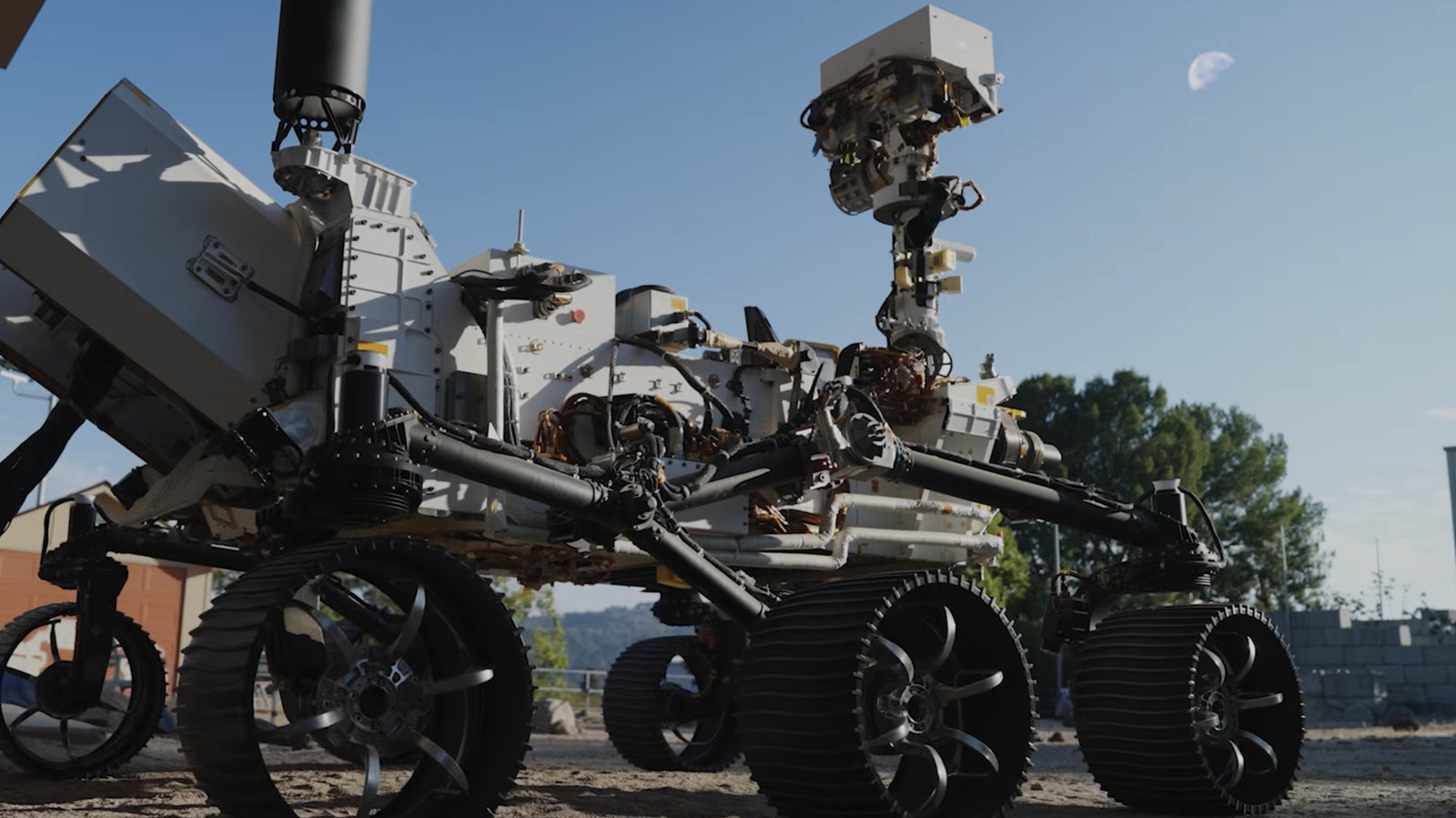
NASA has announced a proposal to repurpose an engineering testbed, formerly designated as OPTIMISM, for a mission to the Moon. The vehicle, named PROMISE (Polar Rover for Observation, Mapping and In-Situ Exploration), would be constructed as a hybrid from the engineering test models of the Curiosity and Perseverance Mars rovers. The initiative seeks to leverage hardware already built and paid for by taxpayers to scout the lunar south pole, a region identified as a potential site for future lunar bases due to its abundant water ice deposits.
The proposed rover is designed to characterise both the surface and subsurface of the lunar south pole. To achieve this, PROMISE would be equipped with a multi-mission radioisotope thermoelectric generator (MMRTG) utilising plutonium. This power source converts heat from the natural decay of plutonium into electricity, allowing the vehicle to operate independently of sunlight. According to Carlos García-Galán, the program manager for the Moon Base project, this capability is critical for surviving the lunar night and exploring areas regardless of illumination.
NASA Administrator Jared Isaacman highlighted the economic rationale behind the proposal during an update on the agency’s moon base plans. He noted that the agency has years of experience operating the two Mars rovers and possesses hardware that represents significant taxpayer investment. The question of whether this existing hardware could be sent to the Moon was posed to bring immense capability to the lunar south pole in short order.
Despite the strategic appeal, the project remains a concept. The current testbed is not yet ready for flight and requires extensive modifications to function as a lunar rover. Specific upgrades needed include sensors for temperature control, flight-ready scientific instruments, a communications system, and a generator. Furthermore, the vehicle’s components are not currently rated to withstand the abrasive, razor-sharp lunar dust that characterises the environment.
The Planetary Society estimates that the mission could cost between $700 million and $1.3 billion, with a potential launch window in the early 2030s. While NASA has not yet revealed the exact timeline for the necessary upgrades, the proposal underscores a shift towards utilising existing assets to accelerate exploration objectives at the lunar south pole.
