NASA outlines three Moon Base missions ahead of 2028 human return
The US space agency has confirmed a preliminary schedule for three uncrewed infrastructure missions to be completed before the end of 2026, marking a critical phase in the establishment of a permanent lunar presence.
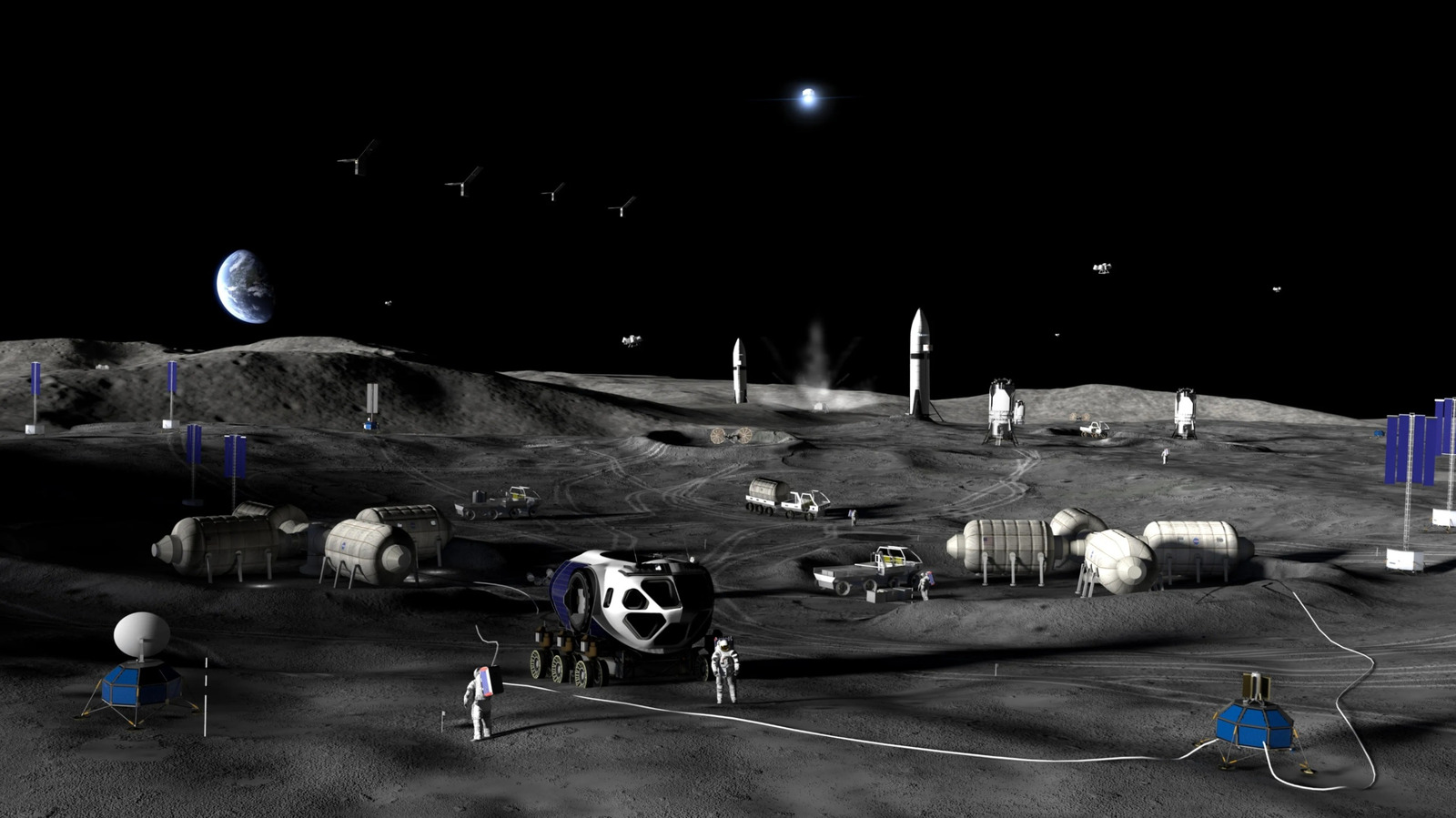
NASA has announced a preliminary schedule for up to three Moon Base missions to be completed before the end of 2026. These uncrewed missions are designed to deliver payloads to the lunar surface and test equipment developed by commercial partners, including Blue Origin, Astrolab, Astrobiotic, and Intuitive Machine. The initiative follows the completion of the crewed Artemis II lunar flyby in April, serving as a foundational step toward the agency’s broader strategy for a sustained presence on the Moon.
Moon Base I, scheduled to launch no earlier than autumn 2026, will utilise a Blue Origin Blue Moon Mark 1 Endurance lander. This mission will deliver payloads including a Lunar Plume-Surface Studies instrument and cameras to the lunar surface. NASA recently completed testing of this specific lander and confirmed receipt of a second-generation prototype intended for future crew testing and training.
The second mission, Moon Base II, is planned for later in 2026 and will deploy Astrolab’s FLIP rover using an Astrobiotic Griffin lander. This deployment is intended to assist Astrolab in designing future lunar terrain vehicles. Astrolab has previously been awarded a $219 million contract for the development of such vehicles, highlighting the commercial integration in NASA’s lunar infrastructure plans.
Moon Base III will occur at an unspecified point in 2026 and will employ an Intuitive Machine Nova-C Trinity lander. This mission will focus on studying lunar swirls and delivering payloads for international partners, including the European Space Agency and the Korea Astronomy and Space Science Institute. The mission underscores the growing international collaboration in lunar exploration efforts.
These infrastructure missions are part of an updated schedule announced by NASA in February, which delayed the return of humans to the lunar surface until 2028. Prior to the crewed return, the agency plans to deploy four drones to survey potential landing sites at the lunar South Pole as part of the MoonFall mission. This aerial reconnaissance will provide critical data on terrain and conditions, refining the selection of operational zones for future Artemis missions.
Blue Origin’s role in these efforts has expanded significantly, with the company awarded $118 million for rover delivery services. This contract increases Blue Origin’s involvement following previous agreements to deliver the VIPER vehicle and its work on the larger Mark 2 lander intended for human missions. The agency has also awarded a $220 million contract to Lunar Outpost for lunar terrain vehicle development, further diversifying the commercial supply chain supporting lunar exploration.
The Moon Base missions represent the first of more than a dozen infrastructure missions to be announced this year. These deployments are designed to establish the necessary groundwork for the Artemis III landing, ensuring that the technology and logistics required for a permanent lunar presence are fully tested and validated before astronauts return to the surface.