US safety board suspends crash database after AI reconstructs cockpit audio
Public access to the National Transportation Safety Board’s investigation files has been halted following the use of artificial intelligence to recreate voice recordings from the fatal UPS Flight 2976 crash.
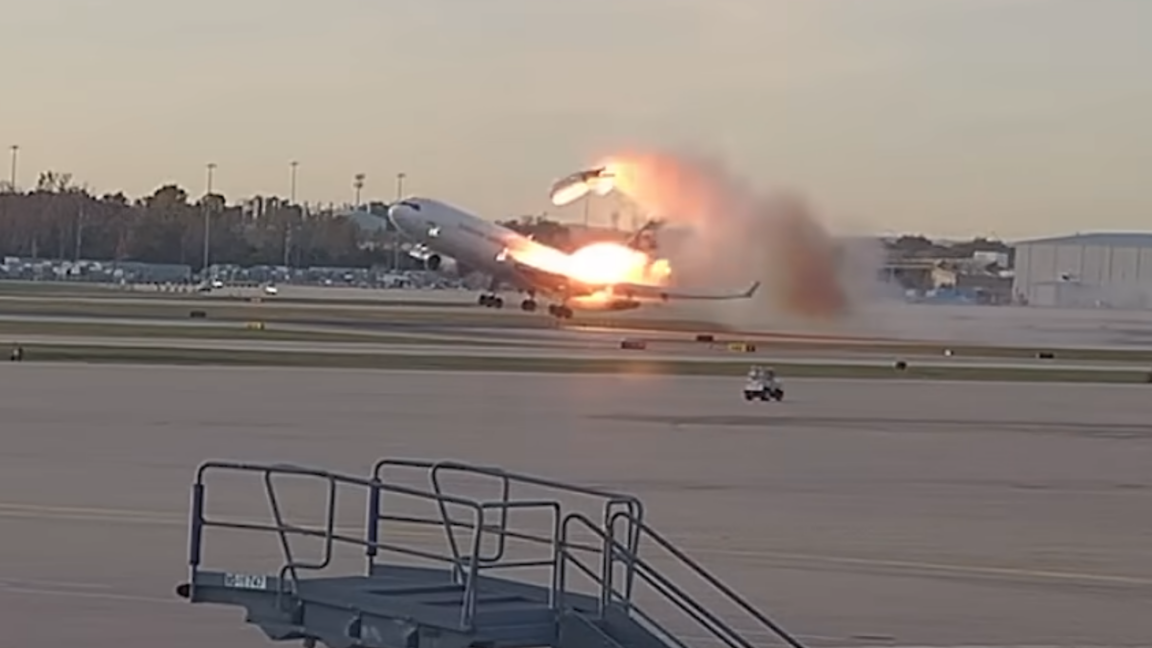
The US National Transportation Safety Board (NTSB) has temporarily suspended public access to its civil transportation accident database after internet users utilised artificial intelligence tools to reconstruct cockpit voice recordings from the fatal UPS Flight 2976 crash. The agency announced the unavailability of its online docket system on May 21, stating that the move was necessary to review materials and evaluate solutions to prevent future breaches of privacy protections established by federal law.
The suspension follows the re-creation of audio from the last 30 seconds of the flight’s cockpit voice recording, a process enabled by publicly released spectrograms and AI software. Internet users reportedly utilised the Griffin-Lim algorithm, originally published in 1984, alongside AI models such as OpenAI’s Codex to generate rough audio versions of the pilots’ voices. Some individuals reported completing the reconstruction within 10 minutes, with examples of the audio appearing on social media platforms including X and Reddit.
UPS Flight 2976, a United Parcel Service MD-11F cargo aircraft, crashed shortly after takeoff from Louisville, Kentucky, on November 4, 2025. The accident was caused by a structural failure that led to an engine detaching from the aircraft, killing all three pilots on board, 12 people on the ground, and injuring 23 others. The NTSB released written transcripts and a spectrogram of the cockpit audio during investigative hearings on May 19 and 20, which inadvertently provided the visual data required for the AI reconstruction.
Federal law enacted in 1990 prohibits the NTSB from publicly releasing cockpit voice or video recordings to protect the privacy of air crews. This legislation was prompted by public backlash following the airing of cockpit conversations from the August 1988 Delta Air Lines Flight 1141 crash. The NTSB maintains strict protocols for handling such data, including restricting listening access to a small number of personnel who must sign nondisclosure agreements and leave mobile devices outside the review area.
Ben Berman, an accident investigator and former NTSB analyst, noted that while cockpit audio has occasionally been released following lawsuits or dramatized in media, the AI-assisted re-creations based on spectrogram waveforms present a distinct challenge. The NTSB declined to provide additional comment but indicated it would share updates via its website or X account, with the agency aiming to restore access to the docket system as soon as possible.
