NASA Mars telecom contract sparks debate over eligibility rules and political influence
A delayed solicitation and specific legislative criteria have intensified scrutiny of the Mars Telecommunications Network award process, with industry leaders warning that schedule slippage threatens the late 2028 launch window.
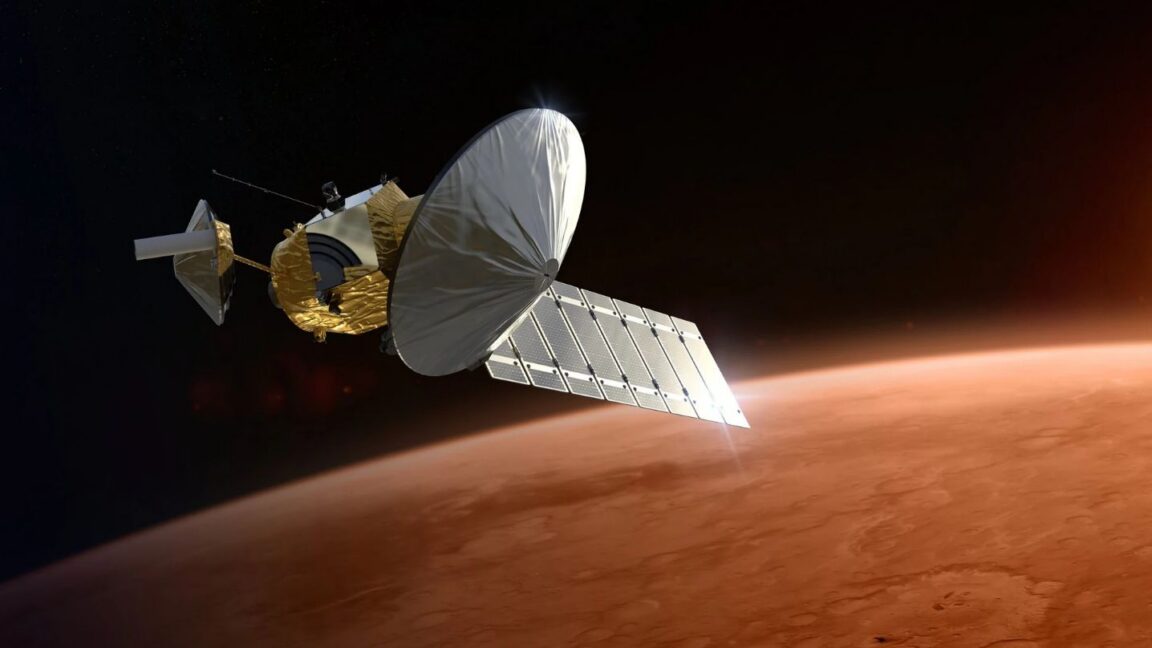
NASA has released a contract solicitation for a Mars Telecommunications Network spacecraft, backed by a $700 million appropriation in the 2025 “One Big Beautiful Bill”. The agency seeks to launch the orbiter before the late 2028 window to support future missions, including the Mars Sample Return initiative. The solicitation mandates that bidders must have previously proposed a Mars orbiter as part of an end-to-end Mars Sample Return mission, a criterion that has drawn scrutiny regarding potential preferential treatment for firms such as Rocket Lab. Proposals are due by June 15, with a contract award anticipated by October 1. The release of the solicitation was delayed by two weeks from the initial May 1 target, a shift some sources attribute to political engagement from US Senator Roger Wicker, though NASA has not confirmed the existence of such correspondence due to procurement blackout periods.
The eligibility requirement for the MTN contract explicitly states that offerors must demonstrate they proposed a separately and independently launched Mars telecom orbiter to support an end-to-end Mars Sample Return mission. This specific language, embedded in both the legislation and the procurement notice, has led to questions about whether Congress intended to favour a particular commercial provider. Rocket Lab is one of several companies eligible to compete based on the requirement that bidders have received funding in 2024 or 2025 for a commercial design study for a Mars Sample Return mission. Other eligible bidders include Blue Origin, L3Harris, Lockheed Martin, Northrop Grumman, SpaceX, Quantum Space, and Whittinghill Aerospace.
Rocket Lab CEO Peter Beck stated that NASA has “plenty of fire lit under them” regarding the schedule, though he declined to comment on the reasons for the solicitation delay. Beck emphasised the importance of the mission and the need for a swift contract award to meet the tight timeline. The delay in releasing the solicitation has caused concern regarding the late 2028 launch window, as every week matters in the construction and testing phase of the spacecraft. NASA’s current best communications relay, the Mars Reconnaissance Orbiter, has been in operation for two decades and is approaching the end of its operational life.
A source indicated that Senator Roger Wicker sent a letter in early May to NASA, which was interpreted as favouring Rocket Lab’s position. The connection between Wicker and Rocket Lab is likely tied to the Stennis Space Center in Mississippi, where the company tests its Archimedes rocket engine and plans to conduct further testing for its Mars orbiter. NASA declined to confirm the letter’s existence due to a procurement blackout period, citing the sensitive nature of the ongoing acquisition process.
Senator Ted Cruz chairs the Senate Committee on Commerce, Science, and Transportation, which passed a new NASA Authorization Act calling for the reinstatement of Mars Sample Return with a cost cap of $8 billion, though this legislation has not yet passed the full Congress. The revival of the sample return program could provide additional contracting opportunities for firms like Rocket Lab, which has positioned itself as a key player in the architecture for returning Martian samples to Earth.
