NASA Engineers Resolve Unprecedented Drilling Incident on Mars
The Jet Propulsion Laboratory team employed a sequence of mechanical adjustments to detach the rock, nicknamed “Atacama”, marking the first such occurrence in the mission’s nearly 14-year history.
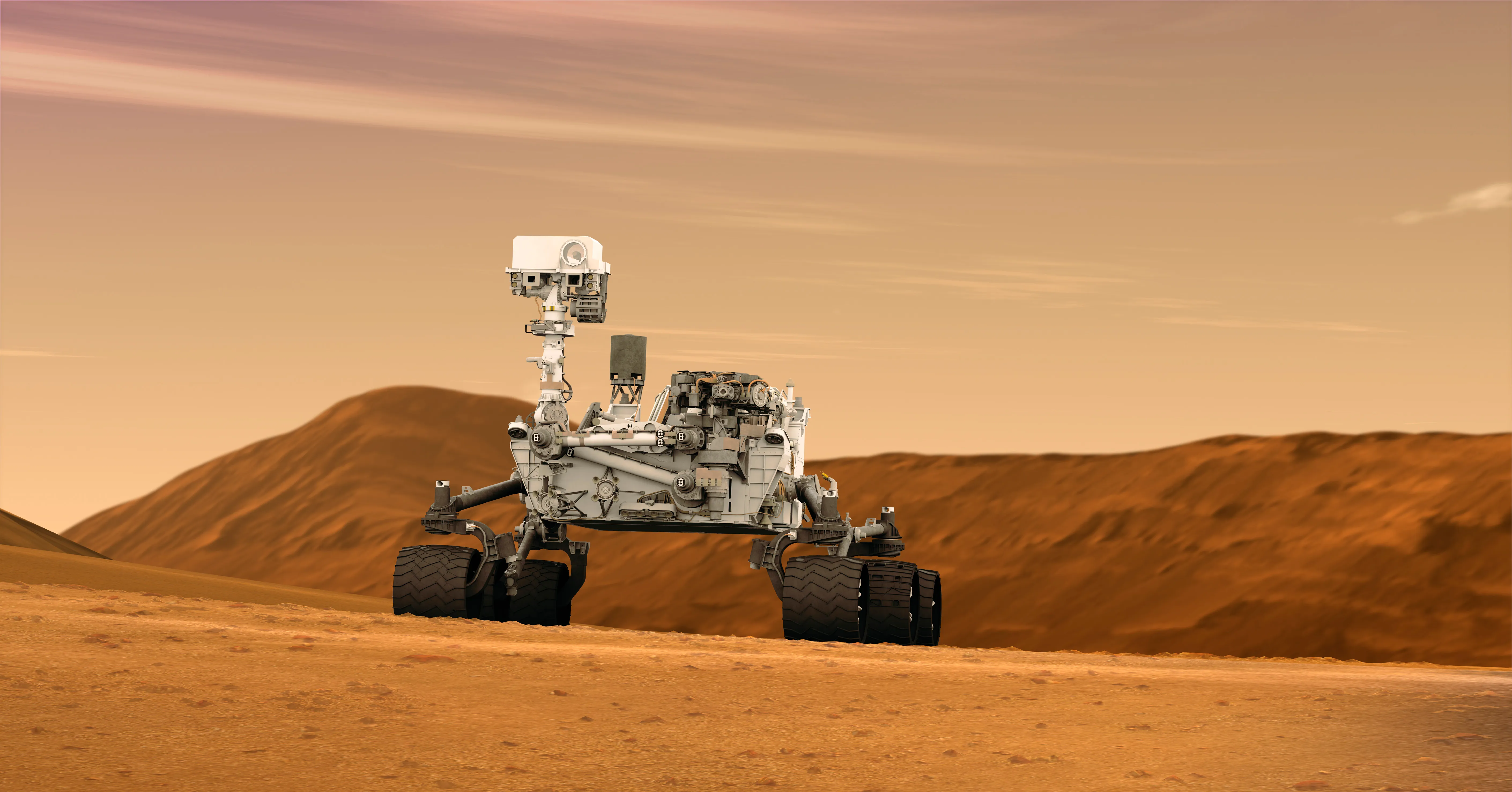
NASA engineers have successfully freed the Curiosity rover’s drill after it became entangled with a 28.6-pound rock on the Martian surface. The incident, which occurred on April 25, marked the first time in the rover’s nearly 14-year mission that a rock remained attached to the drill sleeve after lifting off the ground. The rock, nicknamed “Atacama”, detached on May 1 following a series of mechanical adjustments, shattering upon impact with the soil.
The obstruction was identified using the black-and-white obstacle-detection cameras mounted on the front of the rover’s chassis. These images allowed the engineering team to assess the situation and begin operations to free the drill. While previous drilling operations by Curiosity have resulted in cracks or breaks in Martian rocks, the adhesion of an entire rock to the drill sleeve was a novel challenge for the mission.
Initial attempts to resolve the issue on April 25 involved vibrating the drill, a method that proved ineffective. On April 29, engineers adjusted the position of the robotic arm and attempted vibration again. This effort only succeeded in knocking sand off the rock, leaving the obstruction firmly in place.
The resolution came on May 1, when the team adopted a more complex approach. Engineers tilted the drill further, rotating and vibrating it while spinning the drill bit. The team had anticipated needing to repeat these operations multiple times, but the rock broke loose on the first attempt of this sequence. The detached rock shattered into multiple pieces as it fell to the Martian surface.
Curiosity was developed by the Jet Propulsion Laboratory and landed on Mars in August 2012 to search for evidence of past conditions that could support microbial life. The rover has conducted extensive research in Gale Crater, including experiments in the Glen Torridon region in 2020, where it analysed clay minerals indicative of past water presence using its Sample Analysis on Mars instruments.
This report is based on information originally published in WIRED Italia and translated into English. The successful resolution of the incident underscores the adaptability of the engineering teams managing one of the longest-running planetary exploration missions.
