NASA develops algorithm to predict blood clot risk for astronauts
Following diagnoses on the International Space Station, NASA’s medical office is reviewing altered blood flow data to create a VTE risk score for crew members.
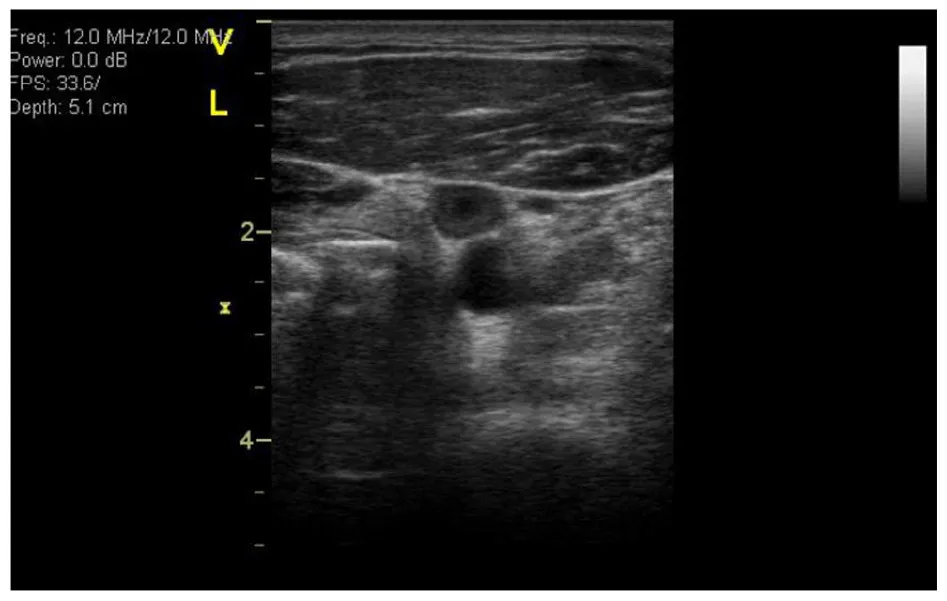
In April 2026, NASA’s Office of the Chief Health and Medical Officer (OCHMO) initiated a working group to review updated venous thromboembolism (VTE) case information and data revealing altered blood flow status in astronauts. The group aims to discuss progress on mitigating VTE risks during spaceflight and develop evidence-based clinical practice recommendations. This follows the initial formation of a working group in October 2024 after VTE diagnoses were made in astronauts during International Space Station missions.
The working group’s recommendations include the development of a VTE risk score algorithm for astronauts. Experts reviewed case data, updated Clinical Practice Guidelines, and examined possible causes for the altered blood flow status. This initiative is part of a broader effort to ensure crew health, safety, and occupational longevity through mission-enabling assessments that require rapid responses to support further exploration.
Venous thromboembolism poses a health risk to astronauts, particularly during long-duration spaceflight. NASA’s Human Spaceflight & Aviation Standards Team works with subject matter experts and space flight programs to provide medical requirements and clinical procedures designed to ensure crew health, safety, and occupational longevity. Mission-enabling assessment is crucial for NASA’s long-term success, requiring rapid responses to support further exploration.
The specific details of the "updated VTE case information" and the exact nature of the "altered blood flow status" are not fully detailed in the provided text, though they are cited as the basis for the working group's review. The timeline for the final implementation of the VTE risk score algorithm is not specified.
Claims regarding the effectiveness of the new algorithm are premature as it is currently in the development/review phase. The source text contains fragmented sentences regarding "NASA Technical Standard" and "Human Spaceflight and Aviation Standards Team" that appear to be boilerplate or incomplete excerpts; these should not be presented as specific new findings of the April 2026 working group without further verification.