Nadal admits extreme health risks secured 10 to 12 extra Grand Slams
The 22-time major winner discloses that anti-inflammatory overuse caused intestinal perforations and foot surgery removed sensation, yet he credits these measures with extending his dominance.
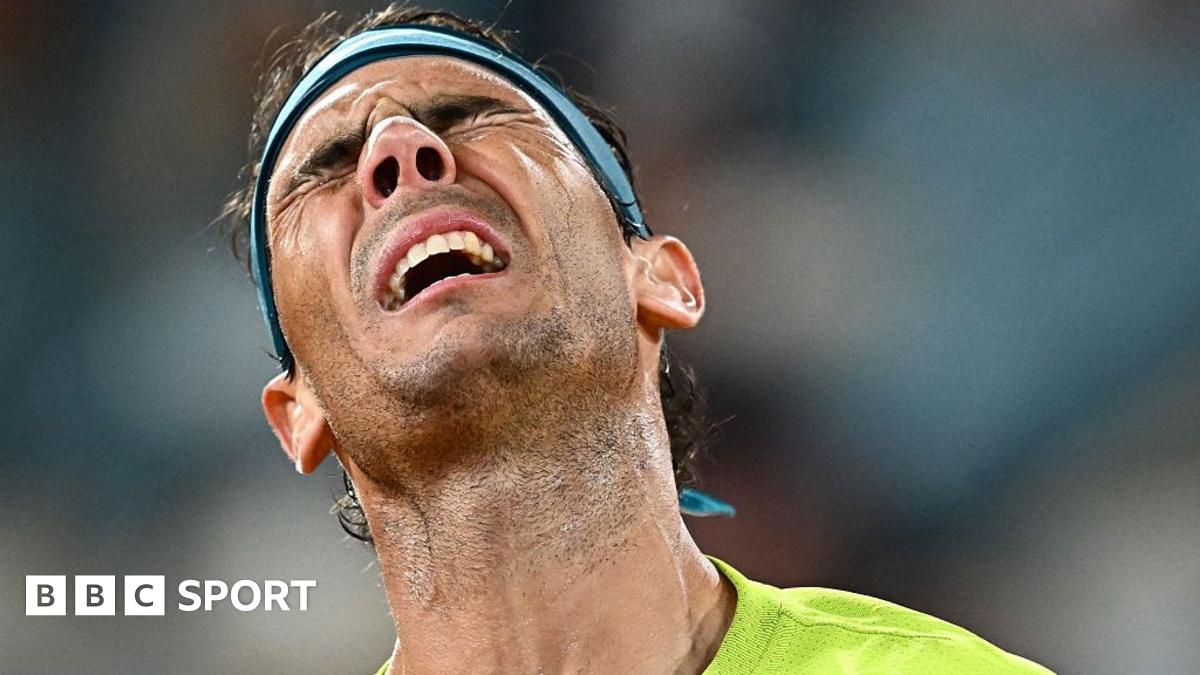
Rafael Nadal has disclosed in a new Netflix documentary that he spent nearly his entire tennis career in pain due to a degenerative foot condition, admitting that extreme medical interventions allowed him to win approximately 10 to 12 more Grand Slam titles than he otherwise would have achieved. The 39-year-old Spaniard, who won his first French Open in 2005 and retired in 2024, described his career as a constant battle against a body that was systematically breaking down under the strain of elite competition.
Nadal revealed that he underwent surgery to remove sensation in his foot and suffered intestinal perforations resulting from the excessive use of anti-inflammatory medication to manage severe knee pain. Speaking to the BBC World Service’s Sporting Witness programme, he stated that he had to make decisions about his health that sat on the borderline between right and wrong. He noted that if he had not explored these extreme measures, his tally of major titles would likely have been significantly lower, estimating a loss of 10 to 12 victories rather than just one or two.
The origin of these issues traces back to the 2005 Madrid Open final, where Nadal sustained a foot injury that led to a diagnosis of Mueller-Weiss syndrome, a rare degenerative condition caused by abnormal forces on an immature bone. To continue competing, he utilised a specialist insole, which he later admitted threw the rest of his body out of alignment. This compensation mechanism contributed to severe knee issues, including a hole in his left knee tendon, forcing him to withdraw from the 2012 London Olympics and US Open due to tendinitis.
In 2013, against medical advice, Nadal competed at the Indian Wells tournament using anaesthetics to manage knee pain, a decision that helped him win the event and reclaim the world number one ranking. By the 2022 French Open, the pain in his foot was so acute that he received targeted anaesthetic injections to put the sensory nerve to sleep. He won his record 14th Roland Garros title despite having no feeling in the foot, a feat that prompted seven-time Grand Slam champion John McEnroe to question how Nadal could play with such sensory deprivation.
Beyond physical ailments, Nadal discussed seeking professional psychological help for anxiety and compulsive behaviours, such as the inability to swallow without a water bottle in hand. This struggle with stress and high demands led to the addition of Carlos Moya to his coaching staff in December 2016, which ultimately contributed to the departure of his uncle and long-time coach, Toni Nadal. Nadal reflected that the last years of his career were lived with a greater sense of freedom, having moved away from the intense "tough love" environment of his youth.