NAACP sues xAI over unregulated gas turbines at Mississippi data centre
The NAACP and Southern Environmental Law Center argue xAI is exploiting a state loophole to operate 46 natural gas turbines without proper pollution controls at its Colossus 2 facility.
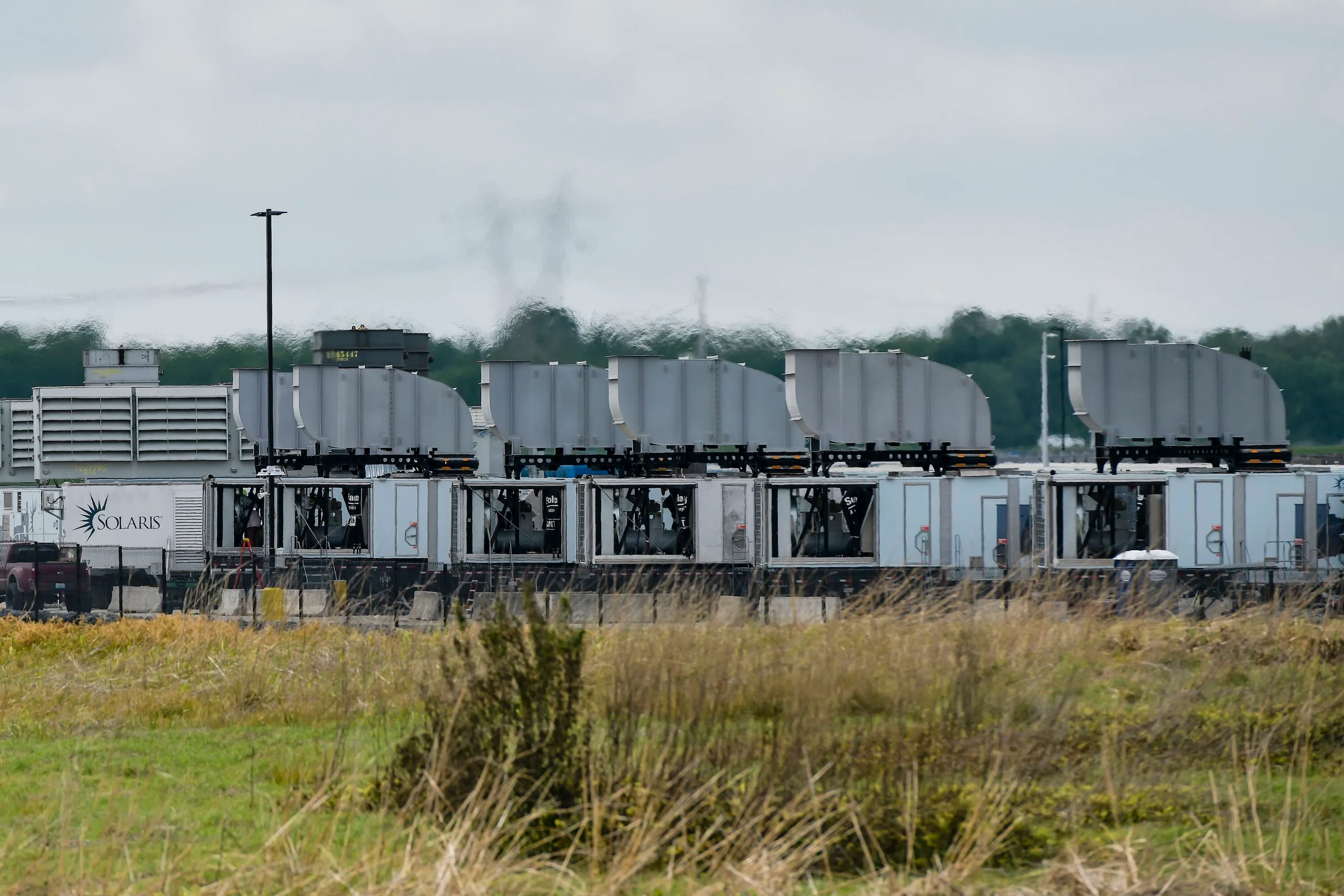
The NAACP, supported by the Southern Environmental Law Center, has filed a lawsuit against Elon Musk’s xAI regarding the operation of natural gas turbines at its Colossus 2 data centre in Mississippi. The legal action seeks an immediate injunction, alleging that the company is circumventing air pollution regulations by classifying nearly 50 gas turbines as “mobile” due to their placement on flatbed trailers.
Under Mississippi state regulations, power plants mounted on trailers can be classified as mobile, which exempts them from certain air pollution rules for a period of one year. However, the plaintiffs contend that under federal law, such equipment constitutes a stationary source and is therefore subject to standard air pollution controls. The suit argues that xAI’s current operations violate this federal classification.
While xAI holds permits for 15 of the turbines, reports indicate the company is currently operating 46 units. This figure represents a significant increase from May 2025, when a Greater Memphis Chamber of Commerce press release stated that about half of the 35 turbines then in operation would remain on site. Despite that earlier projection, xAI has continued to install additional units since that time.
The NAACP asserts that the unchecked emissions from these turbines are worsening air quality in the region, which it describes as already suffering from poor environmental conditions. The lawsuit, filed this week, asks the court to intervene to stop what the plaintiffs describe as a violation of federal law and a threat to public health.
The legal proceedings highlight a broader tension between state regulatory interpretations and federal standards for industrial emissions. The precise determination of whether the turbines constitute mobile or stationary sources under federal law remains to be adjudicated by the court, as does the exact quantification of their impact on local air quality metrics.
