Myanmar scam compounds expand despite crackdown, satellite data shows
New satellite imagery and ground reports indicate that suspected fraud operations, often linked to Chinese organised crime, are rapidly replacing destroyed facilities in Myanmar, with half utilizing Starlink terminals despite US seizure orders.
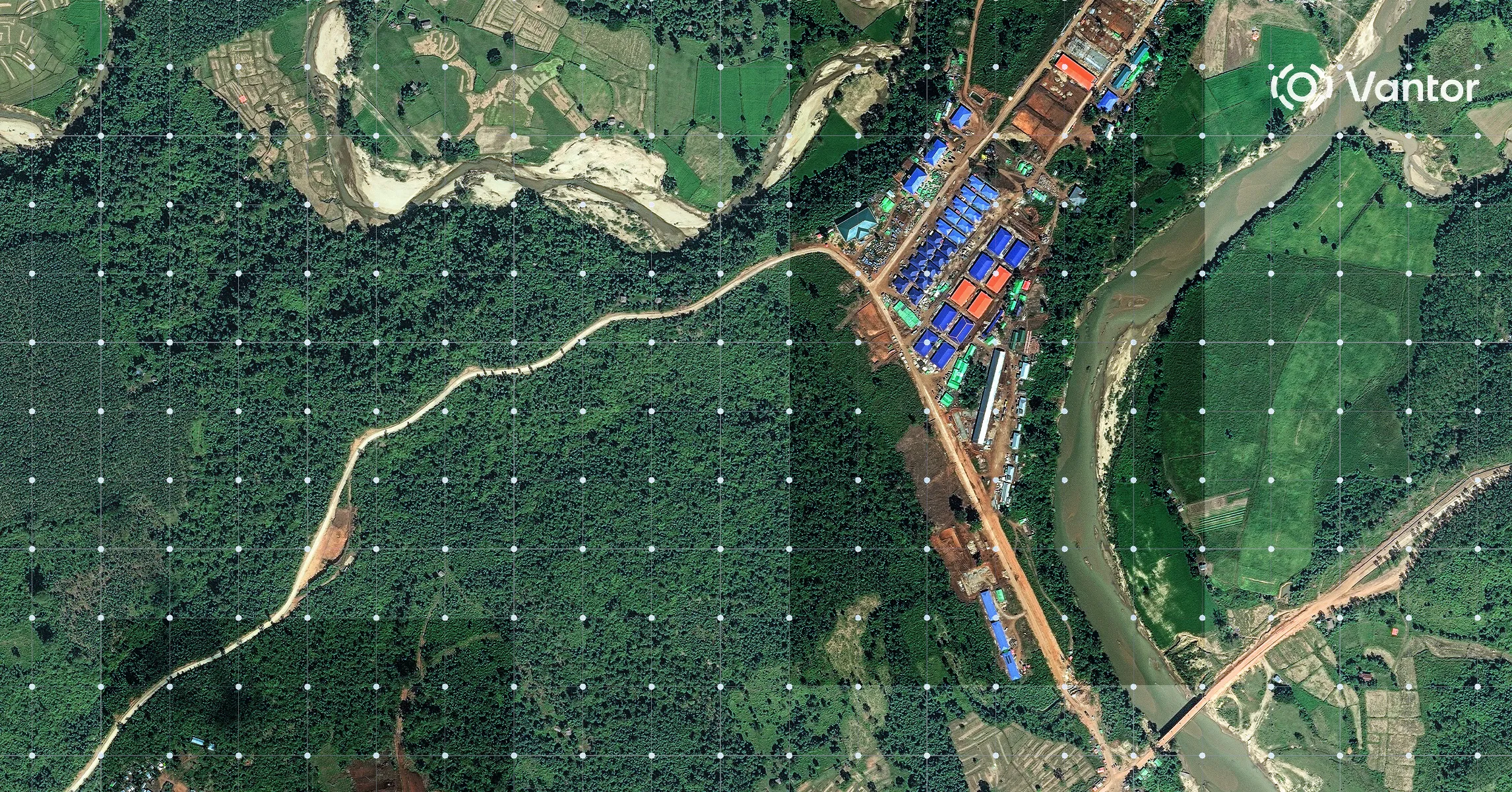
Satellite imagery analysis conducted by the International Justice Mission (IJM) has identified at least 25 suspected scam compounds that have been built or significantly expanded in the Myawaddy region of Myanmar over the past six months. The findings, which include visual evidence of land flattening and forest clearing, suggest that a purported crackdown on criminal organisations last year had minimal impact on the industry’s capacity. Eric Heintz, a global analyst at the IJM, noted that the scale of new developments appears sufficient to absorb the losses incurred during previous raids.
The expansion persists despite actions taken by Myanmar’s military junta ahead of elections last year, which included raids on known sites and the destruction of equipment. While some compounds were in early stages during the crackdown, construction on others began around January. Heintz highlighted the rapid pace of development, noting that one site saw approximately 24 buildings appear between January and April, transforming empty fields into operational facilities within months.
These sites are frequently operated by Chinese organised crime groups and are linked to human trafficking and global online fraud. Victims from more than 60 countries are reportedly lured by false job promises, have their passports confiscated, and are forced to work under threat of violence. The operations involve complex cryptocurrency and romance scams targeting victims globally, including in the United States, generating billions of dollars in illicit revenue.
A significant technological component of these operations involves the use of Starlink terminals. Heintz stated that at least half of the newly identified locations are using the satellite internet service, despite US law enforcement orders to seize such devices and claims by SpaceX that it has cut connections to 2,500 devices linked to scam compounds. The researcher indicated that the company’s ability to shut off these connections remains unclear, given the precise location data and IP addresses available.
Mechelle B. Moore, CEO of the anti-trafficking nonprofit Global Alms Incorporated, confirmed via drone footage that nine sites previously thought to be emptied were actually populated with new victims. She stated that criminal entities often move people to other compounds following raids, resulting in continuous growth rather than reduction. The Embassy of Myanmar in London did not immediately respond to requests for comment regarding the expansion.
