Musk-OpenAI trial closes as jurors weigh Altman’s credibility and corporate transparency
Lawyers for Elon Musk and OpenAI have presented their final cases, shifting focus to the trustworthiness of OpenAI CEO Sam Altman and the structural transition of the AI lab.
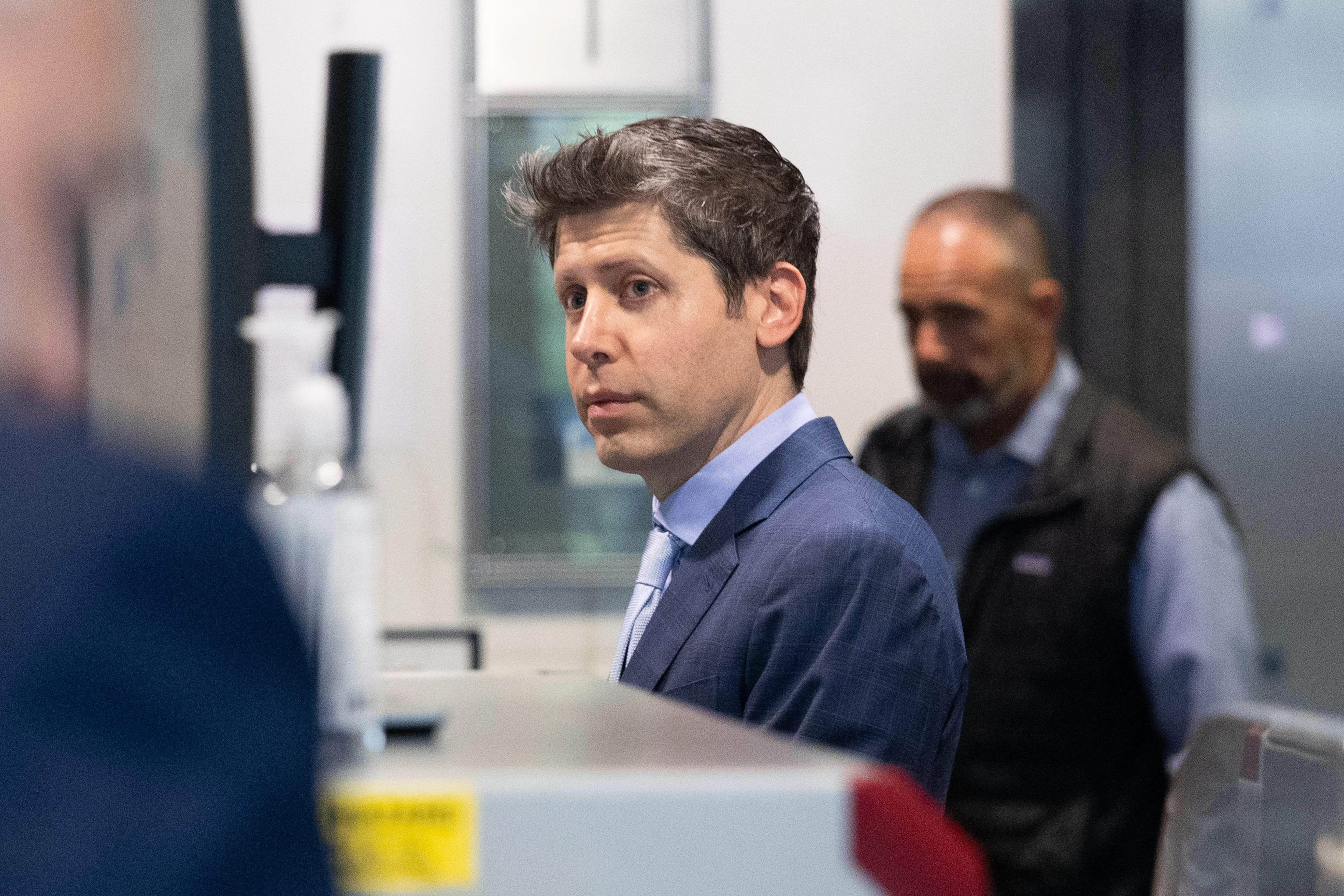
Lawyers for Elon Musk and OpenAI presented closing arguments this week, concluding a trial centred on whether the artificial intelligence lab committed wrongdoing during its transition to a slightly more for-profit structure. With the proceedings wrapped, jurors are now tasked with determining the verdict, while the case has underscored broader industry concerns regarding transparency within privately held technology firms.
A dominant theme in the final days of the trial was the credibility of OpenAI CEO Sam Altman. Musk’s attorney, Steve Molo, challenged Altman regarding the accuracy of his previous congressional testimony, specifically concerning his equity stake in the company. Altman had previously stated he did not hold an equity interest, a claim contested by the fact that he held a stake through Y Combinator, a venture capital fund he formerly ran.
During the proceedings, Altman characterised his financial involvement as that of a "passive investor" via Y Combinator. Molo questioned whether a congressman interviewing Altman would have understood the distinction of a passive venture capital investment, suggesting the clarification was potentially misleading to lawmakers. Altman also testified that he is "conflict averse" and admitted to telling people what they wanted to hear, stating he is working to address this trait.
The trial has drawn comparisons to the conduct of Elon Musk, who has a documented history of making misleading statements on social media that he later corrected on the stand. Observers noted a contrast in courtroom demeanours: Musk was described as combative, whereas Altman adopted an affable and apologetic tone. TechCrunch journalists covering the trial noted that while both parties faced scrutiny over truthfulness, their approaches to handling inaccuracies differed significantly.
The case highlights a fundamental issue for policymakers, journalists, and consumers regarding the opacity of AI labs. As these entities remain largely privately held, there is limited insight into their internal operations and governance. The discussion suggests that the trial is not merely a dispute between two tech figures, but a reflection of wider anxieties about trust and intent in an industry that operates largely behind the veil.
Jurors must now decide whether OpenAI committed any wrongdoing. The outcome will be closely watched as a precedent for accountability in the rapidly evolving artificial intelligence sector, where structural changes and executive power dynamics often occur without public oversight.
