MSF warns of severe Ebola crisis in DR Congo amid diagnostic delays
Médecins Sans Frontières has raised alarms over the trajectory of the Ebola epidemic in the Democratic Republic of Congo, highlighting how diagnostic challenges are complicating the institutional response to a growing public health emergency.
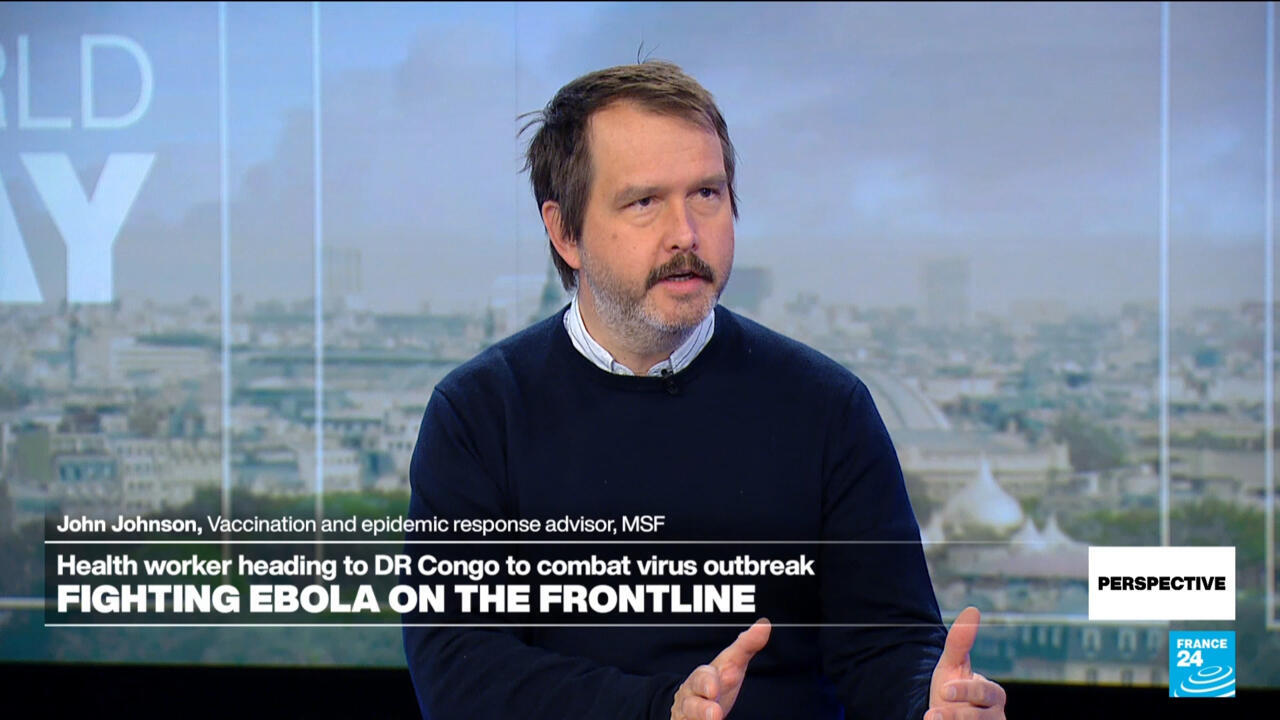
John Johnson, a vaccination and epidemic response adviser at Médecins Sans Frontières (MSF), has issued a stark warning regarding the current Ebola outbreak in the Democratic Republic of Congo, describing the situation as potentially severe. Johnson, who is preparing to deploy to the region on Thursday, told FRANCE 24 that early indicators suggest the crisis will be significant, with more than 130 people having died and over 500 cases detected.
The response efforts are being hampered by specific diagnostic challenges that are delaying accurate identification of the virus. Johnson noted that initial testing protocols targeted a more common strain of Ebola, resulting in negative returns that do not reflect the actual pathogen circulating in the population. This discrepancy between test parameters and the specific strain involved is complicating the immediate containment strategy.
The World Health Organization has responded to the escalating situation by declaring an Ebola emergency in both the Congo and Uganda. This elevation of alert levels reflects an institutional recognition of the need for coordinated international response mechanisms, aiming to stabilise the outbreak before it spreads further across regional borders.
The current crisis unfolds against a backdrop of historical vulnerability in the region. More than a decade ago, the Democratic Republic of Congo experienced a major Ebola outbreak that claimed over 11,000 lives, with many infections linked to traditional funeral practices involving the washing of bodies. The WHO’s current risk assessments are being conducted in the context of these past events, which continue to inform global health security protocols.
While the specific strain causing the current outbreak has not been explicitly named in initial reports, the negative results for the common strain indicate a distinct variant or complication. The exact timeline for when these diagnostic challenges began remains unclear, but the immediate priority for MSF and other health bodies is to overcome these identification hurdles to effectively manage the more than 500 detected cases.