Moonshot AI launches Kimi model amid US-China tech summit
The release of Kimi coincides with a two-day summit in Beijing between Presidents Trump and Xi, as US markets rally on chip export approvals.
Chinese artificial intelligence startup Moonshot AI has unveiled its latest large language model, Kimi, asserting that the new system rivals the capabilities of leading US laboratories OpenAI and Anthropic. The launch marks the latest effort by a Chinese entity to narrow the performance gap with Western competitors in the rapidly evolving AI sector.
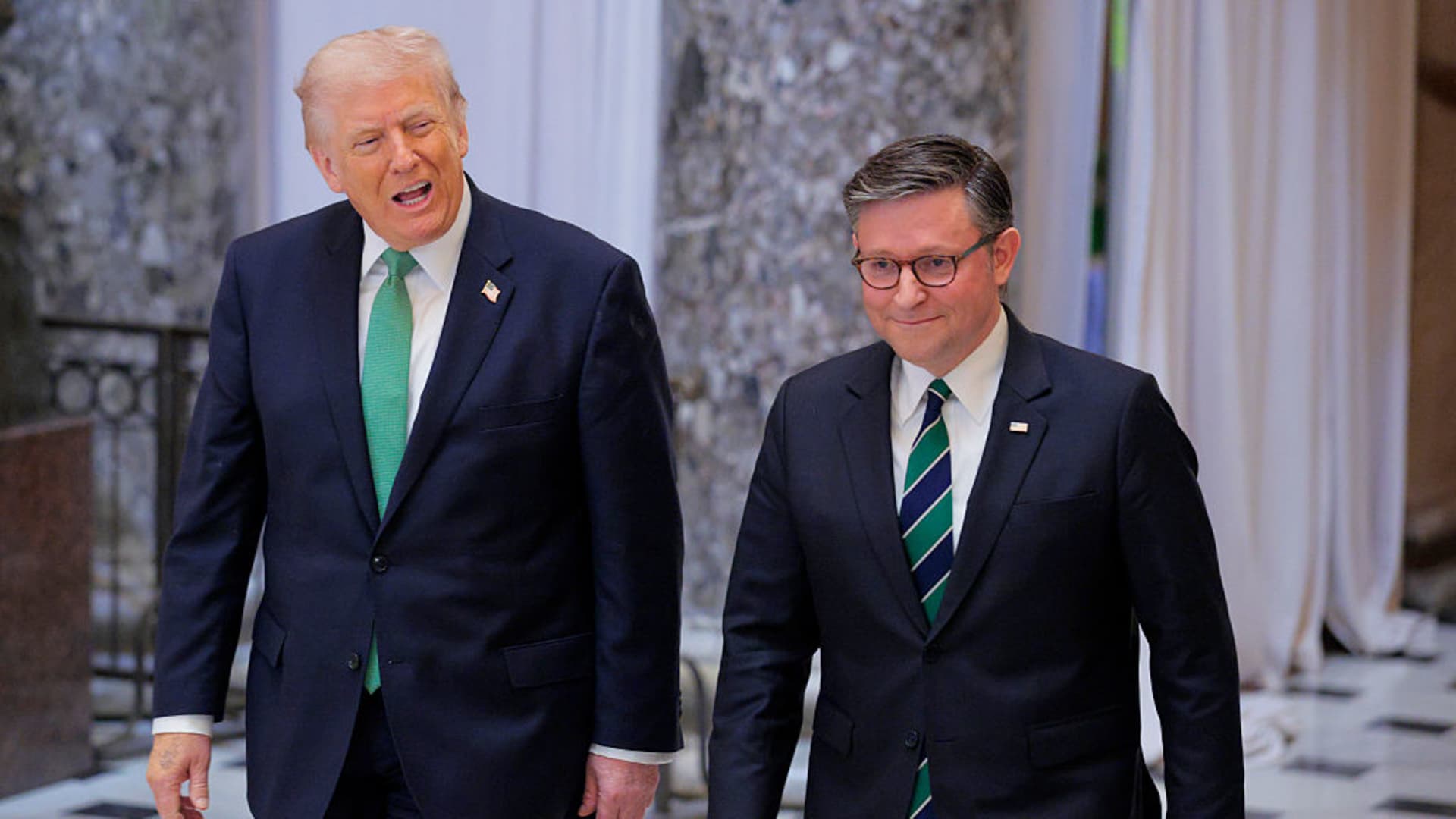
The announcement comes as US President Donald Trump and Chinese President Xi Jinping commence a two-day summit in Beijing. The meeting, which began on Thursday, features a delegation of major technology executives and focuses on trade, artificial intelligence, and regional security issues including tensions in the Strait of Hormuz.
Market reaction to the diplomatic developments was immediate. US stock indices rose on Thursday as the summit began, with the Dow Jones Industrial Average gaining 0.8 per cent, the S&P 500 rising 0.3 per cent, and the Nasdaq Composite climbing 0.2 per cent.
Nvidia shares surged more than 2 per cent following news that the US government had approved the sale of H200 AI chips to Chinese firms. This regulatory approval appears to be the primary driver behind the positive market sentiment, rather than the Kimi model release.
Moonshot AI’s claim that Kimi rivals OpenAI and Anthropic is a corporate assertion. The source material does not provide specific technical benchmarks or independent third-party testing to verify the extent to which the new model matches the capabilities of its US counterparts.
The broader context of the summit highlights the intense competition between Chinese startups and US labs. While Chinese entities frequently work to close the performance gap, the geopolitical landscape remains complex, with trade and AI restrictions continuing to shape the industry.
The approval of H200 chip sales suggests a potential shift in the regulatory environment, though the long-term impact on the competitive landscape of Chinese AI development remains to be seen. The Kimi model release is part of a broader strategy by Chinese firms to demonstrate technological parity with Western leaders.