Moderna Partners With Korea University On Hantavirus mRNA Vaccine Amid Cruise Ship Outbreak
Collaboration targets broad-spectrum protection against Andean hantavirus; stock rises on validation of platform technology
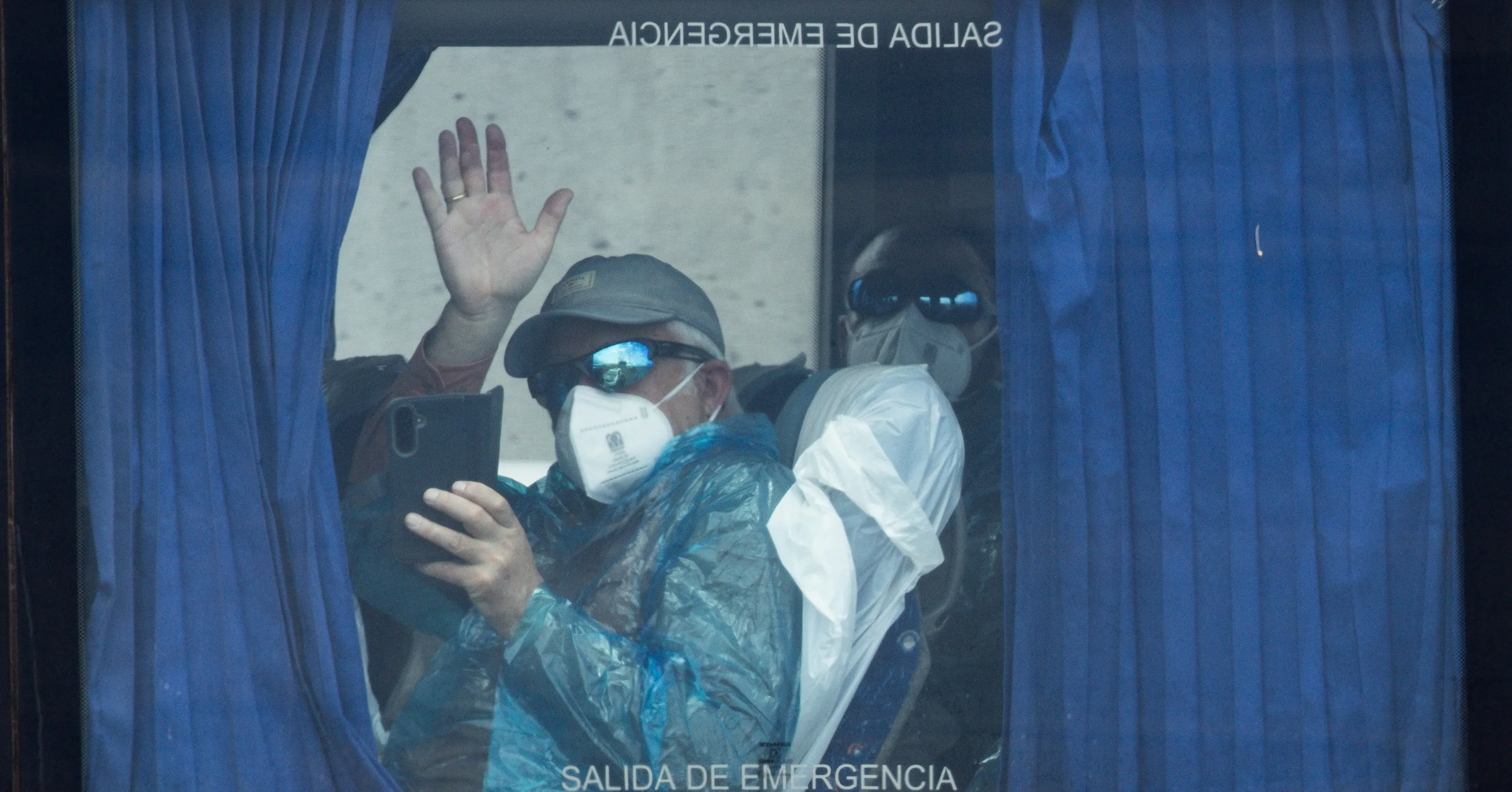
Moderna has confirmed a continued collaboration with the Vaccine Innovation Center of Korea University College of Medicine to develop a new mRNA vaccine for hantavirus. The project, which was formalised in September 2023 under the company's mRNA Access initiative, aims to create a broad-spectrum immunisation effective against multiple strains. This specific partnership focuses on the Andean hantavirus variant identified in a recent outbreak on the MV Hondius cruise ship.
While the recent outbreak has renewed global attention on the pathogen, Moderna emphasises that the work predates this specific event. The initiative supports academic teams researching emerging or neglected infectious diseases, providing preclinical-stage mRNA vaccine candidates to researchers. In this arrangement, the Korean team provides the hantavirus antigenic sequence information, while Moderna supplies the corresponding mRNA material.
Preliminary results from early-stage research were released in February 2025, where a team led by Park Man-sung confirmed that experimental doses successfully prevented hantavirus infection in mice. These findings offer early validation of the approach, though the vaccine remains in the preclinical phase with no human trials scheduled yet. The distance between these mouse trials and a licensed vaccine for humans remains considerable, particularly given the diversity of hantaviruses and the need to design a candidate capable of protecting against multiple regional variants.
The recent outbreak on the MV Hondius, which resulted in at least three deaths, has prompted Moderna to highlight its ongoing work despite the project initiation timeline. The company is also developing mRNA vaccines against avian influenza, noroviruses, and other pathogens considered priorities for pandemic preparedness. The WHO has ruled out that the Hondius outbreak represents the beginning of a wider epidemic, noting that human-to-human transmission occurs only with very close contact.
Following the announcement of the collaboration and the recent cruise ship outbreak, Moderna's share price rose from $49 to $55 overnight. Analysts attributed this move to the validation of the company's technological platform rather than immediate commercial expectations. This reaction occurred in a US political context that has become less favourable to mass vaccination campaigns, yet the data added to the outbreak news boosted shares by almost 20 percent.
The current outbreak has underscored the lesson from the Covid-19 pandemic that the best time to develop a vaccine against a dangerous virus is before it becomes a global emergency. While there is currently no vaccine to prevent Andean hantavirus infection in Europe, the United States, or Latin America, this international collaboration seeks to overcome the limitations of previous-generation methods. The project faces major funding and regulatory hurdles before human trials can begin, but it represents a significant step in addressing a pathogen that causes around 50,000 serious and often fatal infections worldwide each year.