MLB clubhouses embrace Pokémon trading cards as social unifier
From injury recovery to clubhouse rituals, Major League Baseball players are finding common ground in the $115 billion franchise, transforming a niche hobby into a mainstream pastime.
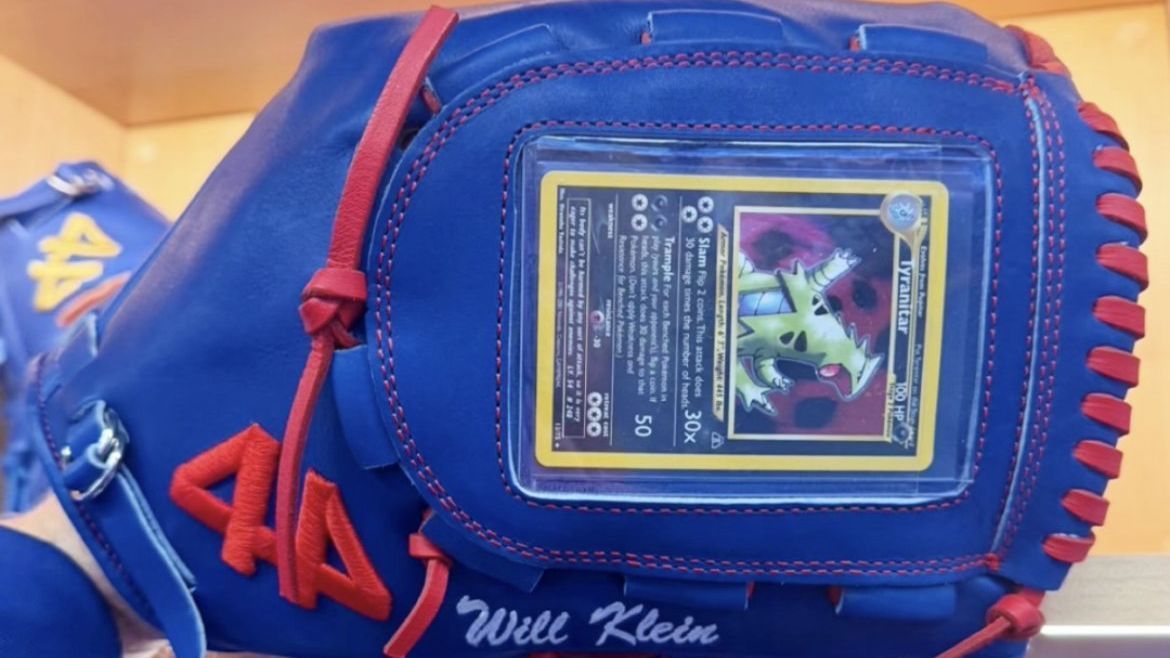
Major League Baseball players are increasingly utilising Pokémon card collecting as a mechanism for team bonding and stress relief, shifting the hobby from a niche interest to a clubhouse staple. Atlanta Braves pitcher Chris Sale and Milwaukee Brewers pitcher Jacob Misiorowski have emerged as prominent figures in this trend, using the collectibles to navigate the pressures of professional sport and foster camaraderie among peers.
Sale began his collection in September 2022 while recovering from fractures to his rib, wrist, and pinky. Seeking an outlet during a period of enforced inactivity, he purchased a 1999 Base Set Charizard on eBay. He has since amassed thousands of graded cards, primarily PSA 10s, which he stores in an attic space he refers to as his "Pokémon lair." The collection has become a significant part of his life, with Sale noting the competitive allure of the chase and the satisfaction of completing sets.
Misiorowski has integrated the hobby into his personal and professional life, decorating his basement bathroom in a Pokémon theme and wearing custom gloves with transparent pockets to carry cards. His enthusiasm was highlighted at the recent All-Star Game, where Sale gifted him a Lugia card to help him feel more comfortable after being named a replacement for an injured teammate. This gesture underscored how the hobby facilitates social connections and breaks down barriers between players.
The trend extends beyond these two pitchers, with players from various clubs, including the Los Angeles Angels, Texas Rangers, Chicago Cubs, San Diego Padres, and Los Angeles Dodgers, openly embracing the pastime. Pack-opening sessions in clubhouses have become common, with players like Misiorowski, Brandon Woodruff, Rhys Hoskins, and Trevor Megill creating moments of shared excitement when rare cards are revealed. These interactions help reduce the stigma previously associated with the hobby, positioning MLB players at the forefront of celebrity collectors.
The financial scale of the market reflects the franchise's massive growth, which began as video games in 1996 and is now valued at $115 billion. High-value transactions, such as the sale of a Pikachu Illustrator card for $16.5 million, highlight the economic significance of the collectibles. For players like Sale, the hobby offers a parallel pursuit of excellence, with the same dedication applied to grading and acquiring cards as is applied to their athletic performance.