MLB challenge system reshapes 2026 season statistics and strategy
Teams exhibit vast disparities in challenge frequency, while catcher pitch-framing value drops by nearly 20 per cent and walk rates hit a 25-year high.
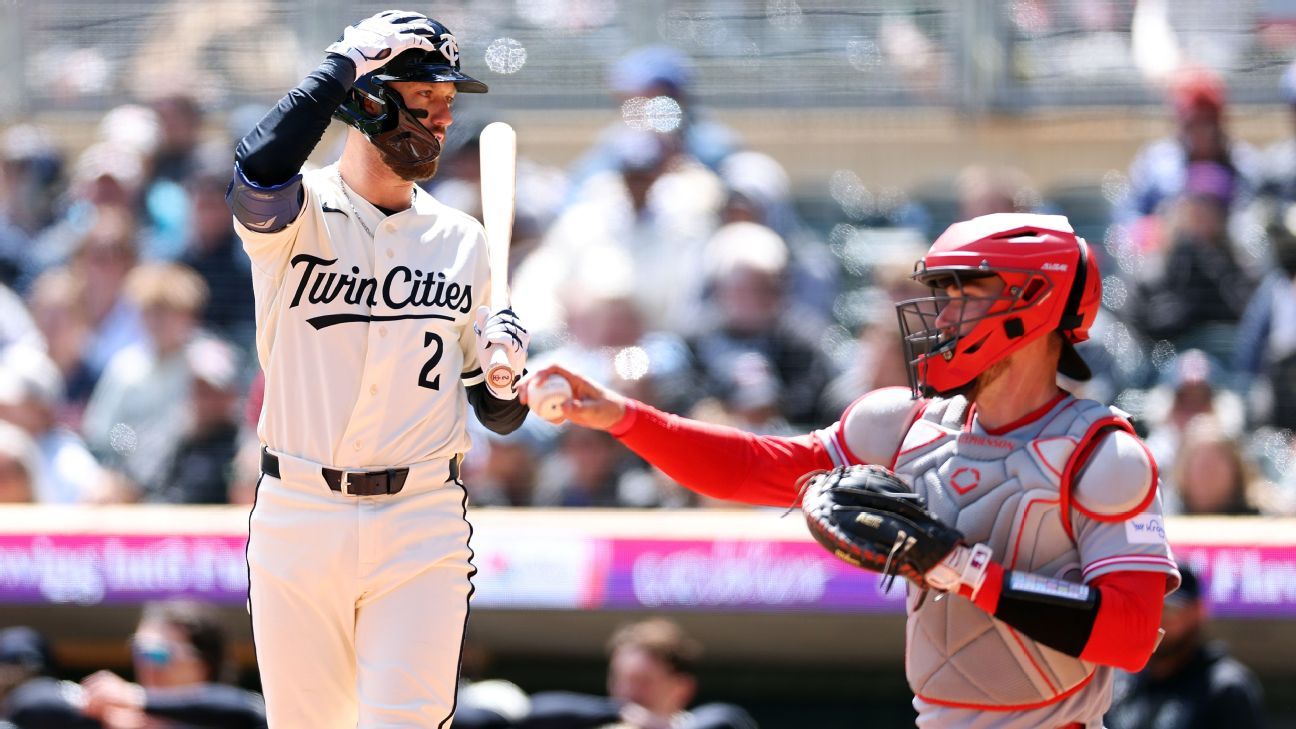
Early data from the 2026 Major League Baseball season indicates that the automated ball-strike challenge system has become a normalised component of the game, fundamentally altering statistical trends and team strategies. According to a report by ESPN, the system is now embedded in the daily operations of the league, with managers and players adapting to the new protocols with surprising speed. Tampa Bay Rays manager Kevin Cash noted that despite the novelty of the technology, the system feels like it has been in place for some time, marking a significant shift in officiating standards.
The implementation has created vast disparities in how teams utilise the challenge mechanism. The Minnesota Twins have been the most liberal challengers, leading the league with 124 challenges, while the Boston Red Sox have been the most conservative with just 63. Strategic approaches also vary significantly; the Miami Marlins lead in defender challenges with 90, largely driven by their catchers, whereas the Baltimore Orioles prioritise hitter challenges. These divergent philosophies suggest teams are still in a feeling-out period, though the statistical impact of these choices is already evident.
Financially, the value of catcher pitch-framing has declined by nearly 20 per cent, dropping from 0.704 to 0.565 runs per 100 innings. This reduction in the strategic value of framing has coincided with a league-wide walk rate of 9.4 per cent, the highest level recorded since the 1990s. Conversely, offensive output has declined, with batting averages falling to .241 and home run rates dropping to 2.8 per cent. The strike zone percentage has also hit a 17-year low of 47.3 per cent, contributing to a decrease in swing rates and a depressed BABIP of .288.
Despite the statistical shifts, the overall reception of the system remains largely positive, with minor friction arising primarily from umpiring inconsistencies regarding challenge protocols. Managers have noted variations in how different crews enforce timing and helmet tap locations, leading to occasional disputes. However, these issues are expected to be resolved as officials and teams continue to learn the nuances of automated officiating. The Chicago Cubs’ Carson Kelly has emerged as a standout performer, gaining 2.6 runs above expectation through challenges, highlighting the individual impact of the new system.
As the season progresses, the long-term effects of the automated ball-strike challenge system will likely become clearer. While the initial data points to a game defined by more walks and less offensive explosion, the structural changes introduced by the system are already influencing how teams approach gameplay. The adjustment period appears to be settling into a new normal, with the league adapting to the increased precision of ball-strike calls.