MIT unveils physics-based virtual violin tool to aid luthier design
Engineers at MIT have published a breakthrough simulation in *npj Acoustics* that allows makers to predict how material changes affect sound, marking a shift from traditional experience-based crafting to data-driven design.
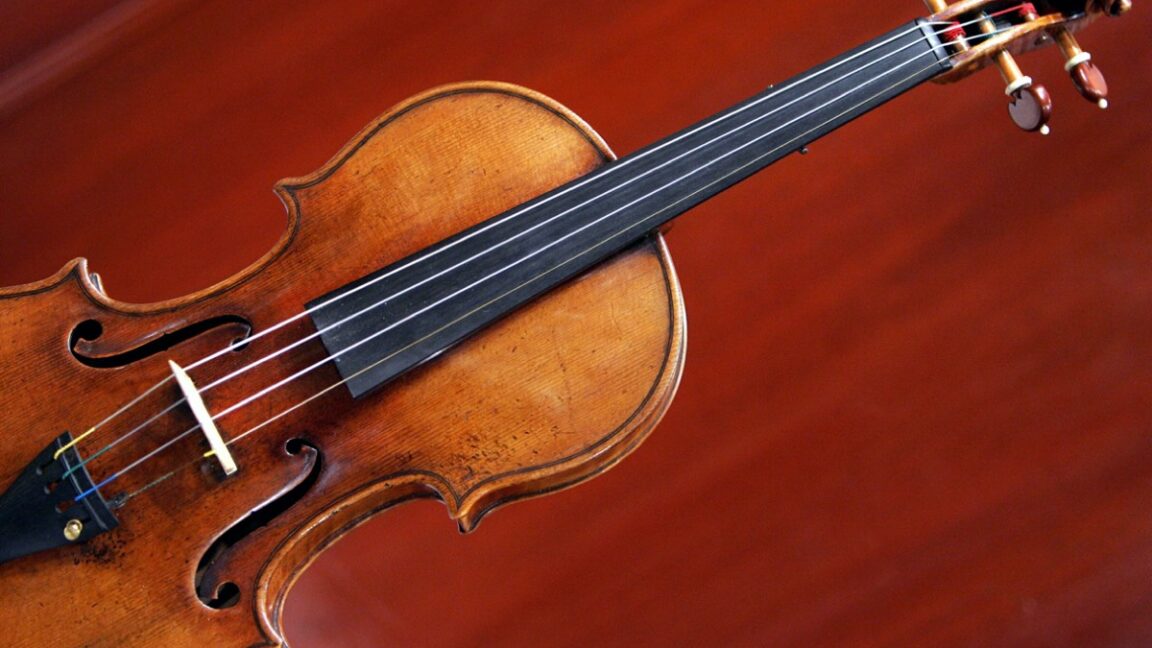
Engineers at the Massachusetts Institute of Technology have developed a computational model designed to assist luthiers in the early stages of instrument design. Published in the journal *npj Acoustics*, the tool utilises physics-based modelling rather than audio sampling to simulate the fundamental physics of a violin. By importing high-resolution 3D scan data of a 1715 Stradivarius known as the "Titian", sourced from the Strad3D project, the software breaks the instrument down into millions of cubes to model material interactions and acoustic wave equations.
Unlike common software programs that simulate violin sounds by averaging thousands of recorded notes, the MIT model relies on the laws of physics to predict how materials interact. Users can tweak parameters such as wood type and body thickness to hear the resulting acoustic effects via a plucked string simulation. This approach aims to streamline the traditionally experience-dependent crafting process by allowing makers to test design variables before physical construction begins.
Co-author Nicholas Makris emphasised that while the tool helps understand the physics of violin sound, it does not claim to reproduce the "artisan's magic" inherent in traditional craftsmanship. The simulation successfully reproduced a realistic sound of a plucked string and played several notes from Bach's "Fugue in G Minor" and "Daisy Bell". However, the team has not yet achieved the ability to simulate bowing, citing it as a much more complicated interaction that remains the focus of future research.
The study builds upon decades of research into the acoustic complexity of instruments from the so-called "Golden Age", particularly those crafted by Antonio Stradivari. Previous investigations have explored variables such as wood density, varnish composition, and growth rings, with the Strad3D project providing the quantitative measurements necessary for this new modelling approach. The MIT team used this data to generate a 3D model where they noted specific materials used in each cube, such as the kind of wood making up the back plate or the type of string employed.
By running simulations that predict how those materials would move and interact relative to every other element in the violin, including the surrounding air, the researchers created a virtual instrument capable of generating sound through physical laws. Makris noted that since everything obeys the laws of physics, this approach can add an appreciation to what makes a violin sound, though he acknowledged that most inspiration still comes from the artisans themselves.
The tool is currently designed for early design prediction and material interaction analysis, rather than for final quality assurance of finished instruments. It represents a significant step in applying computational methods to a field that has long been dominated by intuition and hands-on experience, offering a new avenue for exploring the secrets behind superior acoustic performance.
