MIT Technology Review highlights laser nuclear fuel and organ preservation breakthroughs
Global Laser Enrichment prepares for large-scale trials while researchers achieve days-long organ storage without ice damage

MIT Technology Review’s The Download newsletter has outlined two significant technological developments, focusing on advancements in nuclear energy and biotechnology. The publication details Global Laser Enrichment’s (GLE) preparation to test laser enrichment technology at a commercial scale, alongside a research team’s success in supercooling pig kidneys for several days without ice crystal formation.
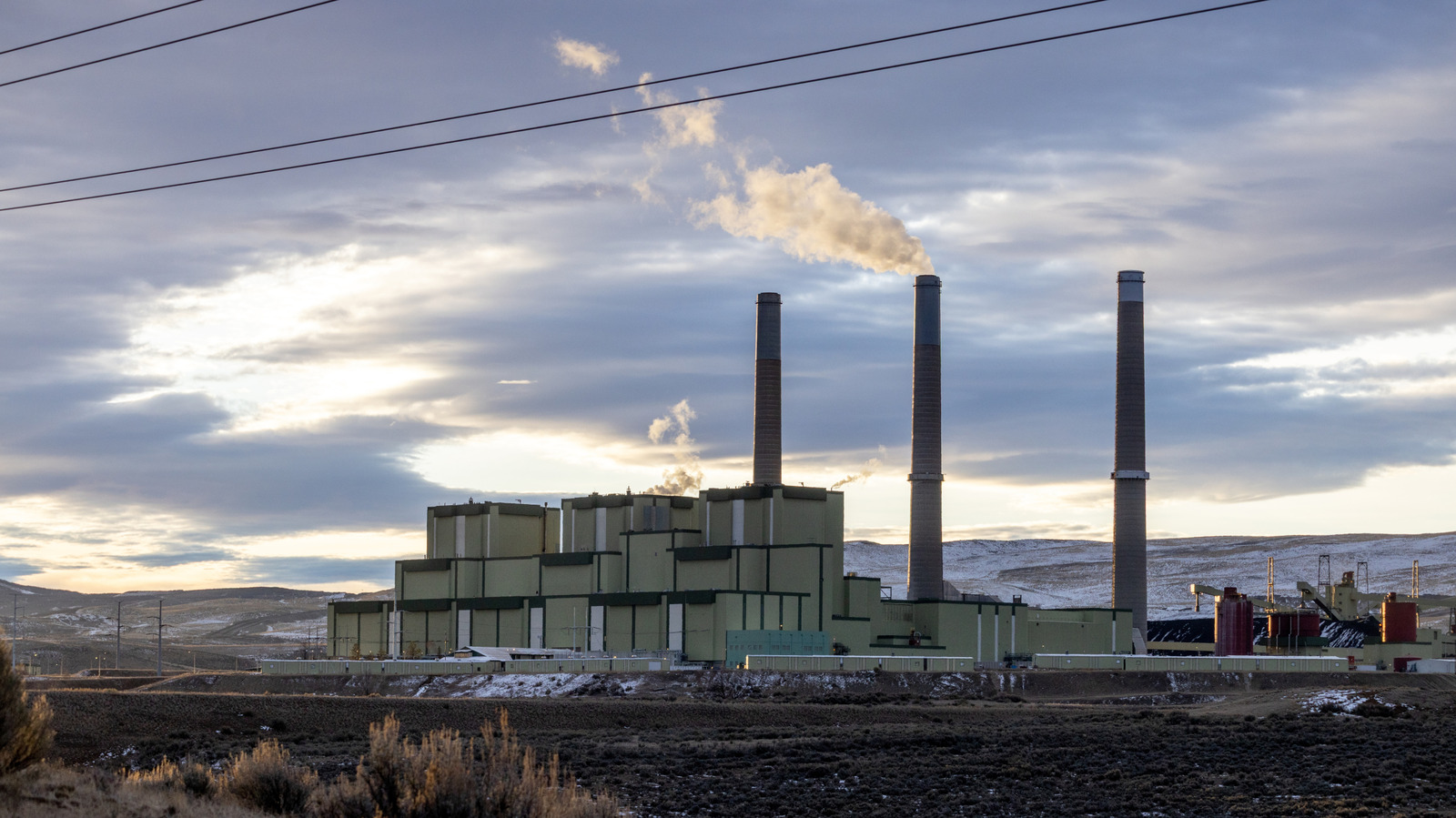
Nuclear power currently accounts for approximately nine per cent of global electricity, a figure expected to rise as nations expand reactor infrastructure. To support this growth, cheaper fuel acquisition methods are critical. GLE’s laser enrichment process aims to separate uranium from old nuclear waste, potentially lowering fuel costs for new reactors. The company is now preparing to determine if the technology functions effectively at a commercial scale.
In the field of biotechnology, researchers have addressed a longstanding challenge in organ preservation: the damage caused by ice crystals during freezing. A team successfully supercooled pig kidneys to minus four degrees Celsius for several days. The organs were subsequently reimplanted into pigs, marking a notable advance in preserving biological tissue without the structural damage typically associated with freezing.
The newsletter also covers broader technological and geopolitical developments. Silicon Valley remains divided over the debate between open and closed artificial intelligence models, with major firms such as Nvidia, Microsoft, and Meta warning that restrictions on open models could be counterproductive. Meanwhile, geopolitical tensions persist, including reports of an Iranian strike on CIA facilities and questions regarding Russian involvement.
Other stories highlighted in the edition include surging wildfires across Europe, which forced the evacuation of a NASA tracking station in Spain, and a fatal incident in a Chinese gene-editing trial involving a six-year-old girl. Experts have stated that the trial should not have proceeded, while other reports note that the FCC’s ban on foreign-made drones is failing to alter global supply chains.