MIT researchers develop low-cost lithium extraction process from spodumene ore
A collaboration between the Massachusetts Institute of Technology and Boston-area companies has engineered a chemical process that extracts lithium from rocks at significantly lower costs than traditional roasting methods, while generating valuable byproducts.
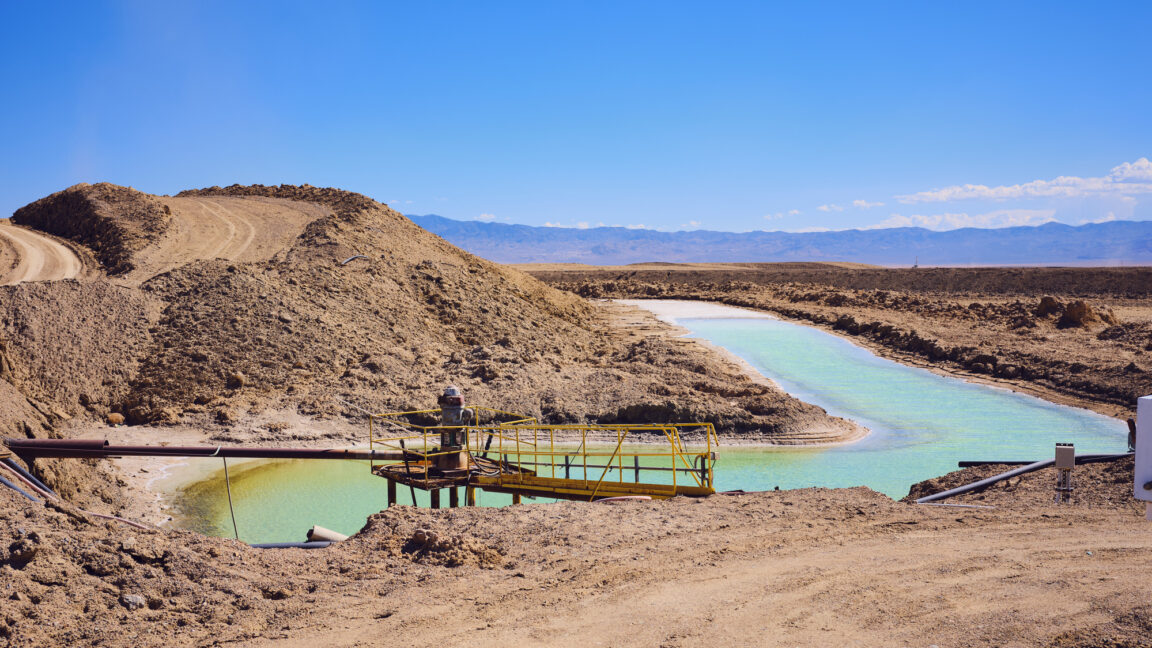
Researchers from the Massachusetts Institute of Technology (MIT) and several Boston-area companies have developed a novel, energy-efficient method for extracting lithium from spodumene ore, the most abundant lithium ore globally. The findings, published in the journal Science, detail a process that utilises ammonium fluoride dissolved in water at approximately 70°C, significantly reducing the energy requirements compared to traditional methods that require heating minerals to roughly 1,000°C and using sulfuric acid. This approach eliminates sulfur-containing waste and regenerates key chemicals, presenting a viable alternative to the current supply chain dominated by South American brine extraction.
The new technique addresses the high energy costs and environmental impact associated with conventional spodumene processing. Traditional methods involve roasting the mineral at extreme temperatures followed by leaching with sulfuric acid, which leaves behind significant sulfur-containing waste. In contrast, the MIT-developed process uses ammonium fluoride in an aqueous solution to prevent the production of dangerous hydrogen fluoride gas during the initial reaction. This allows for the recovery of lithium fluoride, which can be converted into lithium nitrate or used directly in battery electrolyte production, without the need for the initial high-temperature disruption of the mineral structure.
Beyond lithium, the process yields high-purity aluminium oxide and silicon dioxide as sellable byproducts. The aluminium oxide produced is over 98% pure and suitable for aluminium metal production, while the silicon dioxide is effective at strengthening concrete. The extraction time for lithium from spodumene in experimental settings has been reduced to under 12 hours. The process is described as a "nose-to-tail" mining approach, extracting multiple valuable materials from the ore in a closed loop where key chemicals are regenerated.
Economic evaluations estimate the new process costs just over $5,000 per tonne, potentially dropping below $4,000 with byproduct sales, making it competitive with brine extraction. This stands in sharp contrast to the existing roasting and sulfuric acid process, which costs just under $9,000 per tonne. The cost reduction is driven by lower energy inputs and the revenue generated from the sale of aluminium and silicon products. While the process still requires elevated temperatures for subsequent purification steps, the overall energy profile is markedly improved.
A startup named Rock Zero is currently moving to commercialise this MIT-developed technique. The development comes at a critical time, as the US Geological Survey has identified extensive lithium oxide deposits in pegmatite rocks in the Northeast US, yet economically extractable lithium remains largely limited to brines in South America. By enabling cost-effective extraction from rock sources, this technology could help diversify global lithium supplies and reduce supply chain vulnerabilities, provided the process can be scaled effectively in industrial settings.
