Minnesota prediction market ban faces CFTC challenge over agricultural hedging
Governor Tim Walz signs legislation targeting platforms like Kalshi and Polymarket, but US Commodity Futures Trading Commission has sued to block enforcement ahead of August 1 start date.
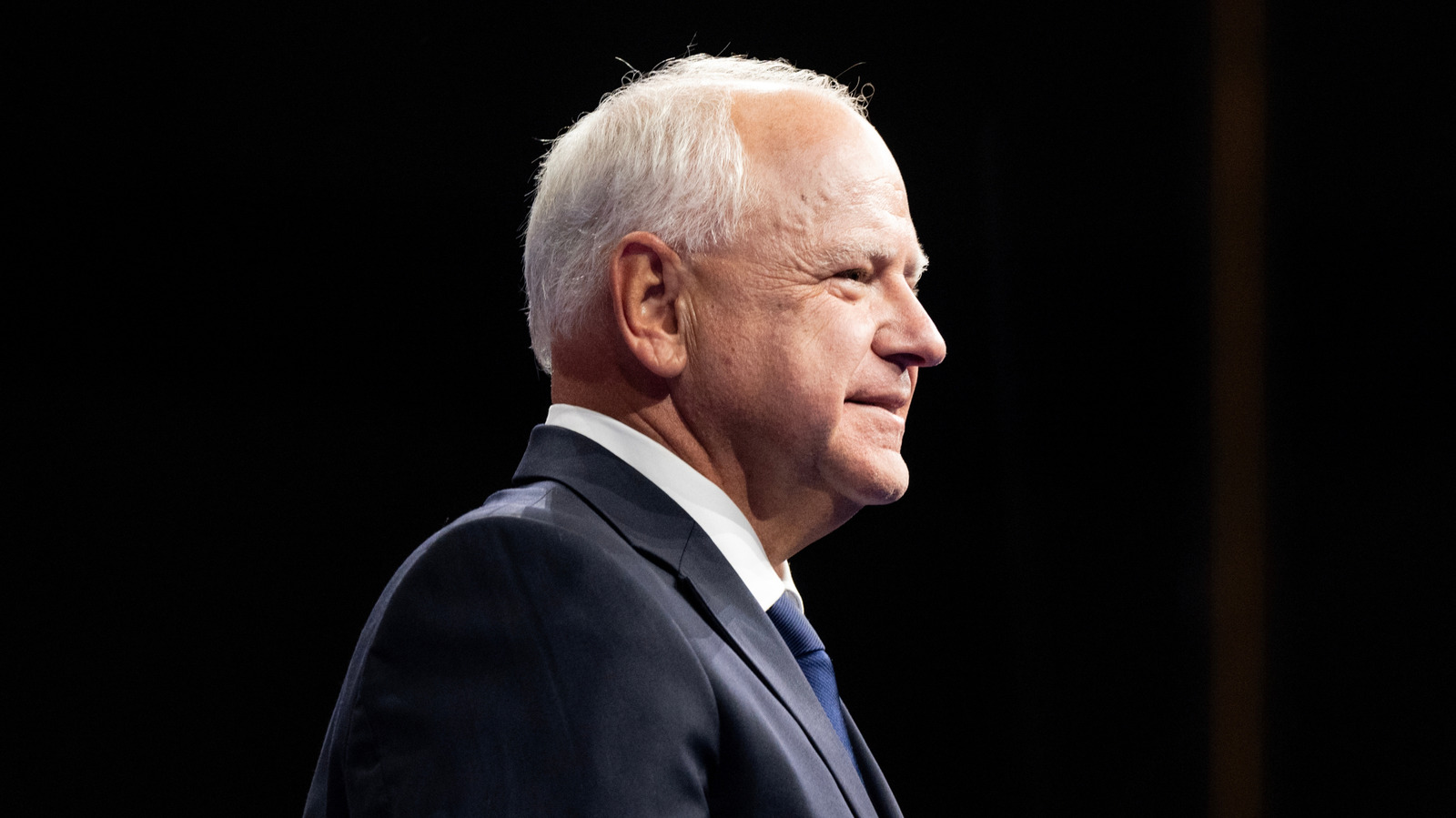
Minnesota Governor Tim Walz has signed legislation prohibiting prediction markets, including platforms such as Kalshi and Polymarket, within the state. The ban, which includes various public safety provisions, is scheduled to take effect on 1 August. However, the law is already facing immediate legal opposition from the US Commodity Futures Trading Commission (CFTC), which has filed a lawsuit to prevent its enforcement.
This legislative move marks the first instance of a state attempting to regulate prediction markets through statute rather than litigation. Previously, states have pursued legal cases against these businesses, but those efforts have not been successful. Three other states that initiated legal action were sued by the CFTC, which asserts that it holds exclusive federal authority to oversee prediction markets. The regulator also filed an amicus brief last week to intervene in a separate lawsuit in Ohio.
In the Minnesota case, the CFTC’s legal argument centres on the impact of the ban on agricultural hedging. The regulator contends that the law interferes with farmers’ ability to make weather-related predictions to hedge against crop losses. This specific focus distinguishes the federal challenge from previous state-level disputes.
The Minnesota law is part of a broader bill signed by Walz that included multiple public safety measures. Despite the immediate legal challenge from the CFTC, there are indications that the legislation may be modified to address federal concerns.
An updated version of the bill, which includes an exception for weather-related agricultural predictions, is expected to be approved. This potential amendment suggests a pathway to reconcile state regulatory interests with the CFTC’s stance on federal oversight and agricultural risk management.
