Minnesota GOP rejects Trump’s Lindell endorsement over electability and financial concerns
The Minnesota Republican Party has formally distanced itself from President Donald Trump’s backing of Mike Lindell, citing significant risks to the party’s chances in the upcoming general election.
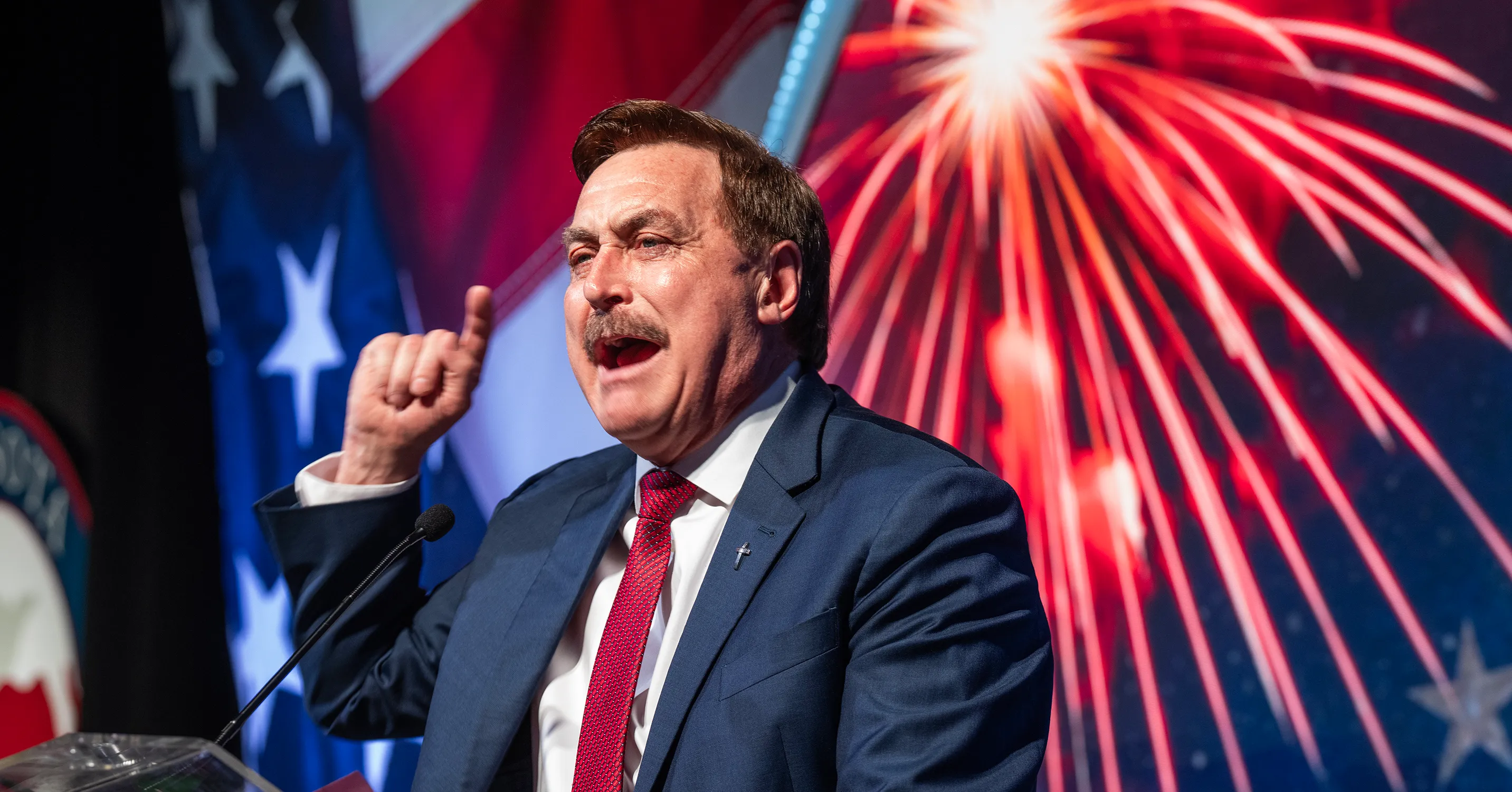
The Minnesota Republican Party has issued a strong rebuke of President Donald Trump’s endorsement of MyPillow founder Mike Lindell for governor, citing the candidate’s lack of political experience, financial history, and concerns regarding his electability. Party chairman Alex Plechash stated that the leadership was surprised by the president’s support, arguing that the party cannot afford to nominate a ticket that provides Democrats with an easy target in the general election.
Plechash highlighted specific financial liabilities, noting public records showing tens of thousands of dollars in delinquent property taxes owed by Lindell. The party also pointed to Lindell’s relocation to Texas during the tenure of Governor Tim Walz, suggesting a lack of commitment to the state. Lindell, who is currently the frontrunner for the Republican nomination ahead of the 11 August primary, has stated that he has now paid nearly $48,000 in property taxes on his Tonka Bay home and registered to vote in Minnesota only in the week prior to the reporting.
The conflict between the state party and Lindell’s campaign stems from a disagreement over the party’s previous endorsement of Kendall Qualls. The Minnesota GOP confirmed that Lindell’s campaign refused to abide by that endorsement, resulting in the withholding of certain resources, a policy applied to all campaigns that did not follow the party line. Lindell has accused the state party of obstructing his campaign by failing to provide a list of delegates and blocking his attendance at debates and forums.
Political analyst Blois Olson described the party’s reaction as a delicate balancing act. Olson noted that while the party must avoid angering Trump and his fervent supporters, there is significant internal concern that Lindell’s nomination could demoralise Republicans and lead to losses in down-ballot races. The party faces a difficult general election against likely Democratic nominee Amy Klobuchar, and many believe Lindell stands little chance of challenging her in November.
Lindell, who has spent millions of dollars promoting election conspiracy theories and has faced defamation lawsuits from voting machine companies, continues to express confusion over the party’s hostility. He speculated that the state leadership may be afraid of his connection to Trump or motivated by internal political calculations. Despite the friction, Lindell remains the favourite to secure the Republican nomination, leaving the state party to navigate the fallout of the president’s intervention.
