Millions cast ballots in May local elections across England, Scotland and Wales as government faces key test
Conservative leader Kemi Badenoch urged voters to support a platform of lower taxes and increased policing amid the most significant electoral challenge for the Labour government since the 2024 general election
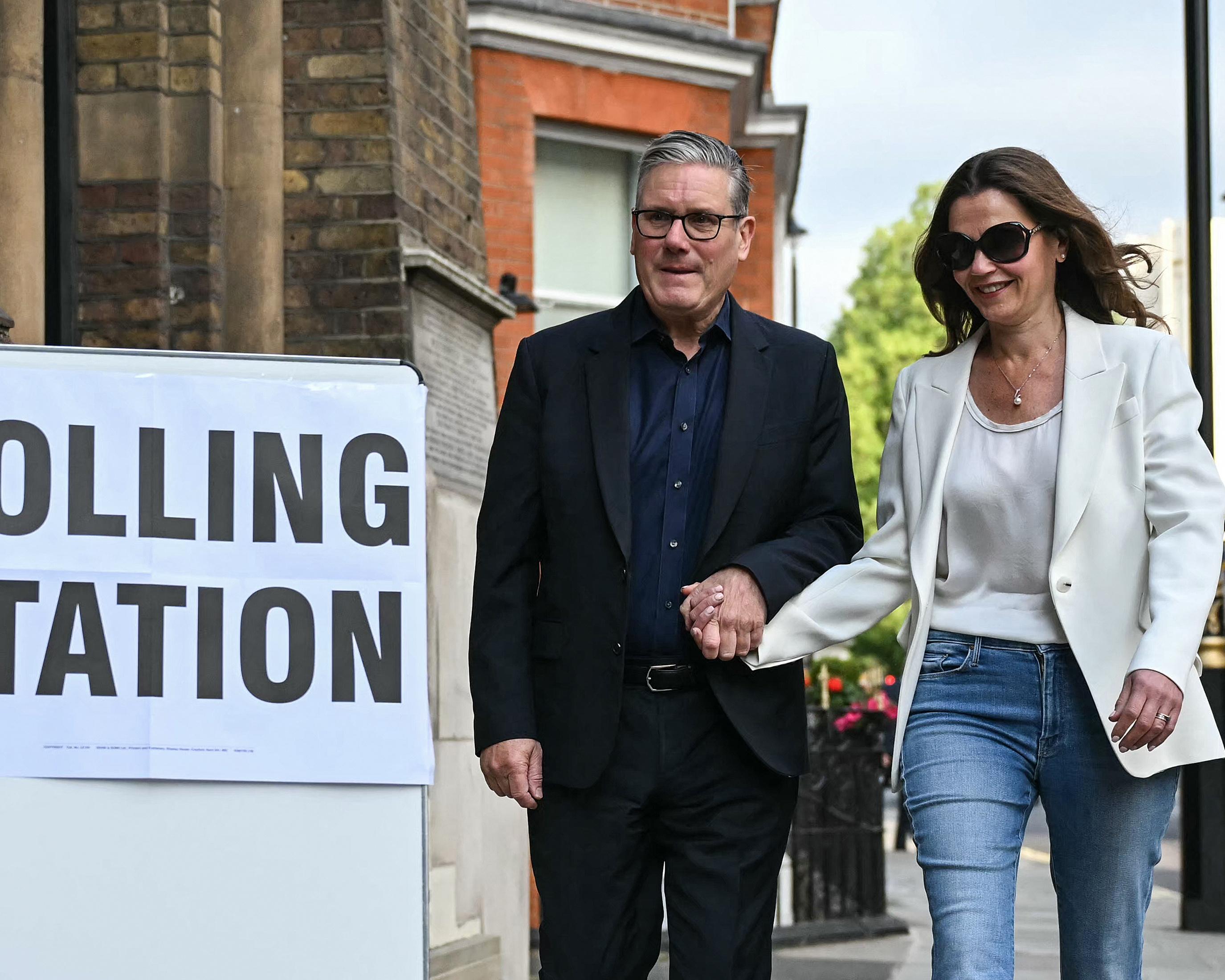
Millions of voters across England, Scotland and Wales cast their ballots on 7 May 2026 in what marks the most significant electoral test for the Keir Starmer-led Labour government since the 2024 general election. The scale of the exercise involved simultaneous contests at multiple levels of government, with polling stations opening for local, mayoral and parliamentary races.
In England, the electorate chose approximately 5,000 councillors and six mayors across 136 councils. Meanwhile, in Scotland, voters selected 129 Members of the Scottish Parliament, while 96 members of the Senedd were elected in Wales. The results of these elections are expected to reveal deep fractures within the governing coalition, particularly in regions where the party has historically relied on support.
Conservative leader Kemi Badenoch addressed voters directly as they headed to polling stations, urging support for the party's platform. She framed the contest as a stark choice between a Conservative council delivering better services and lower taxes, or the alternative options currently offered by Labour and Reform. Badenoch stated that the party had acknowledged past errors and was now implementing a plan to deliver a stronger economy.
The campaign messaging from the Conservative party focused on specific policy pledges intended to address public sentiment regarding taxation and public safety. Badenoch promised cheaper energy bills, the abolition of stamp duty on family homes, and the reduction of business rates for the high street. Additionally, the party committed to taking back the streets by deploying 10,000 additional police officers and ending what they described as the war on motorists.
Analysts suggest that the outcome of these local contests could have significant consequences for the Labour party's recovery. Heavy losses in Wales and Scotland, where the stakes are particularly high, would raise questions about the administration's ability to maintain its coalition. The extent of any losses remains unknown until the polls close and results are tallied, but the event serves as a critical barometer for public sentiment regarding the current administration.
While the specific outcomes of the elections have not yet been confirmed in the available reporting, the commencement of voting has set the stage for a detailed analysis of governance and policy direction. The focus remains on how the electorate responds to the competing platforms offered by the major parties in this pivotal round of local and regional elections.