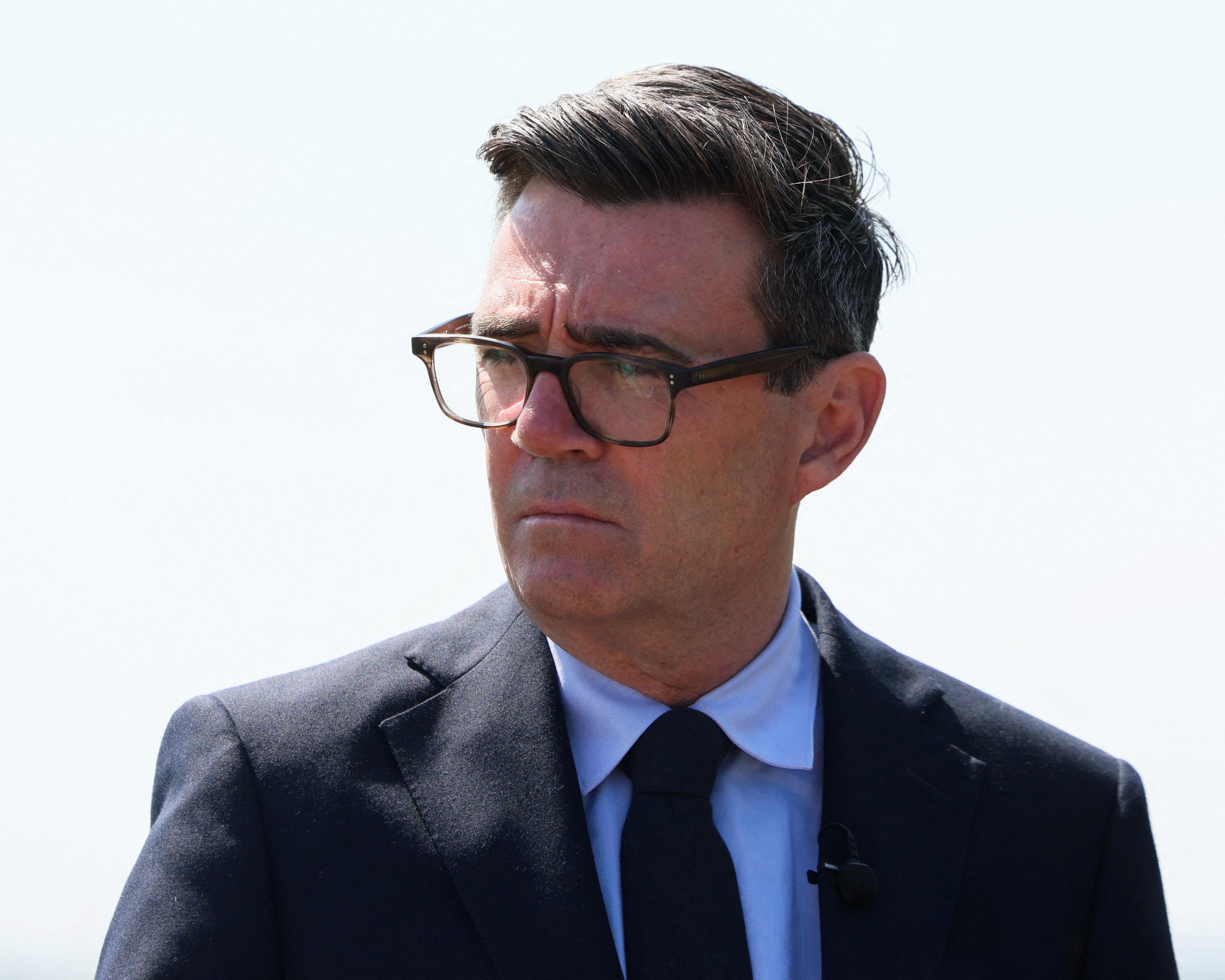
Miliband assumes World Bank seat to anchor climate and development in UK foreign policy
Ed Miliband takes direct control of UK governor role, aiming to counter Trump administration pressure and restore leadership on climate finance amid shrinking budgets.
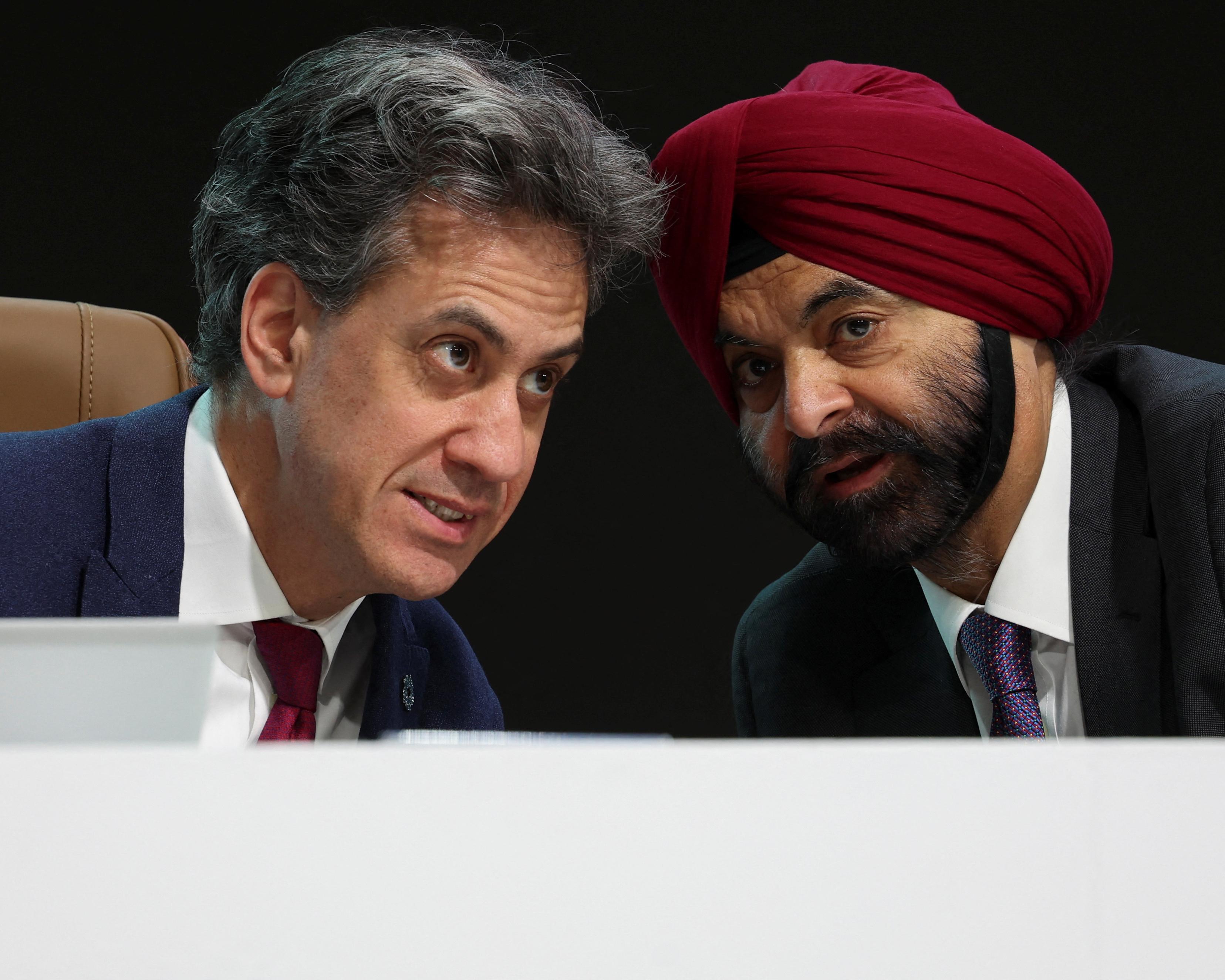
UK Foreign Secretary Ed Miliband will personally assume the United Kingdom’s seat on the World Bank board, a departure from the convention of delegating the role to a junior minister. The move signals that climate crisis response and overseas development will remain central to British foreign policy under Prime Minister Keir Starmer. Miliband intends to shape reforms demanded by developing nations and maintain climate finance as a core priority, despite significant domestic cuts to the aid budget and pressure from the Trump administration to reverse previous climate finance goals.
Miliband, who previously served as energy and net zero secretary, stated that international development is not an add-on to British foreign policy but central to it. By taking on the role of UK governor, he aims to send an unambiguous signal that the government is serious about its global leadership on development and climate. The UK is one of six countries with its own seat on the World Bank board, and Miliband’s direct involvement is intended to ensure the institution remains a focal point for climate action.
The appointment comes at a critical juncture for the international lender, which has faced heavy pressure from the Trump administration to reverse its focus on climate finance. Last month, the publicly funded bank scrapped its goal for 45% of its finance to be directed to climate-related ends. Experts have welcomed Miliband’s decision as a boost to climate action, with Lord Stern, a professor of economics at the London School of Economics, noting that the move restores development and climate to the priority they must have in international relationships.
However, Miliband faces a shrinking aid budget and tough decisions over allocation. Prime Minister Keir Starmer slashed overseas aid to 0.3% of gross national income, a sharp reduction from 0.5% under the Conservatives and the 0.7% reached under the last Labour government. Climate finance was also cut by 14%, from £11.6bn a year in 2021 to £2bn in 2026. These reductions have drawn criticism, including from Prime Minister Andy Burnham, who faced backlash for proposing to fund a £2 cap on bus fares in England by converting international climate finance grants into repayable loans for the Tropical Forests Forever Facility.
As the UK prepares to take over the leadership of the G20 group in November, the government must navigate competing priorities. Rachel Kyte, the UK’s climate envoy, highlighted concurrent global risks, including a severe El Niño and potential energy and food security crises. Jonathan Hall of Conservation International UK urged the government to rescind cuts to nature protection funding and reintroduce a target for a third of the climate aid budget to finance natural ecosystems, arguing that ecosystem collapse overseas threatens national security.