Middle East tensions persist as Trump rejects peace bid, driving up global energy costs
The ongoing hostilities, now entering their second month, have triggered a noticeable spike in oil and gas prices across the United States and internationally.
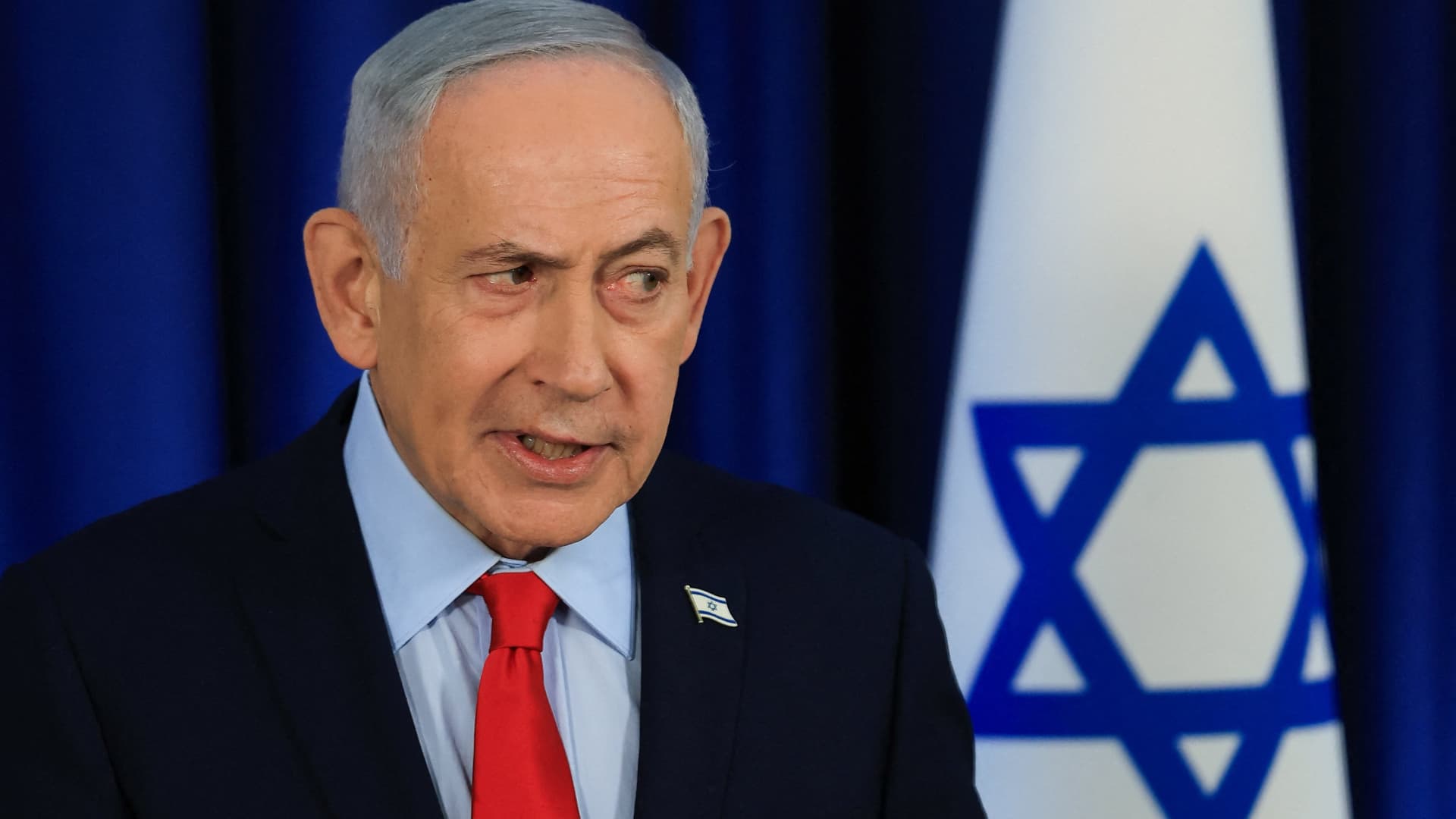
Israeli Prime Minister Benjamin Netanyahu has publicly declared that the war with Iran is not over, despite the conflict dragging into its second month. This statement underscores the continued volatility in the region as diplomatic efforts appear to have stalled.
Concurrently, US President Donald Trump has rejected a latest peace offer presented by Iran. The refusal of this proposal suggests that the path to a resolution remains elusive, leaving markets to brace for further uncertainty in the Middle East.
The sustained hostilities between the two nations have already begun to impact global energy markets significantly. Reports indicate that the ongoing war has caused oil and gas prices to rise sharply in the United States and around the world.
This spike in energy costs comes at a critical time, as the second month of the conflict marks a prolonged period of instability. The immediate financial repercussions are being felt by consumers and businesses alike, with the cost of fuel and heating showing a marked increase.
While the specific terms of the Iranian offer rejected by President Trump were not detailed in the initial reports, the outcome is clear: the US administration has declined the proposal. This decision reinforces the current stance that the diplomatic window for a quick settlement has closed for now.
As the situation evolves, investors and institutions will be watching closely for any further developments that could influence energy prices or alter the strategic landscape of the region. The interplay between geopolitical conflict and market dynamics remains a primary focus for financial analysts.