Microsoft unveils Surface RTX Spark Dev Box and Linux integration at Build
The Surface RTX Spark Dev Box arrives as a successor to the 2023 Windows Dev Kit, featuring up to 128GB of memory and an aluminium heatsink design.
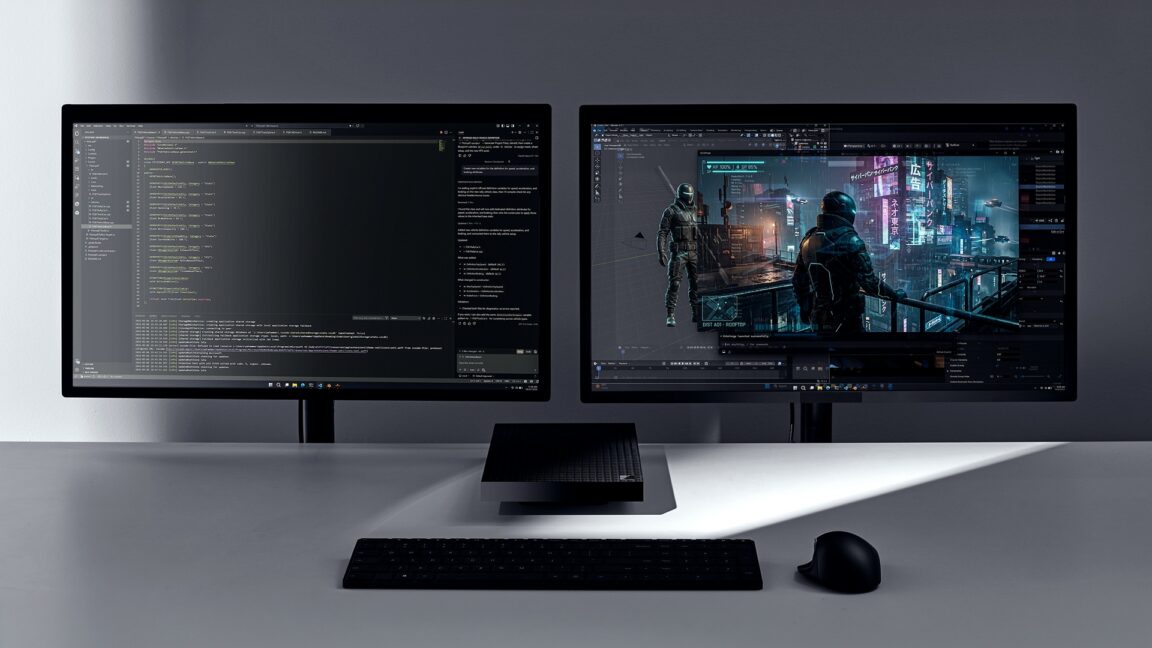
Microsoft has expanded its developer hardware and software ecosystem at its Build conference, introducing the Surface RTX Spark Dev Box and significant Windows 11 enhancements. The new hardware, powered by Nvidia’s RTX Spark chip, serves as a successor to the 2023 Windows Dev Kit (Project Volterra), which utilised a Qualcomm Snapdragon 8cx Gen 3 chip. This shift marks a move from Arm-based architecture to Nvidia’s silicon for dedicated development units.
The Surface RTX Spark Dev Box features an aluminium casing that doubles as a heatsink and comes preloaded with Windows 11 Pro. The compact desktop PC includes up to 128GB of memory and is configured with developer-centric default settings and preinstalled tools. While specific pricing for the new Dev Box was not detailed in the provided material, Nvidia’s similarly specced DGX Spark box is priced at $4,699. The 2023 Windows Dev Kit was essentially a system board from a Surface Pro tablet placed in a plastic box and cost $600.
On the software front, Microsoft is deepening Linux integration on Windows. Key announcements include a native version of Linux coreutils to improve script compatibility, the ability to run the Windows Subsystem for Linux (WSL) inside containers, and "Windows Developer Configurations" for streamlined environment setup. The WSL-in-containers feature is scheduled to arrive in the coming months.
A new feature called "Windows Developer Configurations" uses the WinGet tool to set up a distraction-free development environment with VS Code, GitHub Copilot, WSL, and PowerShell 7 via a single command. This aims to reduce setup friction for developers working across different Windows 11 devices.
Microsoft also introduced Microsoft Execution Containers (MXC), an enterprise-grade sandboxing environment designed to restrict system access for AI agents. The system allows specific agents to be given specific instructions, with Windows continuously enforcing those restrictions. The GitHub repo for MXC notes that it provides multiple containment backends that can contain other plugins and tools beyond AI agents.
Microsoft’s recent opening keynotes have focused overwhelmingly on AI and related technologies, including announcements for AI models and scanning systems. However, these new developer tools and hardware offerings suggest a continued effort to support the technical infrastructure required for modern software development.
Arm-based Surface devices launched in 2024 benefited from Prism, an x86-to-Arm code translation technology, and increased Arm-native third-party apps. The transition to the RTX Spark Dev Box represents a further evolution in how Microsoft supports developers working with different architectures and AI-driven workflows.