Microsoft unveils Surface Laptop Ultra and RTX Spark Dev Box for local AI workloads
The Surface Laptop Ultra prioritises performance and display brightness, while the Dev Box offers sustained thermal output for developers. Both devices arrive later this year.
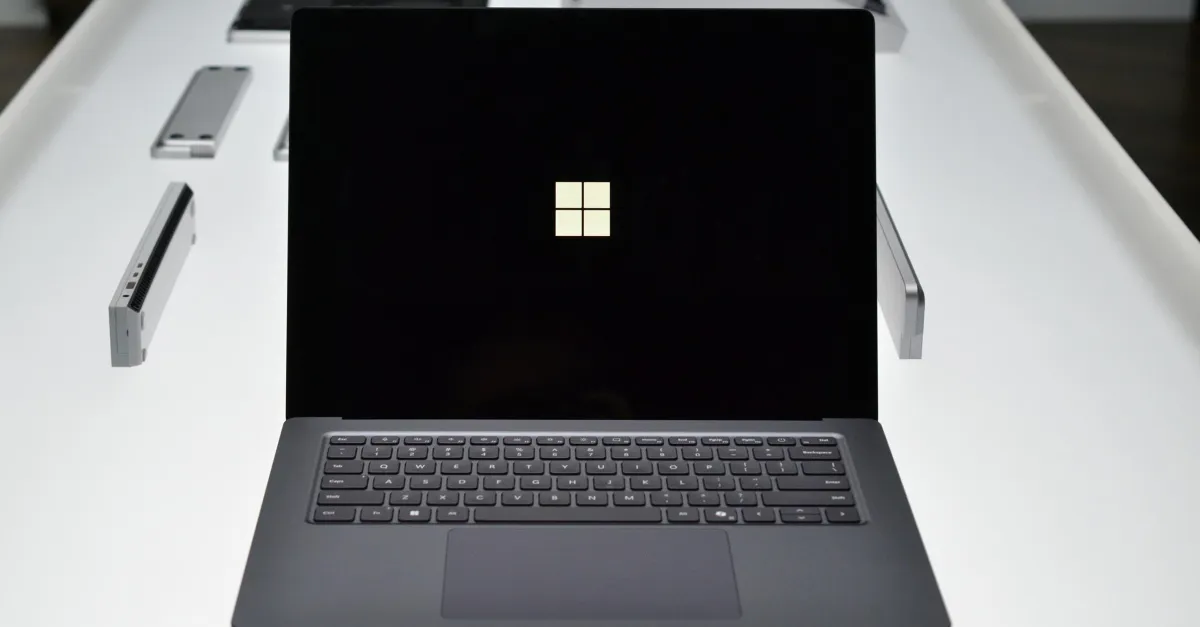
Microsoft has announced two new Surface devices, the Surface Laptop Ultra and the Surface RTX Spark Dev Box, both utilising Nvidia’s RTX Spark chips. The announcement positions Windows hardware as a direct competitor to Apple’s MacBook Pro for enthusiasts seeking to run foundation-level AI models locally. Both devices are scheduled for release later this year, with pricing details yet to be disclosed.
The Surface Laptop Ultra is a 15-inch clamshell laptop designed with a focus on performance, battery life, and display quality. It features a mini LED panel capable of up to 2,000 nits of HDR brightness, which Microsoft describes as the brightest display ever produced for a Surface device. The laptop also includes 128GB of unified memory and an enhanced trackpad with new haptic support in Windows 11, providing subtle feedback for user interface interactions.
Andrew Hill, corporate vice president of Surface product, stated that the design prioritised fundamental performance metrics over weight. Consequently, the device feels heavier than the 15-inch Surface Laptop 7. The laptop is cooled by two fans, with heat dissipation noted as warm but not uncomfortable during use. Microsoft has also improved repairability, with internal components arranged in a clearly marked black grid to facilitate maintenance.
Port configuration includes two USB-C ports and an HDMI port on the left, and a USB-C, USB-A, and full-sized SD card reader on the right. One USB-C port on the right is wider than the others, with Microsoft withholding specific details until the launch. The device lacks the traditional Surface Connect magnetic charging port, suggesting a potential shift in charging standards.
The Surface RTX Spark Dev Box is a miniature desktop PC aimed at developers, featuring an aluminium 3D-printed chassis and 1,000 air vents to represent its 1,000 teraflops of compute performance. It has a 100-watt thermal envelope, compared to up to 80 watts on the Laptop Ultra, allowing for sustained AI workloads and potentially better gaming performance via Nvidia’s DLSS technology.
Analysts suspect premium pricing for these devices due to recent increases in RAM costs, known as RAMageddon. Microsoft is marketing the Surface Laptop Ultra towards professionals, creators, and developers, focusing on local AI compute capabilities rather than the Copilot Plus PC branding. This approach allows users to run workloads locally without paying for cloud tokens.
