Microsoft unveils Project Solara OS for AI agent hardware at Build 2026
Microsoft has announced Project Solara, an operating system designed specifically for AI agent-driven hardware, positioning the company to compete with rivals including Google, Meta, and OpenAI in the emerging AI hardware market.
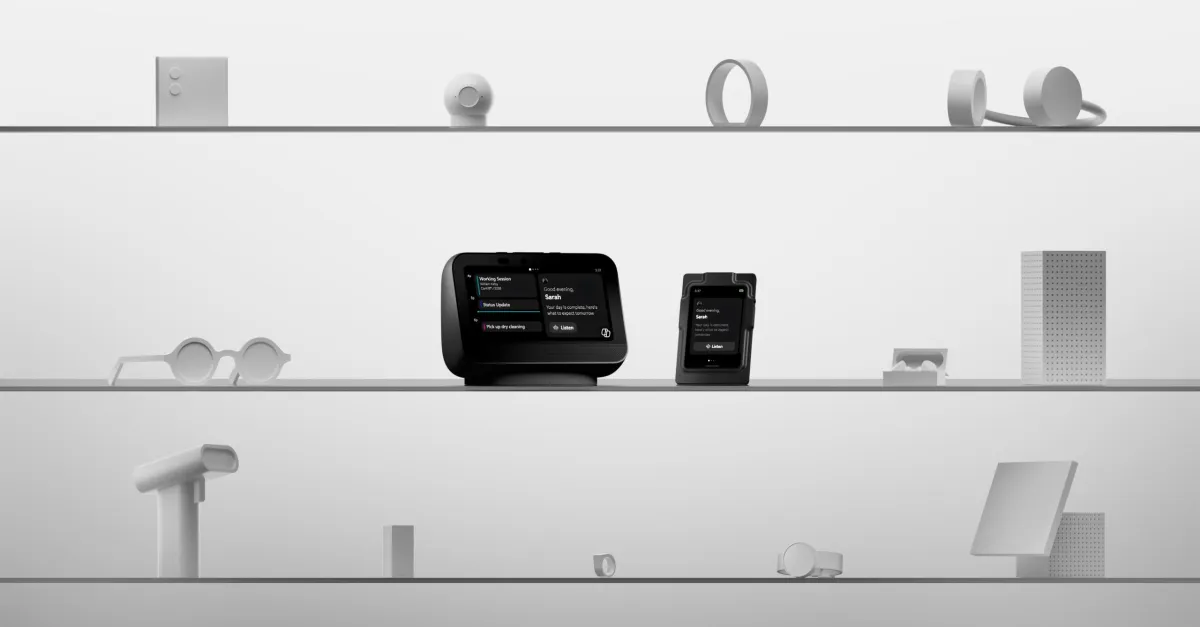
Microsoft has announced Project Solara, a new operating system designed for gadgets that run AI agents, at its Build 2026 conference. The platform is built on a version of Android known as the Microsoft Device Ecosystem Platform rather than Windows, a strategic choice to support smaller, lower-power devices while retaining enterprise-grade IT management and security features. Microsoft demonstrated two concept devices: a desk unit similar to an Amazon Echo Show with facial recognition, and a wearable badge with a camera and fingerprint scanner. These concepts are intended as reference designs for other hardware manufacturers, not products Microsoft plans to ship directly. Companies including AccuWeather, Best Buy, CVS Healthcare, and Target are planning pilot programs for the hardware.
Microsoft Fellow Steven Bathiche described the platform as "highly flexible" and designed for "agent-first devices." The desk concept unlocks via facial recognition and provides access to AI agents, while the badge concept can wake an AI agent with a single press of the fingerprint scanner. Demonstrated capabilities include tapping and recording a conversation for instant transcription, and using the badge’s camera to allow the agent to see what the user sees. Microsoft is entering the AI hardware category as the sector is expected to heat up, competing with rivals like Google, Meta, and OpenAI, which is partnering with Jony Ive.
The move follows Microsoft’s recent unveiling of the Surface RTX Spark Dev Box for sustained AI workloads, indicating a broader push into AI infrastructure and hardware. Privacy concerns regarding facial recognition remain a relevant issue in the sector, evidenced by ongoing class action lawsuits against Ring. The timeline for when pilot programs by AccuWeather, Best Buy, CVS Healthcare, and Target will result in consumer-ready products is not specified. The specific technical specifications of the "Microsoft Device Ecosystem Platform" beyond it being a version of Android are not detailed in the source. The extent to which other hardware manufacturers will adopt these reference designs remains to be seen.
