Microsoft unveils Project Solara AI agent platform at Build 2026
Reference designs for a smart display and key badge demonstrate how Microsoft 365 data could be accessed via voice and visual inputs on low-power devices.
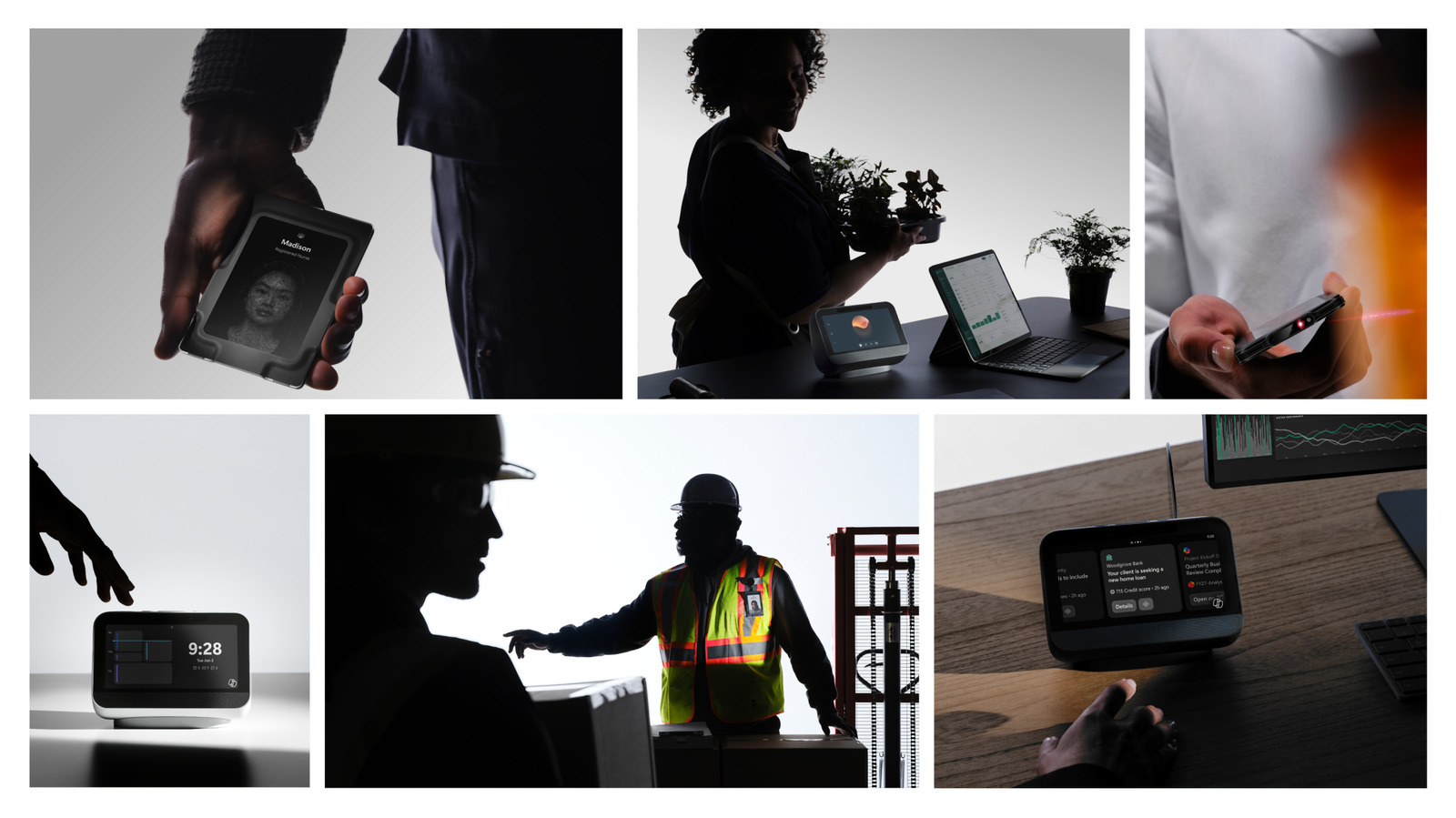
Microsoft has announced Project Solara, a new platform designed to power a wave of AI-first devices, during its Build 2026 conference. The company positioned the initiative as a strategic response to what it describes as the next major platform shift: the transition from traditional applications to autonomous AI agents. Project Solara aims to serve as the underlying infrastructure for this emerging class of hardware.
Rather than utilising its Windows operating system, Microsoft built Project Solara on a variant of Android known as the Microsoft Device Ecosystem Platform. This architectural choice was made to support smaller, lower-power devices while retaining enterprise-grade IT management and security capabilities. The platform is designed to integrate deeply with Microsoft 365 services, allowing devices to access data such as Outlook events and Excel information.
During the conference, Microsoft demonstrated the platform using two reference designs: a smart display and a smart key badge. The smart display, which resembles an Echo Show, features a screen that unlocks via facial recognition. It accepts voice input and, according to a concept video shown by the company, is theoretically capable of executing tasks on behalf of the user.
The second demonstration device was a smart key badge, offering similar functionality in a fully mobile format. This compact device includes a touchscreen and a camera, enabling users to input new kinds of information on the go. The badge can wake an AI agent with a single press of a fingerprint scanner, highlighting the platform’s focus on quick, biometric authentication for enterprise and personal use.
Microsoft Fellow Steven Bathiche described the architecture as "highly flexible" and explicitly designed for "agent-first devices." Demonstrated capabilities included tapping and recording a conversation for instant transcription, as well as leveraging the badge’s camera for visual data input. These features underscore Microsoft’s intent to create a seamless interface between physical hardware and cloud-based productivity tools.
Both devices presented at Build 2026 are currently classified as reference designs and concept devices. They serve as proof-of-concept models to illustrate the potential of the Project Solara platform rather than finished consumer products available for immediate purchase. The announcement signals Microsoft’s broader strategy to embed AI agents into everyday hardware, moving beyond screen-based interactions to more ambient and mobile computing experiences.