Microsoft retires Teams 'Together' mode to prioritise core video performance
The feature, introduced in 2020 to simulate shared workspaces, is being replaced by the standard Gallery view as Microsoft shifts resources toward foundational video improvements.
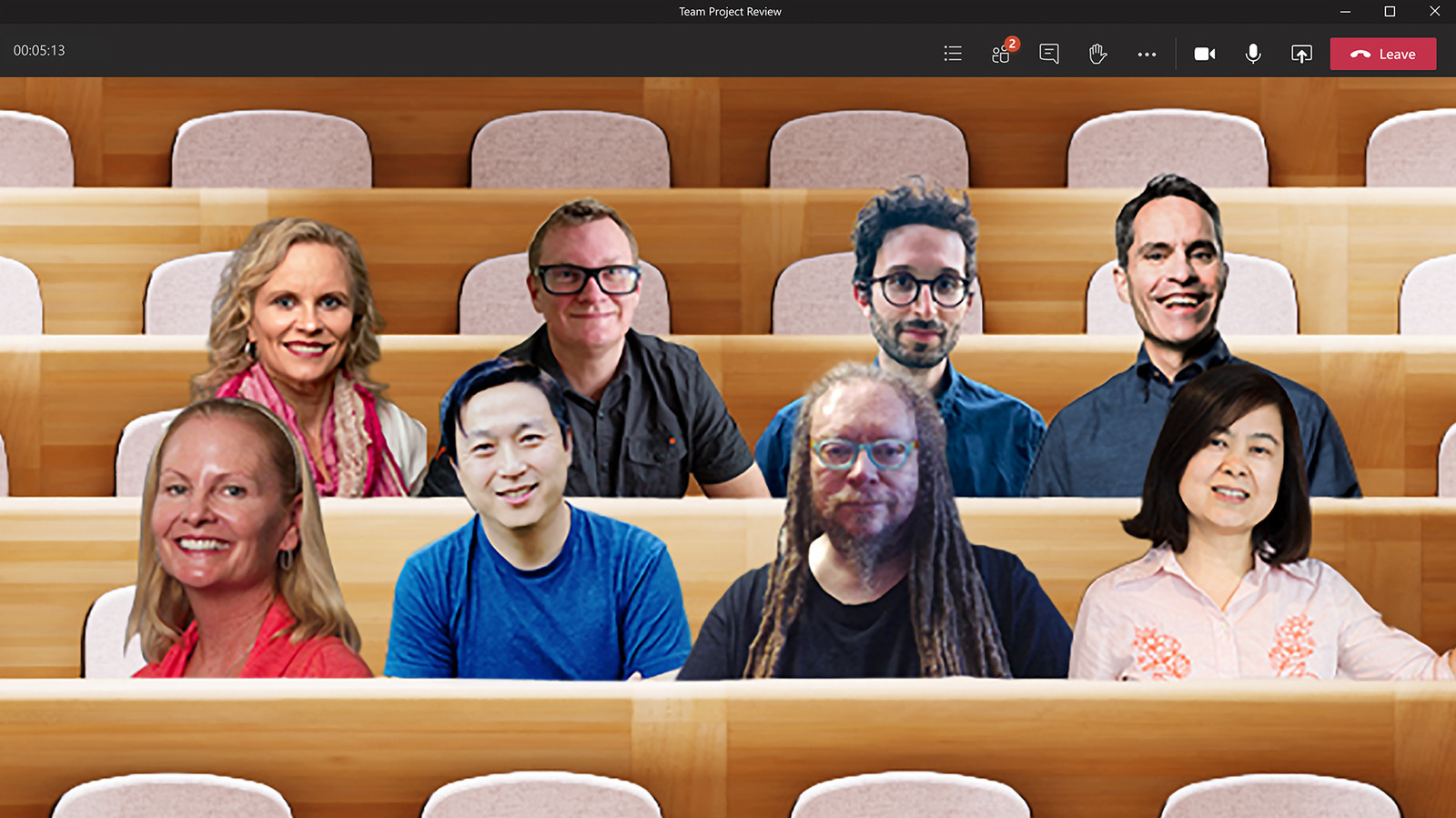
Microsoft has officially discontinued the 'Together' mode feature within its Teams video conferencing platform, marking a strategic pivot away from simulated co-presence tools. The company announced the decision via its Insider Blog, stating that the feature would be replaced by the standard Gallery view as the primary meeting interface. This move aims to streamline the user experience and reduce the technical overhead associated with maintaining a complex virtual environment.
The primary justification for the removal centres on increased implementation complexity and the cognitive load placed on users. Microsoft noted that the feature, originally launched in 2020 to help employees feel as though they were sharing a physical workspace during the pandemic, has become increasingly difficult to manage across platforms. The company argued that the mode contributes to a choppy video experience, particularly on mobile devices and other hardware described as having modest processing power.
By eliminating the resource-intensive demands of 'Together' mode, Microsoft intends to deliver smoother video performance on these lower-spec devices. The shift to Gallery mode allows for adaptive video tile counts, which prevents machine overload and ensures more stable connections. This technical adjustment is designed to simplify the meeting interface, addressing one of the longstanding grievances associated with the platform’s perceived complexity.
Resources previously allocated to maintaining the 'Together' feature will be redirected toward foundational video improvements. According to the company, these efforts will focus on enhancing super-resolution, denoising capabilities, and colour accuracy. These upgrades are intended to address broader performance issues that have contributed to widespread user dissatisfaction with Teams, which has frequently been criticised for its interface and stability.
The decision coincides with a broader cultural shift in the workplace, as many organisations have returned to office environments, reducing the reliance on virtual co-presence features. While the move aims to improve the core functionality of the platform, it remains to be seen whether these foundational improvements will be sufficient to reverse negative sentiment among users who have long cited performance and complexity as key barriers to adoption.
