Microsoft pivots to agentic AI at Build conference amid GitHub outages and Copilot concerns
As Microsoft integrates open-source agent OpenClaw into its ecosystem via Scout, the company faces scrutiny over GitHub reliability and slower-than-expected uptake of workplace AI products.
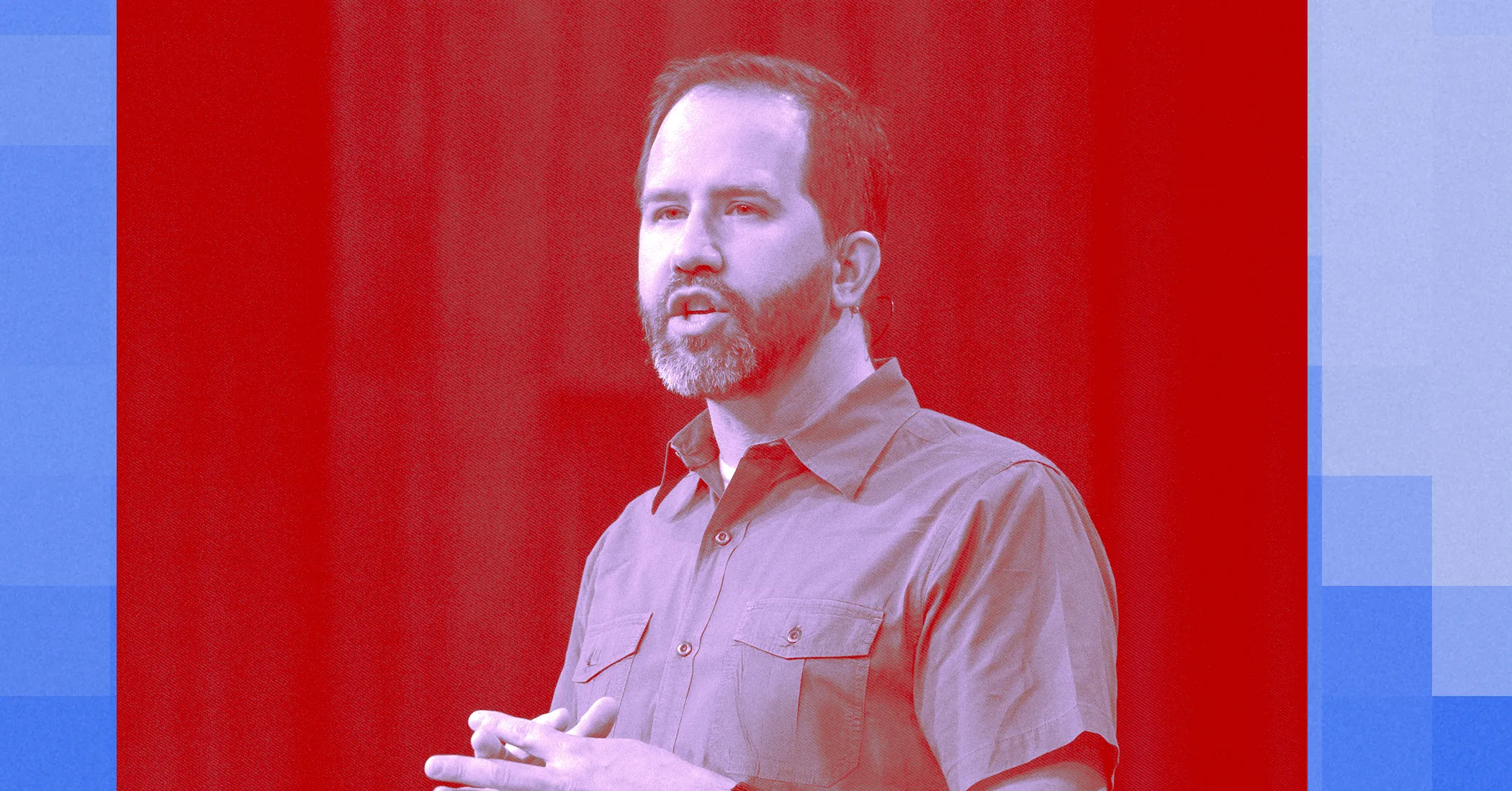
Microsoft CEO Satya Nadella opened the annual Build developer conference in San Francisco with a focus on agentic AI, unveiling new products including the Surface Laptop Ultra and a strategic push towards autonomous coding agents. The event highlighted the company’s integration of the open-source tool OpenClaw through a new product called Scout, a move facilitated by Microsoft VP Scott Hanselman. Despite the showcase of new developer tools, Microsoft is navigating significant headwinds, including disappointing commercial uptake of its Copilot workplace AI products and a decline in its stock performance relative to competitors.
The conference also served as a platform to address operational challenges, particularly recent and unprecedented downtimes at GitHub, Microsoft’s valuable code repository subsidiary. Hanselman attributed the service disruptions to high volumes of bot traffic rather than technical failure or complacency, noting that incoming usage now includes as many bots as human users. He defended the platform’s reliability, stating that GitHub remains operational 99 per cent of the time despite the immense pressure from automated traffic, describing the current issues as a temporary hiccup in a rapidly scaling environment.
Competition in the agentic coding space has intensified, with Anthropic gaining a lead through its Claude Code tool. In response to this competitive pressure, Microsoft recently ended licenses for Claude Code to encourage developers to adopt its own Copilot tools. Hanselman, who considered leaving the company after 18 years late last year to teach high school science, stated that the "agentic coding revolution" sparked by tools like Claude Code and OpenClaw convinced him to stay. He helped bring OpenClaw founder Peter Steinberger into the Microsoft process, viewing the integration as a natural evolution of open-source collaboration.
Hanselman demonstrated how Microsoft’s copilots could automate tasks for coders and consumers, advocating for a "trust but verify" approach to AI agents. He acknowledged that AI systems can make mistakes and hallucinate, suggesting users start with small tasks before granting broader access. He cited his own use of OpenClaw to monitor his blood sugar as a type 1 diabetic, arguing that while new technologies often face initial scepticism, they eventually become mainstream, drawing parallels to the early reception of the Walkman and power tools.
Despite Microsoft’s historical emphasis on developers, with former CEO Steve Ballmer famously championing the community, the company faces questions about its current momentum. Hanselman pushed back against the notion that Microsoft is in catch-up mode, describing the AI race as a "thumb war" where leadership shifts back and forth. He reminded attendees that Microsoft coined the term "Copilot," which has since become widely adopted across the industry, and expressed confidence that the new developer tools and hardware announcements would continue to attract users, including those from rival platforms.
