Microsoft Flight Simulator 2024 adds native PlayStation VR2 support with performance fixes
The update resolves critical bugs and introduces features such as independent HUD toggling and direct photo storage to the console's media gallery.
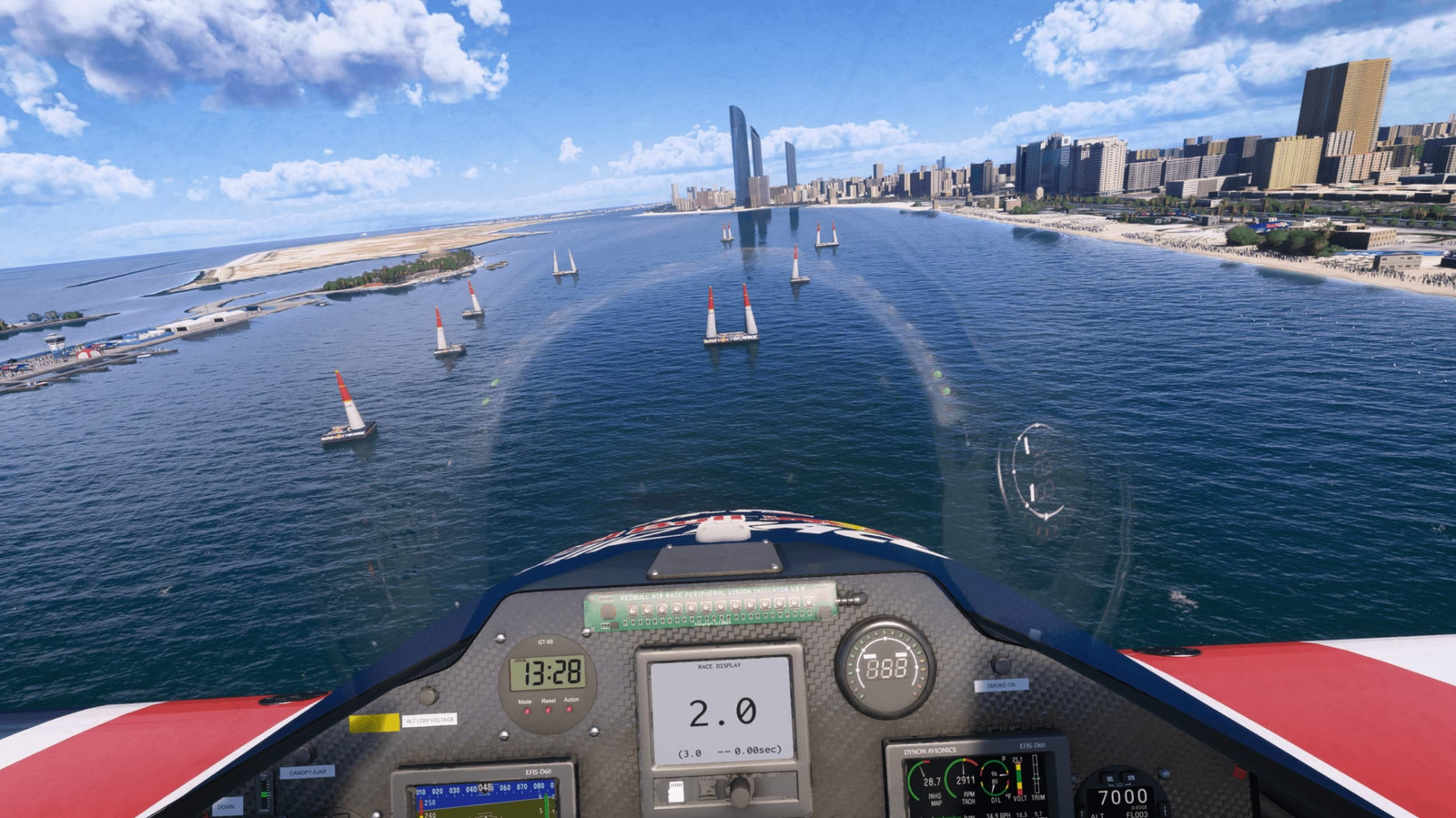
Microsoft Flight Simulator 2024 has received a significant software update from developer Asobo Studio, introducing native support for the PlayStation VR2 headset. This development marks the first time the title, which launched on PlayStation 5 in December without virtual reality capabilities, offers a fully immersive VR experience for console players.
The patch, released on Thursday, addresses performance issues that have been a concern since the game's cross-platform arrival. Asobo Studio reports that the update delivers reduced stuttering and improved frame rates, with specific gains noted in large cities and complex airport environments. The team had originally scheduled the release for all platforms last week but delayed the launch to address critical bugs before deployment.
Beyond the addition of VR functionality, the update introduces granular control over the user interface. Players can now switch off the heads-up display specifically in VR mode while retaining it in standard 2D gameplay. This flexibility allows users to customise their visual experience depending on whether they are flying in virtual reality or on the standard screen.
Storage management for in-game content has also been streamlined. Captured images now save directly to the PS5's media gallery rather than the game's internal storage. This change facilitates easier sharing of snaps taken of the simulator's myriad landscapes without requiring users to navigate through the application's file system.
For those interested in aviation development, the update includes a new weather radar API. This feature allows aircraft developers to integrate authentic weather radars with tilt functions, enhancing the realism of custom aircraft experiences within the simulation.
The patch also fully unlocks all career modes, including those involving heavy and Vertical Take-Off and Landing (VTOL) aircraft. Additional quality-of-life upgrades improve ground services logic, ensuring that ground crew functions such as baggage, fuel, and jetway operations continue correctly even if a specific service like catering is unavailable.
