Microsoft extends Xbox backward compatibility to Windows PCs with initial title rollout
The new program offers graphical enhancements and cross-platform access for Game Pass subscribers, though early testing reveals minor performance inconsistencies.
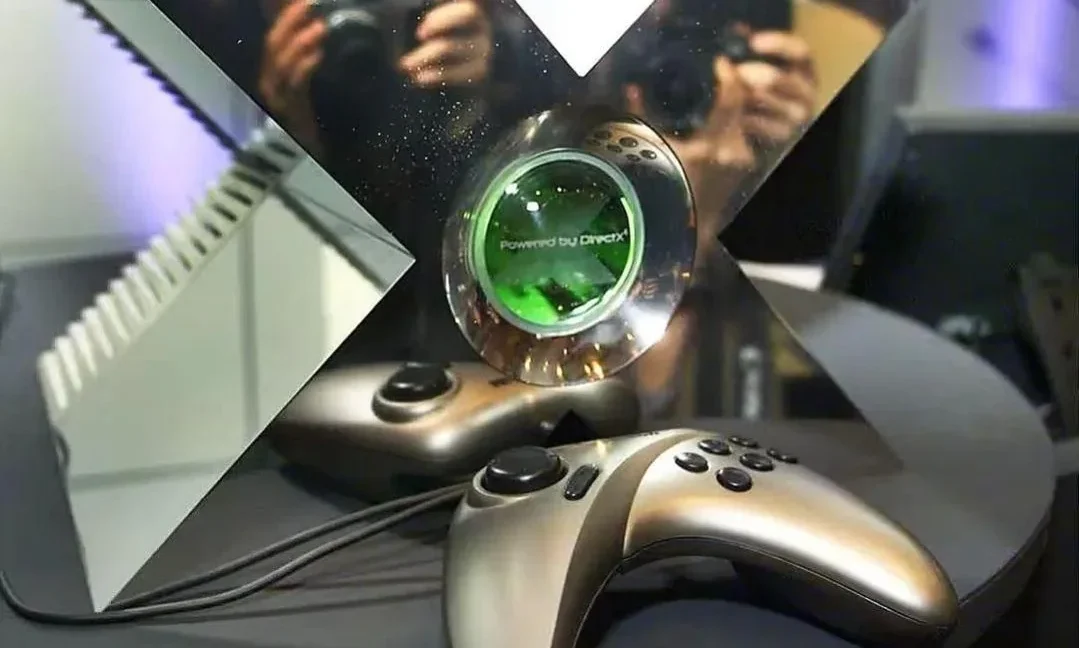
Microsoft has officially launched the "Xbox Backward Compatibility on PC" programme, marking the first time select original Xbox titles are available for purchase and play on Windows operating systems. This release expands the tech giant’s long-standing backward compatibility efforts, which have utilised software emulation across Xbox generations since the Xbox 360 era, into the broader PC ecosystem. The initiative signals a continued strategic effort to merge Microsoft’s console and Windows gaming divisions, following previous cross-platform moves such as the 2016 Xbox Play Anywhere system and the recent integration of Xbox branding on handheld PCs.
The initial launch features four specific titles: BLiNX: The Time Sweeper, Conker: Live and Reloaded, Crimson Skies: High Road to Revenge, and Fuzion Frenzy. Microsoft has priced these games at $10 USD for new purchases. However, access is free for users who already hold digital licenses for these titles on console or those with active Xbox Game Pass subscriptions. The company noted that physical discs from the original Xbox hardware will not function within this new PC environment.
Technical specifications for the emulation software include support for Vsync, anisotropic filtering, enhanced anti-aliasing, and resolution scaling up to 4x, allowing games to run at 2560×1920. Despite these graphical upgrades, the emulation maintains the original frame rates and aspect ratios of the source material, resulting in a 30 fps experience at a 4:3 ratio for most titles. Microsoft states that the games are playable on hardware dating back to the NVIDIA GTX 950, though a 2017-era GTX 1070 Ti with 8GB of VRAM is recommended for optimal performance.
Early evaluation by Digital Foundry suggests the PC experience is comparable to playing these titles on an Xbox Series X. However, testers identified specific technical shortcomings, including weak anisotropic filtering and frame timing issues that caused jerky camera motion. A handful of visual bugs were also reported across the initial wave of titles, indicating that while the underlying emulation technology is mature, the PC port requires further refinement.
From a business perspective, the rollout represents a significant step in blurring the lines between Microsoft’s hardware divisions. The company has indicated that this launch is merely the beginning of a broader effort to preserve and migrate past Xbox games to PC. This move aligns with the upcoming Project Helix, which aims to support both Xbox and PC games, further consolidating Microsoft’s gaming portfolio under a unified Windows-centric strategy.
